Balancing Gig Driving with Your Business
- -->> 1. Balancing Gig Driving with Your Business
What you'll learn
 Time Management StrategiesOptimizing Gig WorkFinancial IntegrationBurnout Prevention
Many entrepreneurs find themselves navigating the dual demands of building a small business or side hustle while also engaging in gig work, such as ride-sharing or delivery services. This dynamic often presents unique challenges, particularly when it comes to managing time effectively and avoiding the pitfalls of burnout. Integrating gig driving seamlessly into an already busy schedule requires strategic planning, disciplined execution, and a proactive approach to self-care. This article will explore practical strategies for balancing these roles, ensuring both your business and your personal well-being thrive.
Understanding the "Why" and Setting Clear Goals
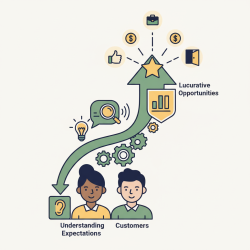
Before diving into the how-to, it’s crucial to establish your fundamental motivations. Why are you doing gig work in addition to your business? Is it for supplemental income, capital for expansion, debt repayment, or simply to fill downtime? Clearly defining your "why" provides a compass for your decisions.
Setting specific, measurable, achievable, relevant, and time-bound (SMART) goals for both your business and your gig work is equally important. For instance, instead of "make more money," set a goal like "earn an extra $500 from gig driving this month to invest in marketing for my business." This clarity helps prioritize and allocate your most valuable resource: time.
Time Management Techniques for Dual Roles
Effective time management is the cornerstone of successfully juggling multiple commitments. Without a structured approach, it’s easy for one area to bleed into another, leading to inefficiency and stress.
- Time Blocking: Dedicate specific blocks of time in your daily or weekly schedule solely to your business tasks, and separate blocks for your gig work. Treat these blocks as non-negotiable appointments. For example, Monday mornings are for business development, while Tuesday evenings are reserved for gig driving. This creates clear boundaries and focus.
- Batching Tasks: Group similar tasks together to maximize efficiency. When doing gig work, try to focus on a specific area or time of day that yields the best returns. For your business, handle all email responses at once, or dedicate a specific hour to content creation. This reduces context-switching costs.
Optimizing Your Gig Work Strategy
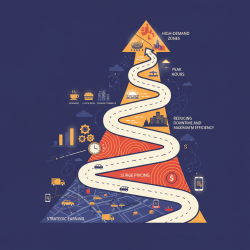
Gig work isn't always just about logging on; it's about smart logging on. Analyze your gig driving patterns. Are there specific days, times, or locations where demand is higher, or where you earn more per hour?
Leverage peak hours and surge pricing opportunities to make your gig time more productive. Consider combining gig work trips with necessary errands to save time and fuel. If your business requires you to be in certain areas, strategically plan your gig shifts around those locations.
Financial Management and Tax Considerations
Keeping your finances organized is paramount. Maintain separate accounts for your business and your personal funds, and ideally, for your gig income too, even if it's just a separate tracking system. This simplifies accounting and tax preparation.
Track all income and expenses meticulously for both ventures. Remember that as a gig worker and business owner, you are likely an independent contractor, responsible for self-employment taxes. Set aside a percentage of your gig earnings regularly to cover these tax obligations, preventing a large, unexpected bill. Consulting with a tax professional specializing in small businesses and independent contractors is highly recommended.
Prioritizing Self-Care and Preventing Burnout
The demanding nature of balancing multiple income streams can quickly lead to exhaustion and burnout. This is not sustainable in the long run and will negatively impact both your business and your gig performance.
Schedule regular breaks throughout your day, even short ones. Ensure you get adequate sleep, maintain a healthy diet, and incorporate physical activity into your routine. Learn to recognize the signs of fatigue and stress, and don't hesitate to take a complete day off from both ventures when needed. Your long-term success hinges on your ability to maintain your health and well-being.
Leveraging Technology and Automation
Technology can be a powerful ally in streamlining your operations. Utilize scheduling apps to manage your appointments and tasks for both your business and gig work. Project management tools can help you track business progress.
For gig work, use apps that provide insights into demand patterns or mileage tracking. Consider automation tools for repetitive business tasks, such as social media posting or email marketing, freeing up valuable time that can be dedicated to either your business growth or profitable gig shifts.
Conclusion
Successfully balancing gig work with an existing small business or side hustle is achievable through strategic planning and consistent execution. By understanding your motivations, setting clear goals, implementing effective time management techniques like time blocking and task batching, and optimizing your gig strategy, you can create a synergistic relationship between your income streams. Furthermore, diligent financial management, proactive tax planning, and a strong commitment to self-care are essential for preventing burnout and ensuring the long-term viability and growth of all your endeavors.
Comprehension questions
 What are the primary reasons an entrepreneur might engage in gig work alongside their small business?Name two specific time management techniques recommended for individuals balancing gig work and a business.How can an individual optimize their gig work strategy to better support their business schedule?Besides financial planning, what is a crucial aspect mentioned for preventing burnout in a demanding dual-income schedule?
Community Poll
Next Lesson

Course Contents : Maximizing Your Gig Economy Earnings
- >> 1.
 Balancing Gig Driving with Your Business