Mastering Route Optimization
- -->> 5. Mastering Route Optimization
What you'll learn
 Navigation Tool UtilizationTraffic Pattern AnalysisMulti-Stop Route PlanningOperational Efficiency
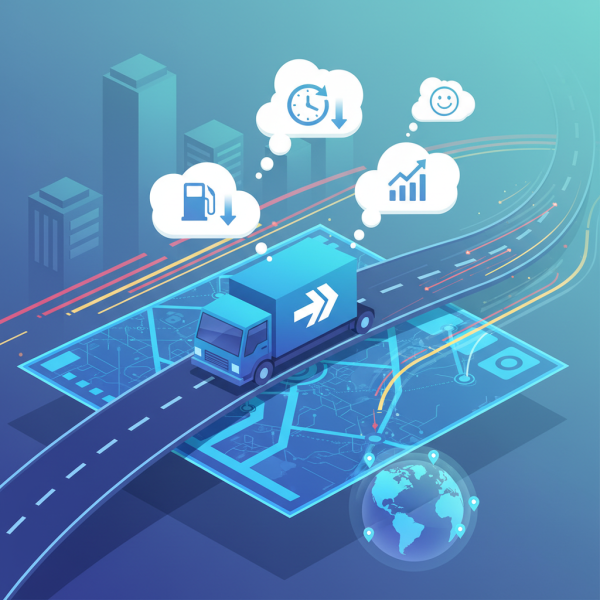
Whether you are a solo delivery driver, managing a fleet of vehicles, or simply trying to navigate your daily errands, mastering route optimization can significantly reduce travel time, lower fuel costs, enhance customer satisfaction, and ultimately maximize productivity. This article delves into the core principles of route optimization, exploring how to effectively utilize modern navigation tools, interpret dynamic traffic patterns, and strategically plan multi-stop routes to achieve peak operational efficiency.
The Foundation of Route Optimization
Route optimization is more than just finding the shortest path between two points. It is a sophisticated process that involves analyzing numerous variables to determine the most efficient sequence of stops and the best possible routes to navigate them. The primary objective is always to minimize the time spent on the road and reduce operational costs, while simultaneously maximizing the number of deliveries or rides completed within a given timeframe. This systematic approach transforms arbitrary travel into a highly calculated and strategic operation.
True efficiency in routing considers not only distance but also time, fuel consumption, driver availability, vehicle capacity, and crucial time windows for deliveries. By taking a holistic view, businesses and individuals can move beyond simple point-to-point navigation to a comprehensive strategy that yields significant advantages.
Leveraging Navigation Tools for Superior Efficiency
The advent of sophisticated navigation tools has revolutionized how we approach travel. Gone are the days of relying solely on static paper maps. Modern GPS applications and dedicated routing software provide an arsenal of features designed to enhance efficiency.
Popular consumer-grade tools like Google Maps, Waze, and Apple Maps offer real-time traffic updates, accident alerts, road closure notifications, and estimated arrival times based on current conditions. These tools are invaluable for single-destination trips or for quick ad-hoc route adjustments. Many even provide multiple route options, allowing users to choose between the fastest, shortest, or most fuel-efficient paths.
For professional use, specialized fleet management and delivery applications go a step further, integrating features like proof-of-delivery, customer communication tools, and advanced reporting. The key is to select a tool that aligns with your specific needs, leveraging its capabilities to react quickly to unforeseen circumstances and maintain optimal progress.
Understanding Dynamic Traffic Patterns
Traffic is perhaps the most unpredictable variable in route planning. While real-time data from navigation apps is crucial, a deeper understanding of traffic patterns can provide a significant advantage. This involves recognizing both predictable and unpredictable elements.
Predictable patterns include daily rush hours, school zones, and recurring construction projects. Knowing when and where these occur allows for proactive planning, such as scheduling routes to avoid peak congestion times or pre-determining alternative arteries. Unpredictable elements, such as sudden accidents, major road closures, or special events, require dynamic responsiveness.
Effective drivers and dispatchers learn to anticipate these patterns by observing historical data and staying informed through local news and traffic alerts. Predictive analytics, increasingly integrated into advanced routing software, uses historical data combined with real-time information to forecast traffic conditions, offering more reliable estimated travel times.
- Morning and evening rush hours: Typically 7-9 AM and 4-6 PM on weekdays.
- Weekend traffic: Often concentrated around retail areas, tourist attractions, or event venues.
- Seasonal variations: Holiday periods or school breaks can alter typical patterns.
- Weather conditions: Rain, snow, or fog significantly impact travel speeds and accident rates.
- Road construction: Ongoing projects can create persistent bottlenecks.
Planning Multi-Stop Routes Strategically
The complexity of route optimization escalates dramatically with multiple stops. Planning the most efficient sequence for numerous destinations is known as the Traveling Salesperson Problem (TSP), a classic computational challenge. Manually attempting to determine the optimal sequence for more than a handful of stops quickly becomes overwhelming and inefficient.
Dedicated multi-stop route planning software is essential for this task. These tools employ sophisticated algorithms to calculate the most efficient order of stops, considering factors like distance, time windows, delivery priorities, and even vehicle capacity. They can transform a seemingly random list of addresses into a logical, time-saving itinerary.
Beyond just sequencing, strategic multi-stop planning involves a deeper consideration of operational constraints and opportunities. For example, grouping stops geographically, prioritizing urgent deliveries, or planning routes to end near a depot or home base can further enhance efficiency.
- Geographic Clustering: Grouping nearby stops together to minimize backtracking.
- Time Windows: Adhering to specific delivery or pickup times for certain stops.
- Delivery Priority: Sequencing critical stops ahead of less urgent ones.
- Vehicle Capacity: Ensuring the total load fits within the vehicle's limits for the entire route.
- Driver Breaks: Incorporating mandated rest periods into the route plan.
- Route Flexibility: Building in buffer time for unexpected delays or last-minute additions.
Advanced Optimization Techniques
For organizations operating at a larger scale, advanced optimization techniques offer even greater efficiency gains. Dynamic re-routing, for instance, allows for real-time adjustments to a route in response to new orders, traffic changes, or customer cancellations, ensuring that drivers are always on the most optimal path.
Load balancing distributes tasks evenly among drivers or vehicles, preventing burnout and maximizing overall fleet utilization. Geofencing, which creates virtual boundaries, can trigger alerts when a vehicle enters or exits a specific area, providing valuable data for arrival predictions and operational oversight. These technologies continuously refine the routing process, pushing the boundaries of what's possible in logistical efficiency.
Summary
Route optimization is a critical discipline for enhancing efficiency across various sectors. By effectively utilizing advanced navigation tools for real-time insights, understanding and anticipating dynamic traffic patterns, and meticulously planning multi-stop routes with specialized software, individuals and businesses can significantly reduce travel times, cut costs, and boost overall productivity. Embracing these strategies moves beyond basic navigation to a strategic approach that is vital for competitive advantage and operational excellence in modern logistics and transportation.
Comprehension questions
 What are the primary objectives of route optimization beyond just finding the shortest path?How do modern navigation tools assist in route optimization, and what features do they offer?What are some predictable and unpredictable elements of traffic patterns that drivers or dispatchers should understand?Why is dedicated multi-stop route planning software essential for routes with numerous destinations, and what factors does it consider?
Review Quiz
Next Lesson
Course Contents : Maximizing Your Gig Economy Earnings
- >> 5.
 Mastering Route Optimization