Maximize Gig Economy Income with Data-Driven Decisions
- -->> 3. Maximize Gig Economy Income with Data-Driven Decisions
What you'll learn
 Surge Pricing StrategiesPeak Hour OptimizationHigh-Demand Zone IdentificationDowntime Reduction Techniques
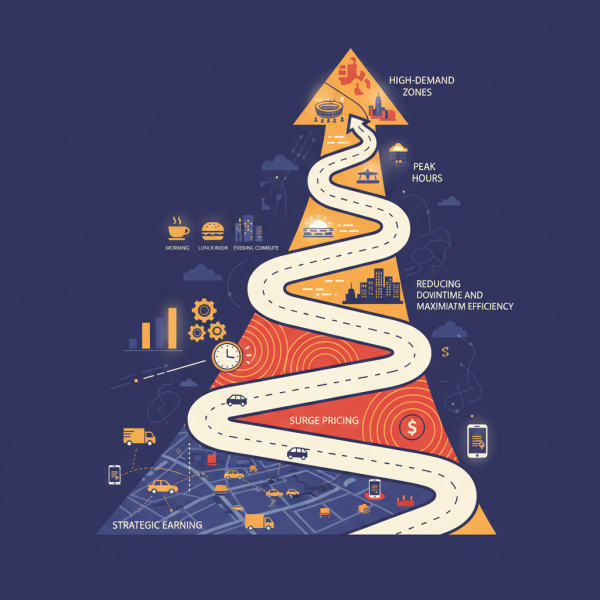
To truly thrive in todays gig economy, independent contractors must adopt a strategic mindset, transforming from passive participants into active architects of their income. This involves a calculated approach to understanding market dynamics, anticipating consumer behavior, and positioning oneself for optimal profitability. Strategic earning is about working smarter, not just harder, by leveraging data and insights to boost your hourly rate and significantly reduce unproductive downtime.
The Foundation of Strategic Earning
The core principle of strategic earning lies in recognizing that not all hours or locations are created equal. Demand fluctuates, influenced by a myriad of factors from time of day to special events, and these fluctuations directly impact pricing and availability of opportunities. A successful gig worker actively seeks to understand these patterns and adapt their work schedule and location accordingly, moving beyond a "hope for the best" approach to a "plan for the most lucrative" strategy.
This strategic shift requires a commitment to continuous learning and observation. It's about developing an intuitive understanding of your market while also relying on the data provided by platforms and your own experience. The goal is to maximize your earnings per hour worked and minimize the time spent waiting for opportunities, thereby enhancing overall efficiency and profitability.
Decoding Surge Pricing
Surge pricing is perhaps the most direct indicator of high demand in many gig economy platforms, particularly in ride-sharing and delivery services. It represents a dynamic adjustment of prices based on real-time supply and demand imbalances. When demand outweighs the available supply of workers, prices temporarily increase, creating significant earning opportunities for those in the right place at the right time.
However, understanding surge isn't just about chasing red zones on a map. There's a nuance to it. A "phantom surge" can occur where the map shows high pricing, but the actual volume of requests is low, leading to extended wait times. True strategic earning involves discerning genuine, high-volume surge from these less productive spikes.
To master surge pricing, consider these tips:
- Observe patterns: Notice when surge typically appears in certain areas. Is it after major events, during bad weather, or at specific rush hours?
- Anticipate events: Keep an eye on local calendars for concerts, sports games, festivals, or large conferences that will predictably drive demand.
- Position strategically: Instead of rushing into a surging area, position yourself on the outskirts or a high-traffic route leading into it. This allows you to catch requests as they emerge from the heart of the surge without getting stuck in potential traffic snarls.
- Evaluate opportunity cost: Sometimes, a steady stream of non-surge work in a busy area can be more profitable than long waits for high-paying surge trips in a less active zone.
Understanding Peak Hours
Beyond the immediate spikes of surge pricing, there are predictable peak hours that consistently offer higher demand and, often, better earning potential. These are the times when the most people are seeking services, whether it's commuting, ordering food, or running errands.
General peak hours often include:
- Morning Commute: Typically 6:00 AM - 9:00 AM, as people head to work or school.
- Lunch Rush: Usually 11:30 AM - 1:30 PM, for food delivery and quick errands.
- Evening Commute/Dinner Rush: Often 4:00 PM - 8:00 PM, a dual peak for rides home and dinner deliveries.
- Late Night/Weekend Entertainment: Friday and Saturday evenings, especially 9:00 PM - 2:00 AM, are strong for rides to and from social events.
However, peak hours are not monolithic. Localized factors can significantly alter these patterns. A university town might have different peaks during exam periods or semester breaks. A city hosting a major convention will see demand spikes around the convention center. Even weather conditions can create unexpected peaks, such as increased delivery orders during a rainstorm.
Successful strategic earners use historical data, real-time app insights, and an awareness of local events to fine-tune their schedule around these predictable and unpredictable demand surges. Adjusting your availability to align with these periods is a fundamental step towards maximizing your hourly income.
Identifying High-Demand Zones
Knowing where to be is as critical as knowing when to be there. High-demand zones are geographical areas that consistently generate a significant volume of service requests. These zones can be permanent fixtures or temporary hot spots influenced by specific events.
Common high-demand zones include:
- Central Business Districts: Office workers generating lunch orders and evening commutes.
- Major Entertainment Venues: Concert halls, stadiums, theaters, especially before and after events.
- Airports/Train Stations: Constant flow of travelers requiring transport.
- University Campuses: Students and faculty needing rides or deliveries.
- Dense Residential Areas: Especially during meal times or weekend activity.
- Shopping Malls/Retail Hubs: People needing rides home with purchases.
Many gig platforms offer in-app heatmaps or "hot spot" indicators. These tools are invaluable but should be used in conjunction with your own local knowledge. Understanding traffic patterns, common routes, and potential bottlenecks within these zones can give you an edge. For instance, being near a popular restaurant strip during dinner rush is beneficial, but knowing which specific street has easier parking or quicker pickup can make a difference.
Continuously scout your service area. Drive through different neighborhoods at varying times, observe foot traffic, and note the density of businesses or attractions. Over time, you'll develop an acute sense of where the opportunities are most likely to appear.
Reducing Downtime and Maximizing Efficiency
Optimizing your earnings isn't just about high-paying jobs; it's also about minimizing the time you spend without an active earning opportunity. This "downtime" or "deadhead" time directly eats into your effective hourly wage. Strategic earning actively seeks to reduce this.
- Strategic Positioning: After completing a job, instead of waiting in the same spot, move towards a known high-demand zone or a common route between such zones. Anticipate where the next request is likely to come from.
- Multi-Apping: For many gig workers, utilizing multiple platforms simultaneously can be a powerful strategy. When one app is slow, another might be busy, keeping you engaged and earning. However, manage this carefully to avoid service quality issues.
- Leveraging Data: Keep a mental or actual log of your most profitable times and locations. Review your earnings data to identify trends. Which days or hours consistently yield the best results? Where do you experience the least downtime?
- Route Optimization: Learn the most efficient routes to different parts of your service area, especially during peak traffic. This not only saves time but also fuel.
Every minute spent waiting for a job is a minute you're not earning. By strategically positioning yourself, understanding market flow, and leveraging all available tools, you transform waiting time into potential earning time, significantly improving your overall financial outcome.
Summary
Strategic earning is an essential framework for any gig economy worker aiming to maximize their income and efficiency. It moves beyond passive availability to an active, data-driven approach centered on three key pillars: mastering surge pricing dynamics, understanding predictable and localized peak hours, and precisely identifying high-demand zones. By combining observational skills with analytical insights, workers can proactively position themselves for higher-paying opportunities, minimize unproductive downtime, and ultimately cultivate a more profitable and sustainable gig career. Embracing these strategies empowers independent contractors to take control of their earning potential and thrive in a competitive market.
Comprehension questions
 What are the three core elements of strategic earning discussed in the article for gig economy workers?How can a gig worker differentiate between a genuine surge and a potential phantom surge when using ride-sharing or delivery apps?Beyond general commute times, what are some localized factors that can create specific peak hours for demand?What methods can gig workers use to identify high-demand zones and strategically position themselves for optimal earnings?
Community Poll
Next Lesson

Course Contents : Maximizing Your Gig Economy Earnings
- >> 3.
 Maximize Gig Economy Income with Data-Driven Decisions