
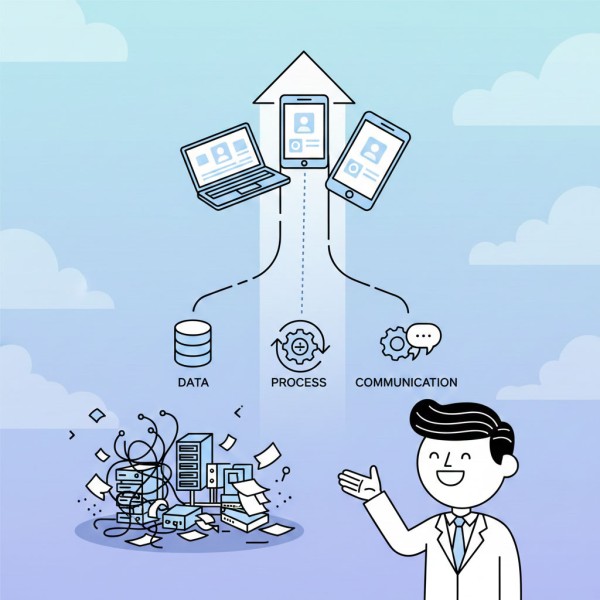
A Guide to the Minimalist Tech Stack and Streamlining Your Side Business
What you'll learn
 Streamlining OperationsEssential Tech ToolsFocus & EfficiencyScalable Growth
For anyone running a side business or a burgeoning small enterprise, the digital landscape can feel overwhelming. A plethora of tools promise to optimize every aspect of your operation, from marketing to finances. However, rather than empowering you, an excess of subscriptions and complex software can lead to decision fatigue, wasted time, and fractured attention. The key to keeping your side business running smoothly and staying focused on success often lies not in adding more, but in carefully curating a minimalist tech stack. This guide will help you identify the core technologies—CRM, project management, and cloud storage—that truly matter, ensuring your business thrives without unnecessary digital clutter.
The Power of Simplicity: Why Less Tech is More
Embracing a minimalist tech stack is about intentionality. It's about choosing powerful, yet simple, tools that address your most critical business needs without adding layers of complexity. For a side hustler or small business owner, time is a precious commodity. Every minute spent learning a new intricate system or juggling multiple platforms is a minute not spent serving customers, developing products, or strategizing growth. A lean tech stack reduces cognitive load, minimizes subscription costs, and enhances overall efficiency by keeping your essential operations streamlined and easily manageable.
Core Pillars of Your Minimalist Tech Stack
While various tools can be beneficial, three categories stand out as foundational for almost any side business:
- Customer Relationship Management (CRM): To organize and nurture your most valuable asset—your customers.
- Project Management: To keep track of tasks, deadlines, and workflow, ensuring nothing falls through the cracks.
- Cloud Storage: To secure and provide universal access to your critical business documents and files.
These three pillars form the backbone of an efficient operation, allowing you to manage relationships, execute tasks, and store data effectively. By focusing on these areas first, you establish a solid digital foundation before considering more specialized tools.
CRM: Nurturing Your Customer Relationships
A CRM system, even a very basic one, is indispensable. It's not just for sales teams; it's for anyone who interacts with clients or customers. For a side business, a CRM helps you:
- Keep track of client contact information.
- Monitor communication history (emails, calls, meetings).
- Manage leads and sales pipelines.
- Schedule follow-ups and reminders.
Simple CRM solutions are perfect for side businesses. Consider tools like HubSpot CRM Free, Zoho CRM, or even a well-organized Trello board or Google Sheet if your needs are extremely basic. The goal is a centralized place where you can quickly see who your customers are, what their needs are, and what interactions you’ve had. This prevents missed opportunities and ensures a personalized customer experience, which is vital for building loyalty and generating referrals.
Project Management: Keeping Tasks on Track
Even a one-person business has projects and tasks that need managing. Whether it's developing a new product, fulfilling orders, or creating marketing content, a reliable project management tool is crucial. It helps you to:
- Break down larger goals into manageable tasks.
- Set deadlines and priorities.
- Track progress and identify bottlenecks.
- Maintain clarity on what needs to be done next.
For a minimalist approach, popular choices include Asana, Trello, or Monday.com (which often have free or affordable tiers for small teams/individuals). These tools offer visual boards, task lists, and collaboration features that keep your workflow transparent and efficient. Choose one that resonates with your working style and doesn't introduce unnecessary complexity. The best tool is the one you will consistently use.
Cloud Storage: Your Digital Fortress
Your business generates documents, images, videos, and other digital assets. Secure and accessible cloud storage is non-negotiable. It protects your data from local hardware failures and allows you to access files from anywhere, on any device. Key benefits include:
- Data backup and disaster recovery.
- Easy file sharing and collaboration.
- Access to files on the go.
- Reduced reliance on physical hardware.
Ubiquitous options like Google Drive, Dropbox, or OneDrive offer generous free tiers and scalable paid plans. The key is to establish a consistent folder structure and commit to backing up all essential business files to your chosen cloud service. This ensures that your critical information is always safe, organized, and available when you need it, preventing costly downtime or loss of important work.
Integrating Your Minimalist Stack
While each tool serves a distinct purpose, their real power comes from how they complement each other. Your CRM informs your project management tasks (e.g., following up with a lead, delivering a client project), and both generate documents that need to be stored in your cloud solution. The integration isn't about complex API connections; it's about a logical flow of information and a consistent workflow across these essential platforms. For example, client-specific documents stored in your cloud can be linked directly from their entry in your CRM, or project deliverables can be uploaded to a shared cloud folder. This seamless transition between tools maximizes efficiency and minimizes information silos.
Beyond the Basics: When to Scale
The beauty of a minimalist tech stack is its scalability. As your side business grows, your needs will evolve. Resist the urge to add new tools simply because they exist. Instead, identify specific pain points or inefficiencies that your current stack cannot adequately address. Perhaps you need dedicated accounting software when invoicing becomes complex, or email marketing automation when your subscriber list expands significantly. When you do consider adding a new tool, ensure it integrates well with your existing minimalist setup and genuinely solves a problem, rather than just adding another layer of management.
Summary
Successfully running a side business doesn't require a sprawling collection of expensive software. By focusing on a minimalist tech stack comprising essential tools for CRM, project management, and cloud storage, owners can streamline operations, minimize distractions, and maintain critical focus. This intentional approach ensures that your valuable time is spent on growing your business and serving your customers, rather than managing an overly complex digital infrastructure, ultimately fostering sustained success and efficiency.
Comprehension questions
 What are the three core pillars of a minimalist tech stack recommended for side businesses?How does a simple CRM system benefit a side business beyond just sales functions?Why is cloud storage considered a non-negotiable component for side businesses?When should a side business owner consider scaling beyond the initial minimalist tech stack?