Operations and Workflow Efficiency
- -->> 7. Operations and Workflow Efficiency
What you'll learn
 Workspace OptimizationProduction Process StreamliningDelivery Logistics EnhancementTechnology-Driven Efficiency
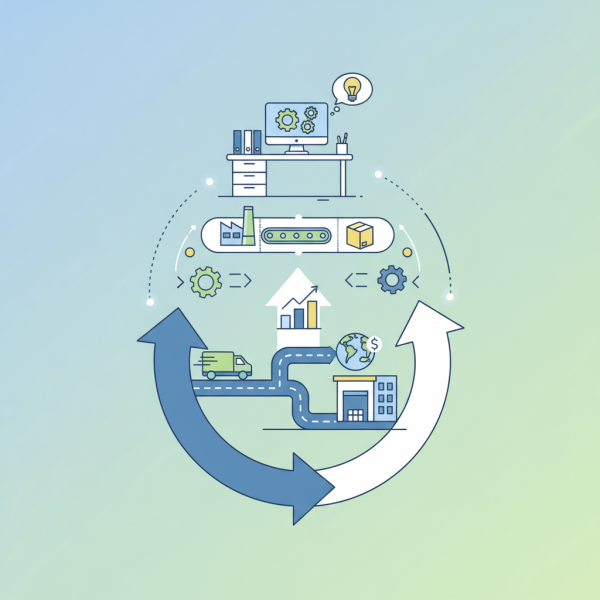
Businesses across all sectors are continually seeking ways to do more with less, deliver value faster, and maintain a competitive edge. At the heart of this pursuit lies the critical concept of operations and workflow efficiency, a holistic approach that demands meticulous attention to how tasks are performed, resources are utilized, and value is delivered from inception to consumption. Optimizing your workspace, refining production processes, and enhancing delivery logistics are interconnected pillars that collectively contribute to a streamlined, highly productive, and resilient operational framework. Embracing this mindset allows organizations to unlock significant potential, reduce waste, improve customer satisfaction, and foster a culture of continuous improvement, ultimately driving greater profitability and market leadership.
The Foundation: Workspace Optimization
An often-underestimated aspect of efficiency is the physical and digital environment in which work takes place. A well-organized workspace directly influences focus, morale, and productivity. This goes beyond just tidiness; it involves thoughtful arrangement and design.
Consider the ergonomics of workstations. Ensuring comfortable seating, proper monitor height, and adequate lighting can significantly reduce physical strain, leading to fewer breaks and increased concentration. An organized physical space means frequently used tools and documents are readily accessible, minimizing time spent searching.
Equally important is digital workspace optimization. Cluttered desktops, disorganized file structures, and overflowing inboxes can be as detrimental as physical mess. Implementing clear naming conventions, utilizing cloud storage solutions, and regularly archiving old files frees up mental bandwidth and reduces search times.
Think about the flow of work within the physical space. Departments that collaborate frequently should be situated near each other to facilitate communication. Shared resources, like printers or meeting rooms, should be strategically placed for easy access without disrupting quiet work zones.
Streamlining Production Processes
At the core of operational efficiency is the constant refinement of production processes. This involves a systematic review of how products are made or services are delivered, identifying areas for improvement, and implementing changes that reduce waste and increase output.
A crucial first step is process mapping. Visualizing each step of a workflow, from start to finish, helps uncover redundancies, unnecessary delays, and potential bottlenecks. Once identified, these inefficiencies can be targeted for elimination or modification.
Automation plays a significant role here. Repetitive, manual tasks are prime candidates for automation, freeing human resources to focus on more complex, value-adding activities. This could range from robotic process automation (RPA) in administrative tasks to automated machinery in manufacturing.
Standard Operating Procedures (SOPs) are indispensable. Documenting the most efficient way to perform a task ensures consistency, reduces errors, and speeds up onboarding for new employees. SOPs provide a clear roadmap, minimizing guesswork and variations in output.
Key strategies for process streamlining include:
- Conducting regular process audits to identify bottlenecks and non-value-added steps.
- Implementing lean principles to eliminate waste in all forms (overproduction, waiting, unnecessary transport, over-processing, excess inventory, unnecessary movement, defects).
- Empowering frontline employees to suggest and implement process improvements, leveraging their direct experience.
- Utilizing project management methodologies (e.g., Agile, Scrum) to break down large processes into manageable, iterative cycles.
Enhancing Delivery Logistics
Even the most efficient production line can be undermined by poor delivery logistics. Getting the right product or service to the right place at the right time, cost-effectively, is paramount for customer satisfaction and overall business success.
Supply chain visibility is critical. Knowing the real-time status and location of goods allows for proactive problem-solving and better planning. This includes tracking raw materials, work-in-progress, and finished goods.
Route optimization software has revolutionized transportation logistics. By analyzing traffic patterns, delivery schedules, and vehicle capacities, businesses can calculate the most efficient routes, reducing fuel consumption, delivery times, and labor costs. This is particularly vital for companies with large fleets.
Effective inventory management prevents both stockouts and overstocking. Holding too much inventory ties up capital and incurs storage costs, while too little can lead to missed sales and customer dissatisfaction. Just-In-Time (JIT) strategies, when appropriate, can significantly reduce inventory overhead.
Last-mile delivery, the final leg of the journey to the customer, often represents the highest cost and greatest challenge. Innovations like drone delivery, localized distribution centers, and crowd-sourced delivery models are emerging to address these complexities. Focusing on efficient packaging and load consolidation also contributes to better logistics.
Benefits of optimized delivery logistics:
- Reduced transportation costs through efficient routing and load planning.
- Improved customer satisfaction due to faster and more reliable deliveries.
- Lower inventory holding costs and reduced risk of obsolescence.
- Enhanced supply chain resilience and responsiveness to market changes.
- Reduced environmental impact through optimized routes and fewer empty runs.
The Role of Technology and Continuous Improvement
Technology is a powerful enabler of efficiency. Enterprise Resource Planning (ERP) systems integrate various business functions, providing a unified view of operations. Customer Relationship Management (CRM) tools streamline sales and service workflows. Project management software centralizes task tracking and collaboration.
Data analytics offers invaluable insights. By collecting and analyzing operational data, businesses can identify trends, forecast demands, and make data-driven decisions about process improvements, resource allocation, and market strategy. Predictive analytics can even anticipate potential issues before they arise.
Efficiency is not a one-time project but a continuous journey. Establishing feedback loops, conducting regular performance reviews, and fostering a culture where employees are encouraged to identify and propose improvements are crucial. Agile methodologies, initially popular in software development, are now being applied across various business functions to promote iterative improvement and adaptability.
Investing in employee training and skill development ensures that the workforce is equipped to utilize new tools and processes effectively. A knowledgeable and empowered team is far more likely to embrace and drive efficiency initiatives.
Summary
Achieving operations and workflow efficiency is fundamental for modern businesses aiming for sustainable success. This article explored key strategies across workspace optimization, emphasizing ergonomic design and digital organization, and streamlining production processes through mapping, automation, and standardized procedures. We also delved into enhancing delivery logistics via supply chain visibility, route optimization, and effective inventory management. Finally, the critical role of technology, data analytics, and a commitment to continuous improvement was highlighted as essential drivers for maintaining a competitive edge and fostering a highly productive environment. By systematically addressing these interconnected areas, organizations can significantly boost productivity, reduce costs, and elevate customer satisfaction.
Comprehension questions
 What are the three interconnected pillars that contribute to a streamlined operational framework, as discussed in the introduction?Beyond physical tidiness, what other aspect is crucial for digital workspace optimization?What key strategies are mentioned for streamlining production processes to eliminate waste?How does route optimization software contribute to enhancing delivery logistics?
Review Quiz
Next Lesson

Course Contents : Running a Flower Arrangement and Floral Business
- >> 7.
 Operations and Workflow Efficiency