Mastering Individual, Event, and Subscription Models
- -->> 4. Mastering Individual, Event, and Subscription Models
What you'll learn
 Cost Analysis and Value PricingIndividual Service PricingEvent Service PricingSubscription Model Pricing
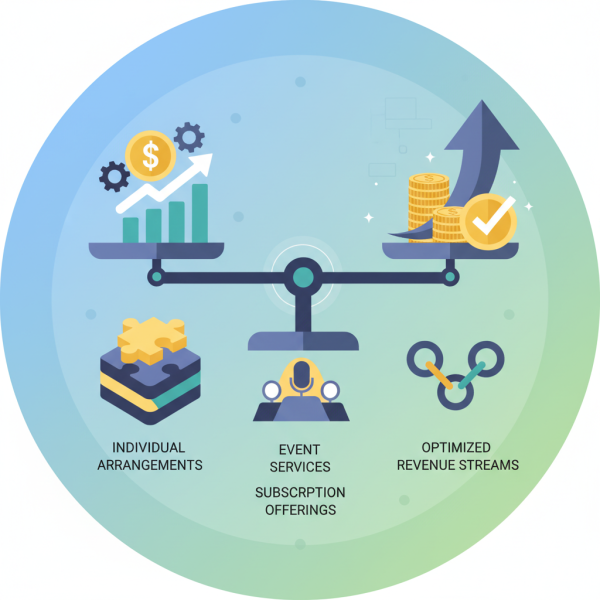
Pricing is far more than just assigning a number to your products or services; it is a critical lever for achieving and maintaining sustainable profitability. Effective pricing strategies are the backbone of any successful enterprise, influencing everything from market position and customer perception to cash flow and long-term viability. This article delves into mastering pricing for various business models, specifically focusing on individual arrangements, event services, and subscription offerings, providing actionable insights to optimize your revenue streams and secure healthy profit margins.
The Foundation of Profitable Pricing
Before diving into specific models, it is essential to establish a robust foundation for your pricing philosophy. This involves understanding your costs thoroughly, recognizing the value you provide, and knowing your target market inside out. A common mistake is to price solely based on competitors or perceived market rates without a clear internal cost analysis.
Your pricing strategy should reflect both your direct and indirect costs. Direct costs include labor, materials, and any expenses directly attributable to delivering the service or product. Indirect costs encompass overheads like rent, utilities, marketing, and administrative salaries. Failing to account for all costs will inevitably erode your profit margins.
Value-based pricing, on the other hand, centers on the perceived benefits and unique advantages your offerings provide to customers. If your service solves a significant problem, saves time, or generates substantial returns for the client, its value is inherently higher, justifying a premium price. Communicating this value effectively is as important as determining it.
Pricing for Individual Arrangements
Individual arrangements often involve customized services, consulting, or project-based work where each client's needs might differ significantly. Here, a flexible yet structured approach is key to ensuring profitability.
- Hourly vs. Project-Based: For tasks with unpredictable scope, hourly rates might seem appealing, but they can be difficult to scale and may disincentivize efficiency. Project-based or fixed-fee pricing provides transparency and predictability for clients, while allowing you to price based on the total value delivered, not just the time spent.
- Tiered Service Levels: Offer different packages (e.g., basic, standard, premium) with varying levels of service or features. This caters to diverse client budgets and needs, allowing clients to self-select a price point that aligns with their desired outcomes and your profit goals.
- Value-Based Custom Quotes: For highly bespoke projects, conduct a thorough discovery process to understand the client's specific challenges and desired outcomes. Price based on the tangible results or return on investment you expect to deliver, rather than simply the inputs.
- Upselling and Cross-selling Opportunities: Identify complementary services or add-ons that can enhance the client's experience and increase the overall deal value. Present these options clearly, demonstrating their additional benefits.
Pricing for Event Services
Event services, ranging from small gatherings to large conferences, present unique pricing challenges due to their often one-off nature and complex logistical requirements. Profitability here hinges on meticulous planning and clear scope definition.
- Modular Pricing: Break down your event services into distinct, itemized components (venue rental, catering, AV equipment, decor, staffing, planning fees). This transparency helps clients understand where their money is going and allows them to customize their package. It also helps you track costs accurately.
- Package Deals: While modular pricing offers flexibility, pre-defined packages can streamline the sales process for common event types. Create a few attractive packages that bundle popular services at a slightly discounted rate compared to purchasing everything individually, encouraging larger bookings.
- Seasonal and Demand-Based Adjustments: Recognize peak seasons or high-demand dates when you can command higher prices due to scarcity. Conversely, offer incentives or lower rates during off-peak times to stimulate business and utilize resources efficiently.
- Inclusive Pricing vs. Add-ons: Decide what is included in your base price and what will be an additional charge. Be clear about this upfront to avoid client surprises and ensure you're compensated for all services rendered. For example, is basic setup included, or is complex decor an extra fee?
Pricing for Subscriptions
Subscription models are lauded for their recurring revenue potential, but setting the right price is crucial for long-term customer retention and profitability. The goal is to maximize customer lifetime value.
Tiered Subscriptions: This is a cornerstone of subscription pricing. Offer multiple tiers with escalating features, usage limits, or support levels. For software, this might mean different storage capacities or user accounts. For content, it could be access to premium articles or exclusive webinars. Each tier should clearly demonstrate increased value to justify its higher price point.
Freemium Models: A freemium strategy offers a basic version of your service for free to attract a wide user base, with premium features requiring a paid subscription. The challenge is balancing what's free to encourage adoption without giving away too much, thereby cannibalizing potential paid users. Conversion rates are critical here.
Usage-Based Pricing: Some subscriptions benefit from pricing tied directly to consumption (e.g., per-user, per-transaction, per-GB of data). This model can be attractive to customers because they only pay for what they use, but it requires robust tracking and transparent billing to maintain trust.
Annual vs. Monthly Billing: Offer discounts for annual commitments. This improves cash flow, reduces churn, and secures revenue for a longer period. While monthly billing offers flexibility, the slight price increase for that flexibility often justifies it for customers who prefer lower upfront costs.
Retention-Focused Pricing: Consider loyalty discounts or incentives for long-term subscribers. Price increases should be handled carefully, often phased in or justified by significant new feature releases, to avoid alienating existing customers.
Ongoing Optimization and Review
Pricing is not a static decision; it requires continuous monitoring and adjustment. Regularly review your pricing strategies against market conditions, competitor actions, and your own cost structures. Gather customer feedback on pricing, conduct A/B testing where possible, and analyze key metrics like customer acquisition cost, customer lifetime value, and churn rates.
Understanding the elasticity of demand for your services is also vital. How sensitive are your customers to price changes? A slight increase might not impact demand significantly for a highly valued service, while a similar increase for a commodity service could lead to substantial customer loss. Data-driven decisions are paramount.
Summary
Mastering pricing for profitability requires a strategic blend of cost analysis, value assessment, and market understanding across various business models. For individual arrangements, focus on value-based custom quotes and tiered services. Event services benefit from modular and package pricing adapted to demand. Subscription models thrive on tiered offerings, freemium strategies, and incentives for long-term commitment. Continuous review and optimization, guided by data and customer feedback, are essential to ensure pricing remains competitive, fair, and most importantly, profitable, securing the long-term sustainability of your business.
Comprehension questions
 Why is understanding both direct and indirect costs crucial before setting prices for any service?What are two distinct pricing approaches suitable for individual arrangements, and when might you use each?How can businesses offering event services use modular pricing and package deals to enhance profitability?Describe the core principles of tiered subscriptions and freemium models, and discuss their role in long-term customer retention.
Review Quiz
Next Lesson

Course Contents : Running a Flower Arrangement and Floral Business
- >> 4.
 Mastering Individual, Event, and Subscription Models