Optimizing Floral Sourcing for Freshness and Profitability
- -->> 2. Optimizing Floral Sourcing for Freshness and Profitability
What you'll learn
 Supplier Relationship ManagementInventory Control StrategiesSustainable Sourcing PracticesLogistics and Cold Chain
Understanding Your Needs and Market
Before engaging with any supplier, a clear understanding of your business's specific needs and market demands is paramount. This involves detailed demand forecasting, which considers seasonal trends, upcoming holidays, special events, and your regular customer base. Accurate forecasting prevents overstocking of perishable items and ensures you have sufficient inventory for peak periods.
Defining precise quality standards for your flowers and foliage is equally important. Whether you prioritize specific bloom sizes, stem lengths, vase life, or organic certifications, these criteria will guide your supplier selection. Budgetary constraints also play a significant role, necessitating a balance between desired quality and cost-effectiveness.
Supplier Identification and Evaluation
Identifying reliable suppliers is the cornerstone of a successful floral supply chain. Options range from local growers who can provide unique, seasonal varieties with a smaller carbon footprint, to large international wholesalers offering a vast selection year-round. Direct relationships with growers can often lead to better pricing and custom orders, while wholesalers provide convenience and a one-stop shop for diverse needs.
When evaluating potential suppliers, consider the following key factors:
- Reliability and Consistency: Can they consistently meet your order volumes and delivery schedules?
- Product Quality: Do their products consistently meet your specified quality standards? Request samples and conduct thorough inspections.
- Pricing Structure: Understand their pricing models, potential for bulk discounts, and payment terms.
- Communication and Responsiveness: A good supplier maintains open lines of communication and is responsive to inquiries or issues.
- Sustainability and Ethical Practices: Investigate their environmental impact, labor practices, and any relevant certifications.
- Logistics Capabilities: Assess their ability to deliver products efficiently and maintain cold chain integrity.
Building strong, long-term relationships with chosen suppliers is invaluable. Transparent communication, prompt payments, and mutual respect foster trust and can lead to preferred access to products, better terms, and collaborative problem-solving.
Procurement Strategies
Different procurement strategies can be employed based on your business model and product needs. Spot buying, or purchasing as needed, offers flexibility but can be more expensive and less reliable for consistent supply. Contract purchasing, on the other hand, involves long-term agreements for specific quantities at agreed-upon prices, providing stability and often better rates, especially for staple items.
Consolidation of orders from multiple suppliers into fewer, larger shipments can reduce transportation costs and simplify logistics. Leveraging technology, such as online marketplaces or specialized procurement software, can streamline the ordering process, track purchases, and provide valuable data analytics on supplier performance.
Inventory Control and Management
Effective inventory control is critical, especially given the highly perishable nature of fresh flowers and foliage. The goal is to minimize waste while ensuring product availability. Implementing a First-In, First-Out (FIFO) system is essential to ensure older stock is used before newer deliveries, reducing spoilage.
Proper storage conditions are non-negotiable. This includes maintaining optimal temperatures and humidity levels in refrigeration units, processing flowers upon arrival, and using appropriate floral preservatives. Regular inventory audits help identify discrepancies, track spoilage rates, and inform future purchasing decisions.
Software solutions, from simple spreadsheets to sophisticated inventory management systems, can aid in tracking stock levels, predicting demand, and automating reorder points. This proactive approach significantly reduces waste and improves cash flow by preventing unnecessary inventory holding costs.
Logistics and Transportation
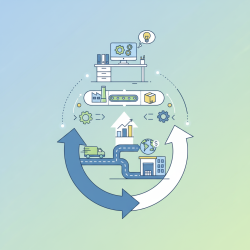
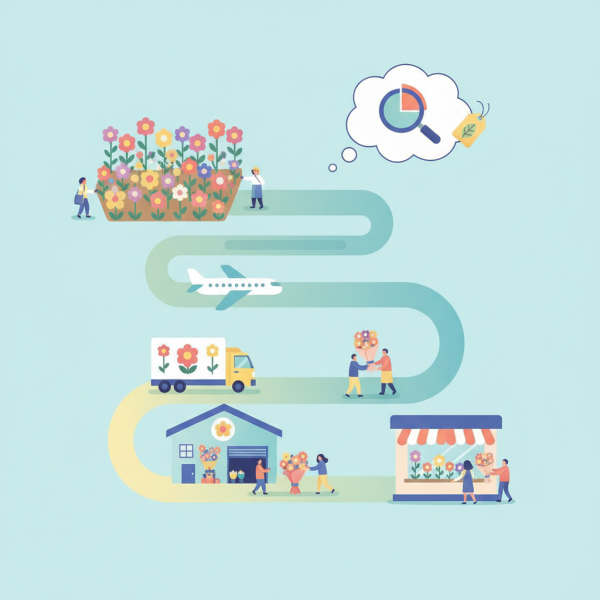
The journey from farm to florist is often complex and requires careful logistical planning. Maintaining the cold chain is paramount to preserving the freshness and vase life of flowers. This means temperature-controlled transportation from the moment flowers are harvested until they reach your storage facilities.
Establishing clear delivery schedules with suppliers and understanding their transportation routes helps in planning your receiving and processing operations. Mitigating risks associated with transportation, such as delays, damage during transit, or customs issues for international shipments, is vital. Having contingency plans and reliable communication channels with logistics providers are key.
Sustainability and Ethical Sourcing
Beyond quality and cost, sustainability and ethical practices are increasingly important considerations for modern floral businesses and their customers. Sourcing flowers that are grown with minimal environmental impact, using water-efficient methods, and reducing pesticide use can enhance your brand's reputation.
Ethical sourcing also extends to fair labor practices, ensuring that workers involved in the cultivation and handling of flowers receive fair wages and work in safe conditions. Look for certifications such as Fair Trade, Rainforest Alliance, or Veriflora, which validate a supplier's commitment to these principles. Integrating these practices into your supply chain not only benefits the planet and people but also resonates positively with environmentally and socially conscious consumers.
Summary
Successful sourcing and supply chain management in the floral industry hinge on a multi-faceted approach. It begins with a deep understanding of market demands and quality needs, followed by careful selection and nurturing of supplier relationships. Implementing strategic procurement methods, robust inventory controls, and efficient logistics are crucial for maintaining product freshness and minimizing waste. Finally, embracing sustainability and ethical sourcing practices elevates the business, ensuring long-term viability and customer loyalty. By meticulously managing each stage of the supply chain, floral businesses can thrive, delivering beautiful, high-quality products consistently and profitably.
Comprehension questions
 What are the key factors to consider when identifying and evaluating potential suppliers in the floral industry?Why is implementing a First-In, First-Out (FIFO) system essential for inventory control of fresh flowers and foliage?How can technology aid in streamlining procurement processes and improving inventory management for floral businesses?What role do sustainability and ethical practices play in modern floral sourcing, and what certifications might indicate a supplier's commitment?
Review Quiz
Next Lesson

Course Contents : Running a Flower Arrangement and Floral Business
- >> 2.
 Optimizing Floral Sourcing for Freshness and Profitability