Regulatory Considerations for Your Floral Business
- -->> 11. Regulatory Considerations for Your Floral Business
What you'll learn
 Business Entity SelectionLicensing and RegulationsRisk Management and InsuranceIntellectual Property Protection
Embarking on the journey of establishing a floral enterprise is an exciting venture filled with creativity and passion. While the allure of beautiful blossoms often takes center stage, overlooking the foundational legal and regulatory aspects can lead to significant challenges down the line. A robust understanding and proactive approach to compliance are not merely bureaucratic hurdles; they are critical components for building a sustainable, legitimate, and successful business. From the moment you conceive your business idea, navigating the landscape of business registration, securing necessary permits, obtaining appropriate insurance, and safeguarding your intellectual property becomes paramount. This comprehensive guide aims to demystify these essential legal considerations, ensuring your floral business blooms on a solid legal foundation.
Establishing Your Business Entity and Registration
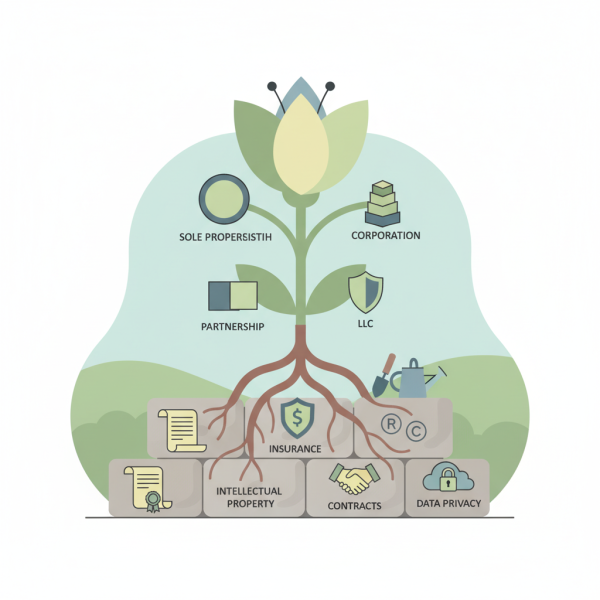
The first critical legal decision for any aspiring floral entrepreneur involves choosing the appropriate business structure. This choice impacts everything from personal liability to taxation and administrative requirements. Understanding the options is key to making an informed decision.
- Sole Proprietorship: This is the simplest structure, where the business is owned and run by one individual. It offers ease of setup but provides no personal liability protection, meaning your personal assets are at risk for business debts and obligations.
- Partnership: Ideal for two or more owners, partnerships share profits, losses, and liabilities. Like sole proprietorships, general partnerships offer limited personal asset protection. Limited partnerships (LPs) and limited liability partnerships (LLPs) offer some liability protection for certain partners.
- Limited Liability Company (LLC): An LLC combines the liability protection of a corporation with the pass-through taxation of a sole proprietorship or partnership. It's a popular choice for small businesses due to its flexibility and balance of protection and simplicity.
- Corporation (C-Corp or S-Corp): Corporations are more complex to establish and maintain but offer the strongest personal liability protection for owners. They are separate legal entities, and their profits are taxed independently, sometimes leading to double taxation for C-Corps. S-Corps avoid double taxation by passing profits directly to owners' personal income.
Once your business structure is determined, you will need to register your business with the appropriate state and local authorities. This often involves filing articles of organization for an LLC or articles of incorporation for a corporation. If you operate under a name different from your legal personal name or registered business name, you may need to file a "Doing Business As" (DBA) or fictitious name statement. Additionally, securing an Employer Identification Number (EIN) from the IRS is essential, even if you don't plan to hire employees immediately, as it's often required for opening a business bank account and for tax filings.
Navigating Permits and Licenses
Operating a floral business requires adherence to various permits and licenses, which can vary significantly depending on your location and the scope of your operations. It’s crucial to research and obtain all necessary authorizations before commencing business activities.
- General Business License: Most cities and counties require a general business license to operate legally within their jurisdiction. This permit signifies that you are registered with the local government and are authorized to conduct business.
- Zoning and Occupancy Permits: If you plan to operate from a physical storefront or a home-based studio, you must ensure your chosen location complies with local zoning ordinances. A certificate of occupancy may be required, confirming the building meets safety codes for its intended use. Home-based businesses often have specific restrictions regarding signage, customer traffic, and employee numbers.
- Sales Tax Permit: As a retail business, you will be responsible for collecting and remitting sales tax on your floral arrangements and other goods. You must register with your state's revenue department to obtain a sales tax permit or seller's permit, which allows you to legally collect sales tax from customers.
- Specialized Permits: Depending on your specific offerings, you might need additional permits. For instance, if you import flowers internationally, phytosanitary certificates may be required to prevent the spread of pests and diseases. If you plan to sell any food items alongside flowers (e.g., chocolates, gourmet baskets), you will likely need health department permits.
Failing to secure the proper permits and licenses can result in fines, operational shutdowns, and damage to your business reputation. Regularly review local, state, and federal regulations, as requirements can change.
Essential Business Insurance Coverage
Insurance is a vital safety net that protects your floral business from unforeseen events, liabilities, and financial losses. Investing in the right coverage is not an option but a necessity for long-term stability.
- General Liability Insurance: Often called "slip and fall" insurance, this policy protects your business from claims of bodily injury or property damage that occur on your premises or as a result of your operations. For example, if a customer trips over a display and is injured, this insurance would cover medical costs and legal fees.
- Commercial Property Insurance: This covers your physical assets, including your storefront, equipment, inventory of flowers and supplies, and furnishings, against perils like fire, theft, vandalism, and certain natural disasters.
- Workers' Compensation Insurance: If you have employees, workers' compensation is legally mandated in most states. It provides wage replacement and medical benefits to employees injured in the course of employment in exchange for relinquishing the employee's right to sue the employer for negligence.
- Product Liability Insurance: While primarily selling perishable goods, if your business also sells vases, decorative items, candles, or other non-floral products, product liability insurance can protect against claims of injury or damage caused by a defective product you sell.
- Business Interruption Insurance: This coverage can help replace lost income and cover operating expenses if your business is forced to temporarily close due to a covered event, such as a fire or natural disaster.
- Commercial Auto Insurance: If your business uses vehicles for deliveries or other business purposes, commercial auto insurance is crucial to cover accidents involving these vehicles.
Consult with a reputable insurance broker specializing in small business coverage to assess your specific risks and tailor an insurance portfolio that adequately protects your floral enterprise.
Safeguarding Intellectual Property
Your floral business is built on creativity, and protecting its unique elements is crucial. Intellectual property (IP) refers to creations of the mind, and for a floral business, this includes your brand identity and unique designs.
- Trademarks: Your business name, logo, slogan, and specific product names are vital elements of your brand. Registering these as trademarks with the U.S. Patent and Trademark Office (USPTO) provides exclusive rights to use them in connection with your goods and services, preventing others from using similar marks that could confuse customers. Conduct thorough trademark searches before adopting a name or logo.
- Copyrights: Original artistic and literary works are protected by copyright. For a floral business, this could include unique floral arrangement designs (as photographs or detailed sketches), website content, marketing materials, and original photography. While copyright protection exists automatically upon creation, registering your copyrights with the U.S. Copyright Office provides stronger legal recourse in case of infringement.
Be vigilant about protecting your own IP and respectful of others'. Avoid using copyrighted music without a license, or images and designs you don't have permission to use. Implementing non-disclosure agreements with designers or photographers can also safeguard proprietary information.
Compliance with Employment Laws
As your floral business grows and you consider hiring staff, understanding employment laws becomes critical. Compliance ensures fair treatment of employees and protects your business from legal disputes.
Key areas include proper classification of workers (employee vs. independent contractor), adherence to minimum wage and overtime laws, non-discrimination practices in hiring and firing, and providing a safe working environment. Developing clear employment contracts and an employee handbook can establish expectations and outline policies, minimizing misunderstandings and potential legal issues.
Contracts and Agreements
Formalizing your business relationships through contracts and agreements is a cornerstone of legal protection. Whether it’s with suppliers, event clients, or landlords, clear written agreements prevent disputes and define responsibilities.
For large events like weddings, detailed client contracts outlining services, payment schedules, cancellation policies, and delivery specifics are indispensable. Similarly, robust supplier agreements ensure consistent quality, pricing, and delivery terms for your floral inventory. Never underestimate the importance of a well-drafted contract.
Data Privacy and Security
In the digital age, protecting customer data is not just good practice but a legal obligation. If your floral business collects customer information (names, addresses, payment details) for orders, marketing, or online transactions, you must ensure its security.
This includes adhering to data protection regulations like GDPR if you serve European customers, or state-specific privacy laws. For online payments, compliance with Payment Card Industry Data Security Standards (PCI DSS) is crucial to protect sensitive credit card information. Implement secure payment gateways and clearly communicate your privacy policy to customers.
Summary
Navigating the legal and regulatory landscape is an indispensable aspect of establishing and growing a thriving floral enterprise. From selecting the appropriate business entity and meticulously obtaining all necessary permits and licenses to securing comprehensive insurance coverage and diligently protecting your intellectual property, each step forms a vital layer of protection for your venture. Proactive attention to these legal considerations not only ensures compliance but also fosters a professional reputation, mitigates risks, and lays a robust foundation for enduring success in the vibrant floral industry.
Comprehension questions
 What are the key differences between a Sole Proprietorship and an LLC, and why might an LLC be a popular choice for small businesses?List three types of permits or licenses a floral business might need to obtain, and explain the purpose of each.Why is it crucial for a floral business to invest in general liability and commercial property insurance?How can a floral business protect its intellectual property, specifically its brand name/logo and unique floral designs?
Review Quiz
Next Lesson

Course Contents : Running a Flower Arrangement and Floral Business
- >> 11.
 Regulatory Considerations for Your Floral Business