Mastering Repeat Business with Automated Communication
- -->> 11. Mastering Repeat Business with Automated Communication
What you'll learn
 Proactive Customer EngagementAutomated Follow-Up StrategiesEmail and Text MarketingCustomer Retention for Services
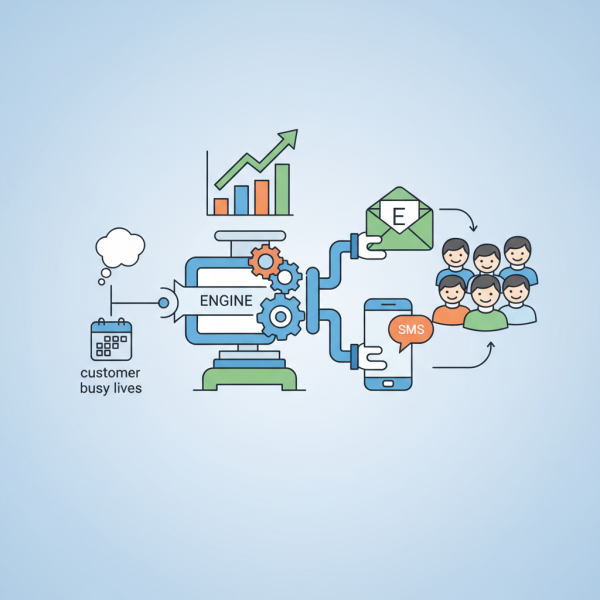
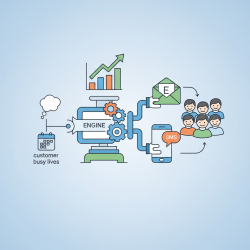
Simply providing an excellent service is often not enough to secure consistent repeat business. Customers have busy lives and many options. The key to staying top-of-mind and ensuring clients return for their next service need lies in proactive and consistent communication. This is where "The Follow-Up Engine" comes into play: leveraging simple email and text automation to cultivate lasting relationships and drive repeat engagements effortlessly.
The Power of Proactive Engagement
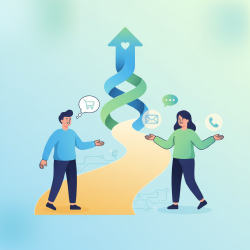
Many businesses operate on a reactive model, waiting for customers to initiate contact when a service is needed again. However, a proactive approach can significantly transform your business trajectory. By anticipating future needs and gently reminding customers, you position yourself as a helpful partner rather than just a vendor. This strategy not only increases the likelihood of repeat business but also strengthens customer loyalty.
Think about services with regular cycles: annual HVAC maintenance, semi-annual dental check-ups, quarterly pest control, or even seasonal car detailing. Customers often forget the precise timing or simply put off scheduling. A well-timed, automated reminder can be the nudge they need, making their lives easier and ensuring your services remain indispensable.
Why Automation Matters
Manual follow-ups are time-consuming, prone to inconsistency, and can quickly become unmanageable as your client base grows. Automation solves these challenges by providing a scalable, efficient, and reliable system for staying in touch. It allows you to deliver personalized messages at the optimal time without requiring constant manual effort.
The beauty of automation is its ability to ensure no customer falls through the cracks. Every client who has engaged with your service can be entered into a structured follow-up sequence designed to re-engage them at the right moment. This consistency builds trust and reinforces your brand's commitment to customer care.
Building Your Follow-Up Engine
Constructing an effective follow-up engine requires a clear strategy. Start by identifying the natural service cycles within your business. How often do clients typically need your service again? Once you understand these patterns, you can design your automated sequences.
Consider segmenting your customer base based on the services they received or their last interaction date. This allows for more targeted and relevant messaging, which significantly increases engagement rates. Generic messages are less effective than those tailored to a customer's specific needs or previous service history.
Email Automation Strategies
Email remains a powerful tool for automated follow-ups due to its versatility and capacity for detailed information. Here are some effective strategies:
- Service Reminders: Automated emails sent X days or weeks before a typical repeat service interval (e.g., "It's been 6 months since your last dental cleaning, time for a check-up!").
- Educational Content: Share tips, best practices, or seasonal advice related to your service to demonstrate ongoing value and expertise.
- Special Offers for Repeat Clients: Provide exclusive discounts or perks to encourage immediate scheduling and reward loyalty.
- Post-Service Follow-Ups: A quick email checking in after a service, asking for feedback, and subtly reminding them of future needs.
- Holiday or Seasonal Greetings: Simple messages that keep your brand visible and top-of-mind without a direct sales pitch.
Text Message Automation Best Practices
Text messages offer immediacy and high open rates, making them ideal for concise, urgent, or time-sensitive communications. However, they must be used judiciously to avoid annoyance.
- Appointment Confirmations & Reminders: Essential for reducing no-shows and ensuring clients are prepared.
- "It's Time" Nudges: Short, direct reminders for recurring services (e.g., "Hi [Client Name], time to schedule your annual HVAC tune-up! Reply YES to book.").
- Quick Updates: Brief notifications about service status, upcoming specials, or changes that require immediate attention.
- Feedback Requests: A simple text asking for a quick review after service completion, optionally linking to a review platform.
Key Benefits of a Robust Follow-Up Engine
Implementing an automated follow-up system yields numerous advantages for your business:
- Increased Repeat Business: Proactive reminders directly translate into more returning customers.
- Enhanced Customer Loyalty: Consistent, helpful communication builds stronger relationships and trust.
- Higher Customer Lifetime Value (CLV): Loyal customers who return frequently contribute more revenue over time.
- Reduced Customer Churn: Staying in touch prevents customers from forgetting about your service or drifting to competitors.
- Predictable Revenue Streams: A steady flow of repeat business helps stabilize and forecast income.
- Operational Efficiency: Free up staff time that would otherwise be spent on manual outreach.
Implementing Your System
Getting started doesn't have to be complicated. Begin with one or two simple automation sequences. Many CRM systems, email marketing platforms, and specialized text messaging services offer robust automation features. Focus on clarity, value, and a clear call to action in all your communications. Test your messages, analyze open and click-through rates, and continually refine your approach based on what resonates best with your audience.
Personalization is crucial. Even automated messages feel more genuine when they include the customer's name and reference their past interactions. Avoid sending too many messages, as this can lead to opt-outs. The goal is to be helpful and present, not intrusive.
Summary
In summary, implementing a follow-up engine using simple email and text automation is a strategic imperative for any service-based business aiming for sustained growth and customer loyalty. By moving from a reactive to a proactive communication model, businesses can effectively stay top-of-mind, ensure consistent repeat service needs are met, and build stronger, more profitable customer relationships. This approach not only streamlines operations but also significantly enhances the customer experience, leading to greater long-term success and a more resilient business model.
Comprehension questions
 What is the primary benefit of a proactive approach to customer engagement for service businesses?Why is automation crucial for effective follow-up systems compared to manual methods?Name two different types of email automation strategies discussed in the article.According to the article, what are two key benefits of implementing a robust follow-up engine?
Community Poll
Next Lesson
Course Contents : Small Scale Marketing for Local Service Businesses
- >> 11.
 Mastering Repeat Business with Automated Communication