Mastering Social Media Targeting for Local Reach
- -->> 7. Mastering Social Media Targeting for Local Reach
What you'll learn
 Geographic Targeting StrategiesInterest-Based Audience SegmentationEffective Local Ad CreativeCampaign Measurement and Optimization
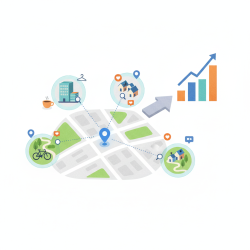
In today's competitive digital landscape, businesses are constantly seeking innovative ways to connect with their ideal customers. While broad advertising campaigns can reach a vast audience, they often lack the precision needed for local enterprises or those with specific niche markets. This is where hyper-local digital advertising shines, offering a powerful strategy to pinpoint and engage customers within a defined geographic area or based on shared interests. By mastering basic social media targeting tools, businesses of all sizes can transform their digital presence into a highly effective local magnet, ensuring their marketing budget is spent reaching the most relevant potential clients right in their backyard.
The Power of Hyper-Local Targeting
Hyper-local targeting moves beyond general demographic segmentation to focus on incredibly precise geographical boundaries. Imagine a small coffee shop wanting to attract morning commuters or a boutique specializing in vintage clothing aiming for enthusiasts in a specific neighborhood. Traditional advertising often casts too wide a net, but hyper-local ads allow for surgical precision. This approach minimizes wasted ad spend by ensuring your message is seen by people who are physically close to your business or demonstrably interested in what you offer, leading to higher conversion rates and a stronger return on investment.
The effectiveness of hyper-local strategies stems from their ability to foster immediate action. When a potential customer sees an ad for a local service or product, the barrier to engagement is significantly lower. Proximity and direct relevance drive urgency and convenience, making it more likely that they will visit a store, make a call, or explore an online offer.
Understanding Social Media Platforms for Hyper-Local Ads
Social media platforms like Facebook and Instagram are indispensable tools for hyper-local advertising. Their robust targeting capabilities allow advertisers to define audiences with remarkable accuracy. These platforms collect vast amounts of user data, including location information, interests, behaviors, and demographics, which can all be leveraged to create highly segmented ad campaigns. The user interfaces for ad creation are generally intuitive, making advanced targeting accessible even for those new to digital marketing.
Beyond basic targeting, these platforms also offer features like custom audiences and lookalike audiences, which can further refine your reach. For hyper-local efforts, the primary focus will be on their geographic and interest-based segmentation options, allowing businesses to draw virtual fences around their desired customer base.
Mastering Geographic Targeting
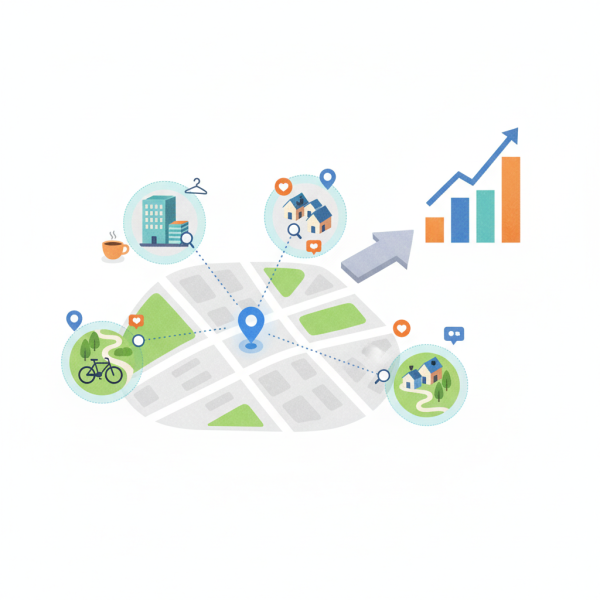
Geographic targeting is the cornerstone of hyper-local advertising. Social media platforms provide several ways to define your target area:
- Zip Code Targeting: This is a straightforward method to reach everyone within one or more specific postal codes. It's ideal for businesses serving a clearly defined residential or commercial zone.
- Radius Targeting: Advertisers can set a radius (e.g., 1 to 50 miles) around a specific address, such as their storefront. This is excellent for brick-and-mortar businesses that rely on foot traffic or local service areas.
- City/Town/Neighborhood Targeting: For broader local reach, you can target entire cities, towns, or even specific neighborhoods within a larger metropolitan area. This is useful for events or services covering a slightly larger local footprint.
- Dropped Pin: Some platforms allow you to drop a pin on a map and define a precise, custom-shaped boundary around it, offering even greater control than a simple radius.
When selecting your geographic parameters, consider your business's physical accessibility and the typical travel distance your customers are willing to undertake. A restaurant might target a 1-5 mile radius, while a specialized consultant might target multiple adjacent zip codes.
Leveraging Interest-Based Targeting for Local Customers
While geographic targeting defines "where" your customers are, interest-based targeting defines "who" they are and "what they care about." Combining these two creates a powerful synergy. For instance, a local bike shop could target people living within a 10-mile radius who have expressed interest in "cycling," "mountain biking," or "outdoor sports."
To effectively use interest-based targeting, think like your ideal customer. What other pages do they follow? What hobbies do they have? What products or services are they already engaging with online? Social media platforms provide a vast array of predefined interests, behaviors, and demographics to choose from. Experiment with different combinations to see which groups respond best to your ads. Remember that highly specific interests, when combined with a tight geographic focus, often yield the best results for hyper-local campaigns.
Crafting Compelling Ad Creative for Local Audiences
The best targeting in the world won't work without compelling ad creative. For hyper-local ads, relevance is paramount. Your ad copy and visuals should immediately resonate with the local audience you're trying to reach. Use imagery that features local landmarks, familiar scenes, or people who look like your community members. In your ad copy, mention specific neighborhoods, local events, or address common local challenges or preferences.
Consider offering location-specific promotions, such as "Special for [Your Neighborhood] Residents!" or promoting events happening right in their community. High-quality visuals, clear calls to action (e.g., "Visit Us Today!", "Call Now!"), and concise messaging are crucial. A/B test different creative elements to discover what truly captures your local audience's attention and encourages them to take the desired action.
Measuring and Optimizing Your Hyper-Local Campaigns
Launching a hyper-local ad campaign is just the beginning. Continuous measurement and optimization are key to long-term success. Social media platforms provide detailed analytics that allow you to track performance metrics such as reach, impressions, click-through rates (CTR), conversions, and cost per result.
Key metrics to monitor include:
- Click-Through Rate (CTR): Indicates how many people are clicking on your ad relative to how many saw it. A higher CTR often suggests more relevant creative or targeting.
- Cost Per Click (CPC) / Cost Per Mille (CPM): Helps you understand the efficiency of your ad spend.
- Conversion Rate: Measures how many clicks or impressions translate into desired actions (e.g., website visits, lead form submissions, purchases).
- Local Actions: Many platforms also track specific local actions like store visits (if location services are enabled), phone calls from ads, or direction requests.
Regularly review your campaign data. If an ad set isn't performing well, consider tweaking the geographic boundaries, refining the interest groups, adjusting the ad creative, or modifying your budget allocation. Small, iterative changes based on data can significantly improve your campaign's effectiveness over time, ensuring your hyper-local efforts yield maximum returns.
Summary
Hyper-local digital advertising on social media platforms offers businesses an unparalleled opportunity to connect with customers in precise geographic areas and based on specific interests. By leveraging tools like zip code and radius targeting, combined with detailed interest-based segmentation, companies can ensure their marketing messages reach the most relevant local audiences. Crafting compelling, locally-aware ad creative and diligently measuring performance metrics are crucial steps for optimizing campaigns and achieving higher conversion rates. This focused approach allows for efficient ad spend and builds stronger, more direct relationships with nearby communities, ultimately driving local business growth.
Comprehension questions
 What is the primary benefit of hyper-local digital advertising compared to broad campaigns?Name three specific methods social media platforms offer for geographic targeting.Why is it important to combine geographic targeting with interest-based targeting for hyper-local ads?What key performance indicators (KPIs) should businesses monitor to optimize their hyper-local campaigns?
Review Quiz
Next Lesson
Course Contents : Small Scale Marketing for Local Service Businesses
- >> 7.
 Mastering Social Media Targeting for Local Reach