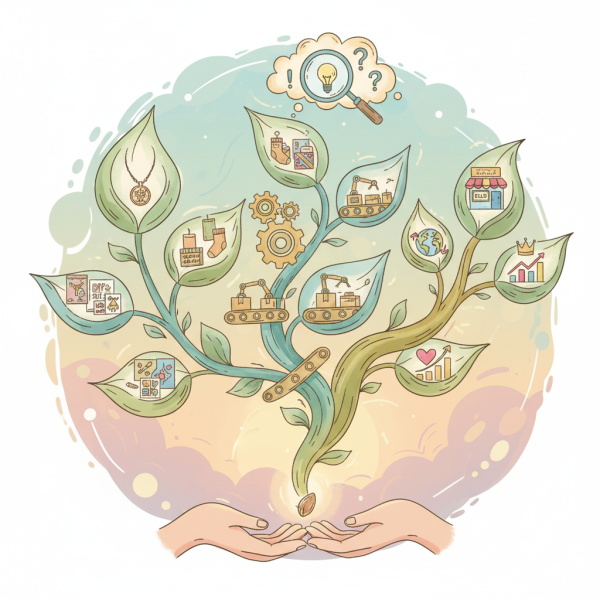
Expanding, Automating, and Growing Your Handmade Business
- -->> 11. Expanding, Automating, and Growing Your Handmade Business
What you'll learn
 Product Line ExpansionProcess AutomationStrategic Business GrowthCustomer Loyalty and Marketing
Transforming a beloved craft hobby into a thriving business is a rewarding journey, but scaling up requires more than just passion and skill. To truly grow your craft enterprise, you must look beyond individual creation and embrace strategic thinking. This involves a multi-faceted approach that includes thoughtfully expanding your product offerings, streamlining operational efficiencies through automation, and implementing robust growth strategies that secure your business's future and market position. By focusing on these key areas, you can transition from simply making beautiful things to building a sustainable and profitable brand.
Expanding Your Product Line Strategically
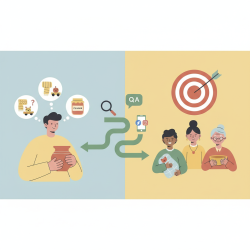
The initial success of a craft product often leads to the desire for more, but expansion must be strategic. Simply adding new items without market insight can dilute your brand or tie up resources. Begin by understanding your current customer base and identifying their unmet needs or complementary interests. Market research is crucial here; observe trends, analyze competitor offerings, and listen to feedback on your existing products.
Consider leveraging your existing skills, materials, or equipment to create variations of popular items. For instance, if you make custom jewelry, you might introduce different metal types, gem choices, or personalized engraving options. Alternatively, think about complementary products that enhance your core offering, such as display stands for your pottery or care kits for your handmade leather goods. This approach allows for efficient use of resources and maintains brand consistency.
Before a full launch, test new product ideas. This could involve creating small batches, offering limited editions, or running surveys with loyal customers. Their feedback can refine your offerings and validate demand before a significant investment. Successful product line expansion isn't just about more products; it's about smarter products that resonate with your audience and strengthen your brand.
- Personalization Options: Offer custom colors, names, dates, or specific design elements.
- Complementary Items: Develop products that are used alongside your main offering (e.g., matching accessories, gift wrapping).
- Product Kits: Sell DIY kits for customers to create their own version of your craft.
- Seasonal/Themed Collections: Introduce limited-time products aligned with holidays or special events.
- Digital Products: Explore patterns, tutorials, or printable art if applicable to your craft.
The Power of Automation in Craft Businesses
As orders grow, so do the administrative tasks, which can quickly consume valuable crafting time. Automation is the key to managing this increased workload efficiently and consistently. It involves using technology to perform repetitive tasks, freeing you to focus on creativity, product development, and customer engagement.
Identify areas in your business that are bottlenecks or require significant manual effort. Common candidates for automation include inventory management, order processing, shipping label generation, email marketing, and social media scheduling. Software solutions, ranging from integrated e-commerce platforms to specialized tools, can handle these processes with minimal intervention.
For example, an automated inventory system can track stock levels, alert you when supplies are low, and even integrate with your sales channels to prevent overselling. Email marketing platforms can send automated welcome sequences, order confirmations, and follow-up emails, maintaining customer engagement without constant manual effort. Social media scheduling tools allow you to plan and post content across multiple platforms in advance, ensuring a consistent online presence.
The benefits of automation are profound: increased efficiency, reduced errors, improved customer experience due to faster service, and ultimately, more time for you to innovate and expand. It transforms your business from a reactive operation to a proactive, scalable enterprise.
- Inventory Management: Track stock, reorder alerts, integration with sales platforms.
- Order Processing & Shipping: Automated order confirmation, label printing, tracking number generation.
- Customer Communication: Automated emails (welcome, order updates, follow-ups, newsletters).
- Social Media Management: Schedule posts, analyze engagement, manage multiple platforms.
- Bookkeeping & Invoicing: Software to track expenses, generate invoices, and reconcile accounts.
Strategic Growth Beyond Production
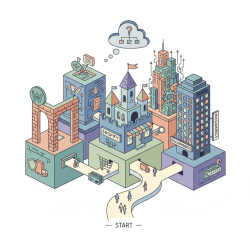
Scaling a craft business isn't solely about making more products or automating tasks; it requires a strategic vision for overall growth. This encompasses how you position your brand, reach new markets, and build lasting customer relationships. A strong brand identity, consistently communicated across all touchpoints, is fundamental to standing out in a crowded market.
Diversify your sales channels. While online marketplaces offer a broad audience, consider developing your own e-commerce website for greater control and higher profit margins. Exploring local craft fairs, pop-up shops, or even wholesale opportunities with boutiques can expand your reach. Each channel caters to different customer segments and can provide valuable insights into market preferences.
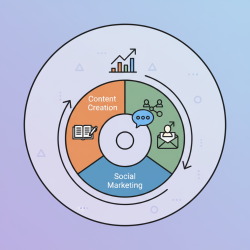
Cultivating customer loyalty is another cornerstone of strategic growth. Implement a customer relationship management (CRM) system, even a simple spreadsheet, to track customer preferences and purchase history. Offer loyalty programs, exclusive access to new products, or personalized discounts to encourage repeat business. Word-of-mouth marketing from satisfied customers remains one of the most powerful growth drivers.
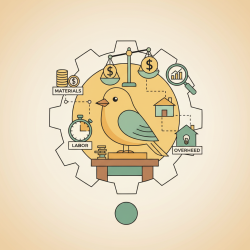
Finally, intelligent financial planning and reinvestment are crucial. Understand your costs, pricing strategies, and profit margins. Reinvest profits back into your business for better equipment, marketing campaigns, or even professional development to enhance your skills. If growth demands it, strategically consider delegating or hiring help for non-core tasks, freeing you to focus on your unique creative contribution.
Continuous Improvement and Adaptability
The business landscape is dynamic, and successful craft businesses are those that continually adapt and evolve. Growth is not a one-time event but an ongoing process of learning, adjusting, and innovating. Regularly analyze your sales data, website analytics, and social media engagement to understand what’s working and what isn’t. These metrics provide objective insights into customer behavior and product performance.
Actively seek and welcome customer feedback, whether through surveys, reviews, or direct communication. This direct input is invaluable for identifying areas for improvement in products, packaging, or customer service. Be open to making changes based on this feedback, as it demonstrates responsiveness and builds trust with your audience.
Stay informed about industry trends, new crafting techniques, and emerging technologies. Attending workshops, reading industry publications, and networking with other craft entrepreneurs can spark new ideas and keep your business relevant. Embrace experimentation; not every new idea will be a blockbuster, but the process of innovation keeps your brand fresh and exciting.
Adaptability means being prepared to pivot when necessary, whether due to changing market demands, economic shifts, or new supply chain challenges. A flexible mindset, coupled with a solid strategic foundation, will ensure your craft business not only survives but thrives through various phases of growth.
Summary
Expanding a craft business from a passion project to a sustainable enterprise demands a holistic strategy. It involves carefully broadening your product offerings to meet market demand, embracing automation to streamline operations and enhance efficiency, and executing a strategic growth plan that includes diversified marketing, customer loyalty initiatives, and sound financial management. Continuous analysis, customer feedback, and a commitment to adaptability are essential for long-term success, empowering you to scale your creative endeavors and build a resilient brand.
Comprehension questions
 What key steps should a craft business owner take before expanding their product line?Name three common areas in a craft business where automation can significantly improve efficiency.Beyond product creation, what are two critical components of strategic growth for a craft business?Why is continuous improvement and adaptability essential for the long-term success of a craft business?
Community Poll
Next Lesson

Course Contents : Building Your Online Craft Business
- >> 11.
 Expanding, Automating, and Growing Your Handmade Business