Legal, Tax, and Financial Essentials for Your Online Craft Venture
- -->> 12. Legal, Tax, and Financial Essentials for Your Online Craft Venture
What you'll learn
 Business Structure SelectionOnline Craft TaxationFinancial Management PrinciplesLegal Compliance for Sellers
Beyond the artistic passion of an online craft business, lies a crucial foundation of business understanding. To ensure the longevity and success of your craft business, it's imperative to grasp the fundamental legal requirements, navigate the complexities of taxation, and implement sound financial management practices. Overlooking these essential aspects can lead to unnecessary stress, legal complications, and financial instability. This article will guide you through the core principles needed to build a robust and compliant online craft business, transforming your hobby into a sustainable enterprise.
Understanding Your Business Structure
Choosing the right legal structure for your online craft business is one of the first critical decisions you'll make. This choice impacts everything from your personal liability to how your business is taxed. It's not a one-size-fits-all decision, and what works for one craft seller might not be ideal for another.
Sole Proprietorship
Many online craft ventures begin as sole proprietorships due to their simplicity. This structure means there's no legal distinction between you and your business. All profits and losses are reported on your personal tax return. While easy to set up, the significant drawback is unlimited personal liability, meaning your personal assets could be at risk if your business incurs debt or faces a lawsuit.
Limited Liability Company (LLC)
An LLC offers a balance between flexibility and protection. It separates your personal assets from your business liabilities, shielding you from potential business debts or legal claims. LLCs also offer flexible tax options, allowing you to choose how your business is taxed, often as a pass-through entity like a sole proprietorship or partnership, or even as a corporation. While more complex to set up than a sole proprietorship, the added protection is often worth the effort.
Partnership
If you're collaborating with another individual on your craft business, a partnership might be suitable. Like a sole proprietorship, a general partnership typically carries unlimited liability for all partners. A limited partnership (LP) or limited liability partnership (LLP) can offer some liability protection, but these structures are more intricate and often involve formal agreements outlining responsibilities, profit-sharing, and dispute resolution.
Navigating Taxation for Online Crafts
Taxes are an unavoidable part of running any business, and online craft ventures are no exception. Understanding your tax obligations is key to avoiding penalties and ensuring your business operates legally. Tax requirements can vary significantly based on your location and business structure.
Sales Tax
If you sell physical products, you'll likely be responsible for collecting and remitting sales tax. The rules for sales tax are notoriously complex, varying by state and even by locality within the United States. You typically need to collect sales tax in states where you have a "nexus" – a significant physical presence. Many online platforms handle some aspects of sales tax collection, but it's crucial to understand your responsibilities and register for a sales tax permit where required.
Income Tax
All profits your craft business generates are subject to income tax. As a sole proprietor or single-member LLC, your business income and expenses are typically reported on Schedule C (Profit or Loss From Business) of your personal Form 1040. For partnerships and multi-member LLCs, specific partnership tax forms are used, and profits flow through to the individual partners' tax returns.
Self-Employment Tax
If you're self-employed, you'll also be responsible for self-employment tax, which covers Social Security and Medicare contributions. This is in addition to your regular income tax. You'll generally need to pay estimated taxes quarterly if you expect to owe a certain amount in taxes for the year, rather than waiting until the annual tax deadline.
Record Keeping
Meticulous record keeping is paramount for tax purposes. Keep detailed records of all income, including sales from all platforms, and all business expenses, such as materials, shipping, website fees, and marketing costs. Good records simplify tax preparation and are invaluable in case of an audit.
Financial Management Best Practices
Effective financial management is the backbone of a sustainable craft business. It allows you to understand your profitability, make informed decisions, and plan for future growth.
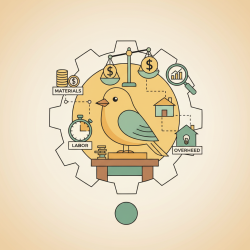
- Budgeting and Pricing: Develop a comprehensive budget that accounts for all your expenses, both fixed and variable. Price your crafts strategically to cover material costs, labor (your time!), overhead, and a reasonable profit margin. Don't undersell your work.
- Separate Business Finances: This is a golden rule. Open a dedicated business bank account and, if applicable, a business credit card. Commingling personal and business funds makes tracking income and expenses incredibly difficult and can complicate tax preparation and liability protection.
- Tracking Income and Expenses: Utilize accounting software or a detailed spreadsheet to consistently track every dollar in and out of your business. This practice provides a clear picture of your financial health and simplifies tax season.
- Emergency Fund: Just like personal finance, having a business emergency fund is vital. Set aside money to cover unexpected costs, slow sales periods, or invest in new equipment.
Legal Considerations for Craft Sellers
Beyond business structure and taxes, several legal aspects warrant attention for online craft entrepreneurs. Adhering to these protects your brand and your customers.
Intellectual Property
Protecting your unique designs and creations is crucial. This involves understanding:
- Copyright: Automatically protects original works of authorship, including artistic designs, photographs, and written content. While automatic, formal registration with the U.S. Copyright Office offers stronger legal protections.
- Trademark: Protects brand names, logos, and slogans used to identify your business and distinguish your products from others. Registering a trademark offers exclusive rights and protection against infringement.
Conversely, be mindful of infringing on the intellectual property of others. Always ensure your designs are original or that you have the proper licenses to use specific images, fonts, or characters.
Product Liability
If your craft products could potentially cause harm, even unintentionally (e.g., jewelry for children, items with small parts, candles), you should consider product liability. Ensure your products are safe, clearly label any potential hazards or age recommendations, and consider obtaining product liability insurance to protect against claims of injury or damage caused by your products.
Website Terms and Conditions & Privacy Policy
For your online shop, having clear terms and conditions (T&Cs) and a privacy policy is essential. T&Cs outline your sales policies, returns, shipping, and dispute resolution. A privacy policy informs customers how you collect, use, and protect their personal data, which is legally required in many jurisdictions (e.g., GDPR, CCPA).
Summary
Building a successful online craft venture involves much more than just creative talent; it requires a solid understanding of business fundamentals. By thoughtfully choosing your business structure, diligently managing your tax obligations, implementing sound financial practices, and addressing key legal considerations, you lay the groundwork for a resilient and profitable enterprise. Embracing these responsibilities from the outset will empower you to focus more on your craft, with the peace of mind that your business is operating on a secure and compliant foundation.
Comprehension questions
 What are the main differences in liability protection between a Sole Proprietorship and a Limited Liability Company (LLC)?Which types of taxes are typically relevant for an online craft seller, and what is the importance of meticulous record keeping?Why is it crucial for online craft businesses to separate personal and business finances, and what tools can help with this?What are two key aspects of intellectual property that craft sellers should understand, and why is product liability important?
Review Quiz
Next Lesson

Course Contents : Building Your Online Craft Business
- >> 12.
 Legal, Tax, and Financial Essentials for Your Online Craft Venture