Defining Your Unique Vision in the Online Artisan Marketplace
- -->> 1. Defining Your Unique Vision in the Online Artisan Marketplace
What you'll learn
 Online Platform SelectionUnique Brand IdentityProduct PresentationDigital Marketing for Artisans
The digital age has revolutionized how artisans connect with their customers, transforming local craft fairs into a global marketplace. For makers of unique, handmade goods, the vast landscape of online selling presents both exhilarating opportunities and formidable challenges. Navigating this dynamic environment requires more than just beautiful creations; it demands a strategic approach to platform selection, brand development, and audience engagement. Success hinges on a clear understanding of the digital ecosystem and, crucially, a uniquely defined business vision that sets your craft apart in a crowded online world.
The Evolving Landscape of Online Craft Sales
The online marketplace for artisans is diverse and ever-expanding. Each platform offers distinct advantages and caters to different business models. Understanding these nuances is the first step toward building a sustainable online presence.
Dedicated craft marketplaces like Etsy remain a popular starting point due to their established audience of handmade enthusiasts and relatively low barrier to entry. They provide built-in tools for listing, selling, and managing orders, making them ideal for emerging artisans. However, the sheer volume of sellers also means intense competition and a need to stand out.
For those seeking more control and a highly customized brand experience, building an independent e-commerce store using platforms like Shopify or Squarespace is an excellent option. While this requires more upfront effort in design and marketing, it allows for complete brand immersion and avoids platform-specific fees or limitations. It’s particularly suitable for artisans ready to scale their brand and cultivate a direct relationship with their clientele.
Larger marketplaces, such as Amazon Handmade, offer access to a massive customer base but come with stricter vetting processes and a more corporate feel, which may not align with every artisan's brand identity. Social media platforms like Instagram and Facebook are also powerful tools, not just for marketing but also for direct sales through features like shopping tags and marketplace integrations.
Choosing the right platform, or combination of platforms, depends on your specific goals, target audience, and the type of relationship you wish to build with your customers. It’s not a one-size-fits-all decision; flexibility and adaptability are key.
Defining Your Unique Business Vision
In a marketplace overflowing with creativity, simply being good at your craft is often not enough. To truly thrive, artisans must define a unique business vision that articulates not just what they sell, but why they sell it, and to whom.
Start by asking fundamental questions: What problem does your product solve, or what emotion does it evoke? What is the story behind your craft? Who is your ideal customer, and what are their values and preferences? These inquiries form the bedrock of your brand identity.
Your unique selling proposition (USP) is what differentiates you from competitors. It could be the materials you use, your specific technique, the ethical sourcing of your components, or a particular aesthetic that resonates deeply with a niche audience. This USP should be consistently communicated across all your online touchpoints.
A strong brand vision extends beyond your products to encompass your brand's personality, values, and mission. It guides your design choices, marketing messages, and customer interactions, creating a cohesive and memorable experience for buyers.
Key elements to consider when defining your vision include:
- Your core values and what they mean for your business practices.
- The specific niche market you aim to serve.
- The emotional connection or practical benefit your products offer.
- Your brand's distinctive visual style and voice.
- The story of your craft and its inspiration.
This introspection allows you to craft a compelling narrative that attracts the right customers and fosters loyalty. It’s about building a connection, not just making a sale.
Product Presentation and Customer Experience
Online, your product images and descriptions are your storefront. High-quality photography is non-negotiable. Images should be clear, well-lit, and showcase your product from multiple angles, highlighting details and scale. Lifestyle shots can help customers envision the product in their own lives.
Product descriptions must be informative, engaging, and benefit-oriented. Beyond listing features, explain the value: how it feels, what it represents, the care taken in its creation. Use keywords relevant to your product to improve search visibility.
The customer experience extends to every interaction. Clear communication, prompt responses to inquiries, and efficient order fulfillment build trust and encourage repeat business. Thoughtful packaging, even for online sales, can elevate the unboxing experience and reinforce your brand's quality.
Marketing and Reaching Your Audience
Even with a unique vision and stunning products, they won't sell themselves. Effective marketing is crucial for reaching your target audience and driving traffic to your online store or listings.
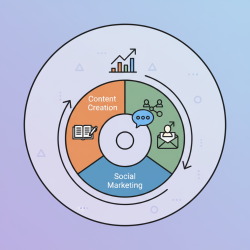
Social media platforms are powerful tools for artisans. Visual platforms like Instagram and Pinterest are ideal for showcasing handmade goods. Consistency in posting, engaging with followers, and using relevant hashtags can significantly boost visibility. Behind-the-scenes content showing your process can build a deeper connection with potential buyers.
Email marketing allows for direct communication with interested customers. Building an email list through your website or social media offers is invaluable for announcing new products, sales, or sharing exclusive content. Content marketing, through a blog or informative posts, can also position you as an expert in your craft and attract organic traffic.
Understanding basic search engine optimization (SEO) for product listings is also beneficial. Using descriptive titles and tags that customers are likely to search for can improve your product's visibility on marketplaces and search engines.
Effective marketing channels include:
- Social media advertising and organic engagement.
- Email newsletters and promotional campaigns.
- Collaborations with influencers or complementary brands.
- Participation in online craft communities and forums.
- Optimizing product listings for search engines (SEO).
Continuously analyze your marketing efforts to see what resonates most with your audience and adjust your strategy accordingly. Marketing is an ongoing process of learning and refinement.
Operational Considerations and Growth
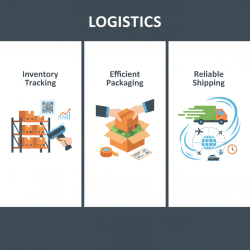
Beyond sales and marketing, the logistical side of an online artisan business requires careful planning. Efficient shipping, clear return policies, and responsive customer service are vital for customer satisfaction and your brand's reputation.
Managing inventory, whether raw materials or finished products, is essential for avoiding stockouts or overstock. As your business grows, consider how your production process can scale to meet increased demand without compromising quality. Automation tools for order processing or shipping label generation can save significant time.
Continuously evaluate your business performance, analyze sales data, and seek feedback from customers. This iterative process of learning and adapting is fundamental to sustained growth and allows your unique business vision to evolve and flourish in the ever-changing online landscape.
Summary
The journey for artisans navigating online selling involves a multifaceted approach that extends far beyond crafting beautiful items. It encompasses strategically choosing the right platforms, meticulously defining a unique business vision and brand identity, mastering the art of product presentation, and executing targeted marketing strategies. Furthermore, efficient operational management and a commitment to continuous learning are crucial for fostering growth and ensuring long-term success. By integrating these elements, artisans can transform their passion into a thriving online enterprise, connecting their unique creations with a global audience.
Comprehension questions
 What are the key considerations when choosing an online selling platform for artisans?How does an artisan define their unique selling proposition (USP) and brand vision?What elements are crucial for effective product presentation in the online marketplace?Name three effective marketing channels or strategies mentioned for reaching an artisan's target audience.
Community Poll
Next Lesson

Course Contents : Building Your Online Craft Business
- >> 1.
 Defining Your Unique Vision in the Online Artisan Marketplace