Smart Inventory, Packaging, and Shipping Strategies
- -->> 9. Smart Inventory, Packaging, and Shipping Strategies
What you'll learn
 Inventory Management Best PracticesOptimizing Order PackagingStrategic Shipping Carrier SelectionEnhancing Customer Fulfillment
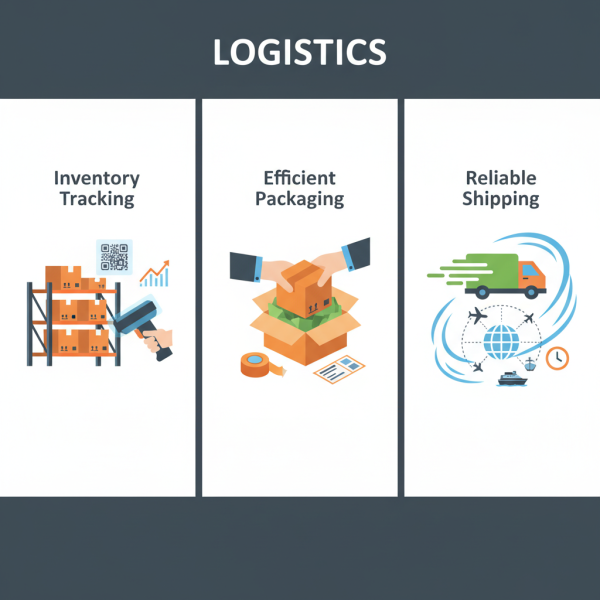
Businesses, regardless of their size, face the continuous challenge of managing inventory, preparing orders for dispatch, and ensuring timely delivery to customers. These three pillars—inventory tracking, efficient packaging, and reliable shipping—are not merely separate tasks but interconnected components of a streamlined supply chain that directly impact profitability, customer satisfaction, and brand reputation. Neglecting any one of these areas can lead to significant bottlenecks, increased costs, and ultimately, lost business. This article delves into practical strategies to optimize each of these crucial aspects, providing actionable insights for businesses aiming to enhance their operational efficiency and deliver exceptional customer experiences.
Strategies for Tracking Inventory
Effective inventory tracking is the bedrock of a healthy supply chain. Without precise knowledge of what's in stock, where it is, and how quickly it's moving, businesses risk overstocking slow-moving items and running out of popular products, both of which lead to financial losses and frustrated customers.
Manual vs. Automated Systems
For nascent businesses with minimal stock, a simple spreadsheet might suffice. However, as inventory grows, manual tracking becomes prone to errors and time-consuming. Transitioning to an automated inventory management system (IMS) or enterprise resource planning (ERP) software is essential. These systems use technologies like barcode scanners, QR codes, or even RFID to provide real-time updates on stock levels, locations, and movements. Automation significantly reduces human error, speeds up processes, and offers invaluable data for forecasting.
Key Inventory Metrics
To truly understand inventory performance, businesses must track key metrics:
- Inventory Turnover: How many times inventory is sold and replaced over a period. A high turnover often indicates efficient sales, but too high might mean missed sales due to stockouts.
- Stock-to-Sales Ratio: Compares the amount of inventory on hand to the amount sold, indicating if inventory levels are appropriate for current sales trends.
- Fill Rate: The percentage of customer orders that can be fulfilled completely and immediately from existing stock. A high fill rate signifies excellent availability.
- Backorder Rate: The percentage of orders that cannot be fulfilled immediately due to lack of stock. High rates indicate poor inventory planning and potential customer dissatisfaction.
Analyzing these metrics helps in making informed purchasing decisions and optimizing stock levels.
Cycle Counting
Instead of a disruptive annual physical inventory count, implement cycle counting. This method involves counting a small portion of inventory on a regular, rotating basis. It allows businesses to identify and correct discrepancies continuously, improving overall accuracy without halting operations. Cycle counting also helps in identifying root causes of errors, leading to process improvements.
Efficient Packaging Orders
Once an order is placed and inventory confirmed, the next critical step is efficient and secure packaging. Packaging protects products during transit, influences shipping costs, and plays a significant role in the customer's unboxing experience.
Choosing the Right Materials
Selecting appropriate packaging materials is a balance of protection, cost, and weight. Use sturdy boxes or poly mailers that fit the product snugly to minimize movement. Essential void fill materials like air pillows, packing peanuts, or crinkle paper prevent damage. Consider lightweight materials to reduce shipping costs and explore eco-friendly options to appeal to environmentally conscious customers.
Optimizing the Packaging Process
Streamlining the packing workflow can drastically improve efficiency:
- Dedicated Packing Station: Set up a designated area with all necessary tools and supplies (boxes, tape, labels, void fill) within easy reach.
- Standardize Packaging: If possible, standardize box sizes for common products or product combinations. This simplifies material procurement and speeds up packing.
- Batch Processing: Pack similar orders together or process orders in batches to create efficiencies, especially when dealing with high volumes.
- Training and Checklists: Train staff thoroughly on proper packing techniques and provide checklists to ensure consistency and prevent errors.
Customization and Branding
Packaging is an extension of your brand. Incorporating branded elements can elevate the unboxing experience. This could include custom-printed boxes, branded tissue paper, stickers, or even a personalized note. While these additions come with a cost, they can significantly enhance customer loyalty and create memorable impressions, justifying the investment for many businesses.
Choosing Reliable Shipping Methods
The final hurdle in order fulfillment is getting the product from your facility to the customer's doorstep reliably and cost-effectively. The choice of shipping method impacts delivery speed, cost, and overall customer satisfaction.
Understanding Shipping Options
Familiarize yourself with various shipping options: ground shipping for economical, non-urgent deliveries; expedited services for faster delivery at a higher cost; and international shipping for global reach. For bulk orders, consider less-than-truckload (LTL) or full-truckload (FTL) freight services. Offer a range of options to customers, allowing them to balance speed and cost according to their needs.
Carrier Selection
Partnering with the right shipping carriers is crucial. Major carriers like UPS, FedEx, USPS, and DHL offer extensive networks, but regional carriers can sometimes provide more competitive rates or specialized services for specific areas. Evaluate carriers based on:
- Reliability: Their track record for on-time delivery and minimal damage.
- Cost: Compare rates across different service levels.
- Tracking Capabilities: Robust tracking is essential for both you and your customers.
- Insurance Options: Understand their liability and available coverage.
- Customer Service: Responsiveness in case of issues.
- Service Area: Ensure they cover all your required destinations.
Negotiating Rates and Insurance
For businesses with high shipping volumes, negotiating directly with carriers for discounted rates is often possible. Joining a shipping association or utilizing a third-party logistics (3PL) provider can also unlock better rates due to their aggregated shipping volumes. Always consider shipping insurance, especially for high-value items. While carriers offer basic liability, purchasing additional declared value coverage provides greater protection against loss or damage in transit, safeguarding your financial interests and customer trust.
Summary
Effectively managing inventory, packaging orders efficiently, and choosing reliable shipping methods are indispensable components of a successful business operation. Implementing robust inventory tracking systems, whether manual or automated, provides the data necessary for informed decision-making and preventing costly stock issues. Optimizing the packaging process not only protects products but also elevates the customer experience through thoughtful presentation. Finally, strategic selection of shipping carriers and methods ensures timely and cost-effective delivery, cementing customer loyalty. By integrating these strategies, businesses can create a seamless and efficient fulfillment process that drives customer satisfaction and sustainable growth.
Comprehension questions
 What are the primary benefits of transitioning from manual to automated inventory management systems for a growing business?Name two key inventory metrics mentioned in the article and explain how they help in making informed purchasing decisions.How can businesses optimize their packaging process to improve efficiency and enhance the customer's unboxing experience?What factors should businesses consider when selecting a shipping carrier, and why is negotiating rates important for high-volume shippers?
Community Poll
Next Lesson

Course Contents : Building Your Online Craft Business
- >> 9.
 Smart Inventory, Packaging, and Shipping Strategies