Defining and Communicating Service Expectations
- -->> 2. Defining and Communicating Service Expectations
What you'll learn
 Defining ExpectationsEffective CommunicationProactive ManagementContinuous Improvement
In any professional relationship, whether between a business and its customers, or within internal teams, clarity is the cornerstone of success and satisfaction. Service expectations, when left undefined or poorly communicated, become fertile ground for misunderstandings, frustration, and ultimately, a breakdown of trust. Conversely, when these expectations are meticulously articulated and consistently conveyed, they pave the way for seamless operations, strong relationships, and a reputation built on reliability. This article explores the critical importance of clearly defining and communicating service expectations to prevent common pitfalls and cultivate an environment of mutual understanding and unwavering trust.
The Foundation of Trust: Why Expectations Matter
The human tendency is to fill in informational gaps with assumptions. When it comes to service, these assumptions can vary wildly from one individual to another, leading to a significant disparity between what a service provider believes they are delivering and what a recipient expects to receive. This gap is the primary cause of dissatisfaction. Unmet expectations, regardless of their realism, lead directly to frustration, complaints, and a damaged perception of quality. For businesses, this translates to churn, negative reviews, and a struggle to retain clientele. Internally, it can manifest as team friction, missed deadlines, and a decline in morale.
Building trust requires predictability and transparency. When individuals know precisely what to expect, they feel secure and valued. They understand the boundaries, the deliverables, and the commitments made. This clarity fosters an environment where positive relationships can flourish, encouraging repeat business, strong partnerships, and cohesive teamwork. Trust, once established through clear expectations and consistent delivery, becomes a powerful asset that underpins all successful interactions.
Defining Expectations: What, When, How
The first step in effective expectation management is rigorous definition. This goes beyond vague promises and delves into the specifics of what will be provided, under what conditions, and within what timeframe. Employing the SMART criteria (Specific, Measurable, Achievable, Relevant, Time-bound) can be incredibly helpful in this phase.
- Specific: Clearly outline the exact services, features, or tasks being offered. Avoid jargon where possible, or explain it thoroughly. What is included? What is explicitly excluded?
- Measurability: How will success or completion be determined? What are the key performance indicators (KPIs)? This could involve response times, project completion rates, quality metrics, or specific outcomes.
- Achievability: Ensure that the expectations set are realistic and attainable given available resources, time, and capabilities. Over-promising is a common trap that inevitably leads to disappointment.
- Relevance: Are the expectations pertinent to the overall goals and needs of the recipient? Do they align with the purpose of the service?
- Time-bound: Establish clear deadlines, delivery schedules, and availability windows. When will tasks be completed? What are the service hours?
Consider all facets of the service: the scope of work, quality standards, communication protocols, cost implications, and any contingencies. Documenting these definitions provides a tangible reference point for all parties involved, minimizing ambiguity from the outset.
Strategies for Effective Communication
Once defined, expectations must be communicated clearly, consistently, and through appropriate channels. Communication is not a one-time event but an ongoing dialogue. It requires both transmitting information and actively listening to ensure it has been received and understood correctly.
Effective communication strategies include:
- Multi-Channel Approach: Utilize various methods such as written agreements (Service Level Agreements, contracts, project briefs), verbal discussions, emails, and dedicated communication platforms. Reinforce key points across different channels.
- Active Listening and Confirmation: After communicating expectations, ask open-ended questions to confirm understanding. "Does that make sense?" or "Can you summarize what you understand the next steps to be?" are powerful tools. Be prepared to clarify and elaborate.
- Regular Check-ins: Maintain an open line of communication throughout the service period. Regular updates, progress reports, and opportunities for feedback prevent small issues from becoming large problems.
- Documentation and Accessibility: Ensure all agreed-upon expectations are easily accessible to everyone involved. This might be a shared document, a project management tool, or a dedicated knowledge base.
- Onboarding and Training: For new clients or team members, dedicate time to walk them through service expectations. Explain the "why" behind certain processes and standards.
Tailor your communication style to your audience. Simplicity and directness are almost always beneficial. Avoid jargon and overly technical language unless specifically required and understood by all parties.
Managing Expectations Proactively
Proactive expectation management involves foreseeing potential challenges and addressing them before they impact the service delivery or relationship. This forward-thinking approach is crucial for maintaining trust and satisfaction.
Key proactive strategies include:
- Setting Realistic Expectations: It is always better to slightly under-promise and consistently over-deliver than the reverse. Be honest about limitations, potential delays, or dependencies from the outset.
- Communicating Changes Promptly: If unforeseen circumstances arise that may alter service delivery (e.g., delays, scope changes, resource limitations), communicate these changes immediately and transparently. Explain the reasons and propose solutions or revised timelines.
- Educating Stakeholders: Ensure all parties understand their roles, responsibilities, and how their actions (or inactions) might impact the overall service delivery. Empower them with the information they need to contribute effectively.
- Anticipating Questions: Consider what questions or concerns might arise and proactively provide answers or explanations in your initial communications. A robust FAQ section can be incredibly valuable.
By taking a proactive stance, you demonstrate professionalism, transparency, and a commitment to keeping stakeholders informed and prepared, further cementing trust.
The Role of Feedback and Continuous Improvement
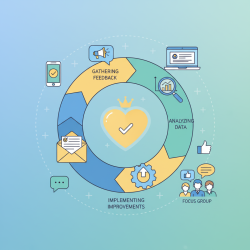
Defining and communicating expectations is not a static process; it is dynamic and iterative. Continuous improvement is essential, and this relies heavily on effective feedback mechanisms.
Collecting and acting on feedback allows you to:
- Identify Gaps: Discover where current expectations are not being met or where communication is failing.
- Refine Definitions: Adjust service definitions based on real-world experience and evolving needs.
- Improve Communication Methods: Learn which communication channels and styles resonate best with your audience.
- Enhance Service Quality: Ultimately, using feedback to iterate on expectations and delivery processes leads to a higher quality of service and greater satisfaction.
Regularly solicit feedback through surveys, direct conversations, performance reviews, and informal check-ins. Crucially, show that you are listening by implementing changes and communicating those improvements back to the stakeholders. This closed-loop system reinforces trust and demonstrates a commitment to excellence.
Summary
The ability to clearly define and communicate service expectations is more than just a best practice; it is a fundamental requirement for fostering strong relationships, preventing misunderstandings, and building enduring trust. By meticulously outlining what will be delivered, when, and how, and then effectively communicating these details through multiple channels, organizations and individuals can create an environment of clarity and predictability. Proactive management of expectations, coupled with a commitment to continuous improvement through feedback, ensures that service delivery consistently meets or exceeds agreed-upon standards. This strategic approach minimizes friction, maximizes satisfaction, and strengthens the bonds of trust that are vital for long-term success.
Comprehension questions
 What are the five SMART criteria, and how can they be applied to defining service expectations?List three effective communication strategies for conveying service expectations, as mentioned in the article.How does a proactive approach to expectation management contribute to maintaining trust and satisfaction?
Community Poll
Next Lesson

Course Contents : Customer Service for Local Service Businesses
- >> 2.
 Defining and Communicating Service Expectations