Measuring Customer Satisfaction and KPIs
- -->> 11. Measuring Customer Satisfaction and KPIs
What you'll learn
 Customer Satisfaction MetricsService Excellence KPIsMeasurement FrameworksContinuous Improvement
In today's competitive landscape, understanding and measuring customer satisfaction is no longer just a good practice; it's a fundamental pillar of business longevity and growth. Coupled with robust Key Performance Indicators (KPIs), these measurements provide invaluable insights into the efficacy of your service operations, allowing organizations to not only meet but consistently exceed customer expectations and drive service excellence.
The Cornerstone of Business Success: Customer Satisfaction
Customer satisfaction stands as a critical indicator of how well a company's products or services meet or surpass customer expectations. High satisfaction levels often correlate directly with increased customer loyalty, repeat business, and positive word-of-mouth referrals. Conversely, low satisfaction can lead to churn, reputational damage, and ultimately, a decline in revenue. Proactive measurement allows businesses to identify pain points and areas for improvement before they escalate into larger issues.
Measuring Customer Satisfaction: Beyond a Smile
To truly gauge customer satisfaction, businesses must employ a variety of systematic measurement tools. These methods provide quantitative data that helps paint a clear picture of customer sentiment across various touchpoints. Relying solely on anecdotal feedback is insufficient; a structured approach is essential for actionable insights.
- Net Promoter Score (NPS): Measures customer loyalty by asking how likely customers are to recommend the company to others, categorizing them as Promoters, Passives, or Detractors.
- Customer Satisfaction Score (CSAT): Typically collected after a specific interaction or purchase, asking customers to rate their satisfaction on a scale (e.g., 1-5 or 1-10).
- Customer Effort Score (CES): Assesses the ease of a customer's interaction with a company, often asking how much effort they had to exert to resolve an issue or complete a request.
Each metric offers a unique perspective, and combining them provides a holistic view of the customer experience, enabling targeted interventions and strategic improvements.
Defining Service Excellence Through KPIs
Key Performance Indicators (KPIs) are quantifiable metrics used to evaluate the success of an organization or a particular activity in meeting its objectives. For service excellence, KPIs move beyond mere satisfaction scores to assess the operational efficiency, effectiveness, and quality of service delivery. They act as a compass, guiding teams towards optimal performance and helping to benchmark progress against strategic goals. Defining the right KPIs is crucial for tracking what truly matters in service provision.
Essential KPIs for Service Excellence
Monitoring specific operational KPIs is vital for ensuring that service delivery is not only meeting customer expectations but also achieving operational efficiency. These indicators help identify bottlenecks, allocate resources effectively, and maintain consistent service quality.
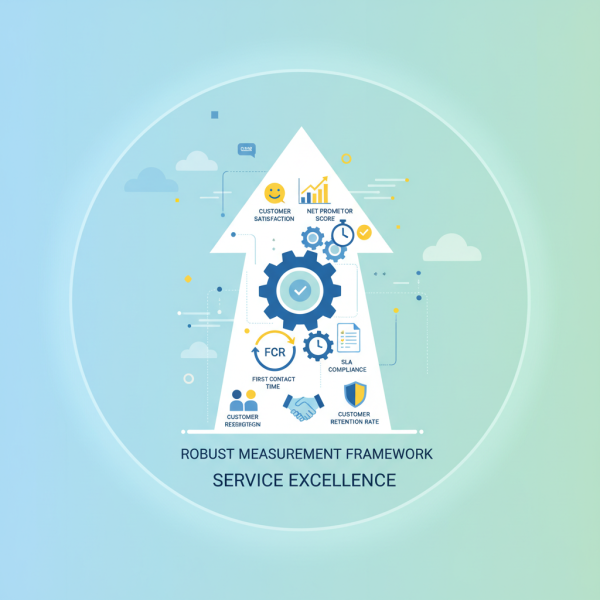
- First Contact Resolution (FCR): The percentage of customer issues resolved during the first interaction. High FCR indicates efficient problem-solving and reduces customer effort.
- Average Handle Time (AHT): The average amount of time spent on a customer interaction, from start to finish. While efficiency is key, AHT should not compromise quality.
- Service Level Agreement (SLA) Compliance: The percentage of interactions or issues resolved within the agreed-upon timeframes outlined in service level agreements.
- Customer Retention Rate (CRR): The percentage of customers a business retains over a given period. A higher CRR often reflects consistent positive experiences and strong customer loyalty.
By tracking these and other relevant KPIs, businesses can gain deep insights into the mechanics of their service operations and identify specific areas for strategic enhancement.
Implementing a Robust Measurement Framework
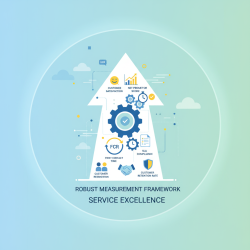
Establishing an effective measurement framework involves integrating customer feedback collection tools with operational data systems. This includes deploying surveys at appropriate touchpoints, training staff on data collection, and utilizing analytics platforms to aggregate and interpret information. The goal is to create a continuous loop of data capture, analysis, and action, ensuring that all efforts are data-driven.
From Data to Action: Continuous Improvement
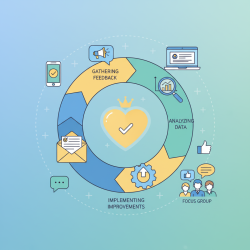
Measuring customer satisfaction and KPIs is only the first step. The true value lies in how this data is analyzed and used to drive continuous improvement. Regular review of metrics, identification of trends, root cause analysis of issues, and implementation of corrective actions are all vital components. This iterative process fosters a culture of excellence, where every insight contributes to refining service delivery and elevating the customer experience over time.
Summary
In summary, achieving service excellence hinges on a dual approach: diligently measuring customer satisfaction through metrics like NPS, CSAT, and CES, and rigorously tracking operational Key Performance Indicators such as FCR, AHT, and SLA compliance. By integrating these measurements into a comprehensive framework and leveraging the insights derived for continuous improvement, organizations can consistently enhance their service delivery, foster stronger customer loyalty, and secure a competitive advantage in the marketplace.
Comprehension questions
 What are the three primary customer satisfaction metrics discussed in the article, and what does each measure?How do Key Performance Indicators (KPIs) differ from customer satisfaction metrics in the context of service excellence?Name two essential operational KPIs for service excellence mentioned and explain their significance.According to the article, what is the ultimate goal of collecting customer satisfaction and KPI data?
Community Poll
Next Lesson

Course Contents : Customer Service for Local Service Businesses
- >> 11.
 Measuring Customer Satisfaction and KPIs