Customer Feedback and Insights
- -->> 6. Customer Feedback and Insights
What you'll learn
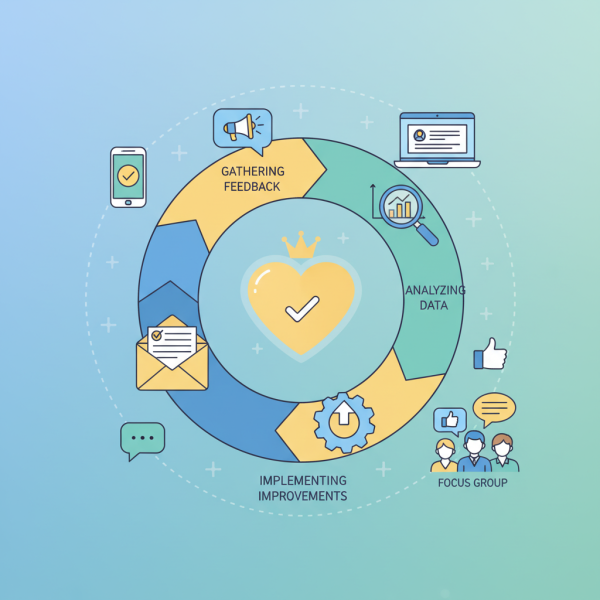
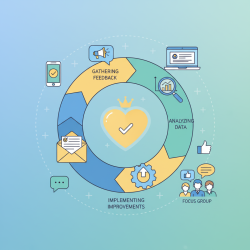
 Feedback Collection MethodsAnalyzing Customer DataImplementing ChangesContinuous Improvement Cycle
Customer expectations are higher than ever. Businesses that thrive are those that not only meet these expectations but consistently exceed them. At the heart of this success lies a proactive and systematic approach to gathering customer feedback and leveraging it to continuously refine and elevate service offerings. This process isn't merely about reacting to complaints; it's about building a robust feedback loop that informs strategic decisions, identifies emerging needs, and fosters a culture of ongoing improvement, ultimately strengthening customer loyalty and market position.
The Imperative of Customer Feedback
Customer feedback is more than just data; it's the voice of your market, providing invaluable insights directly from those who experience your services firsthand. Ignoring this voice means missing critical opportunities to understand pain points, discover new value propositions, and stay ahead of competitors. Effective feedback mechanisms transform passive users into active contributors to your service evolution, ensuring your offerings remain relevant and highly valued.
Understanding customer needs through direct input helps in resource allocation, product development, and refining customer journeys. It moves a business from assumption-based decision-making to evidence-based strategies, leading to more impactful and successful outcomes.
Diverse Channels for Feedback Collection
To capture a comprehensive view of customer sentiment, it is essential to employ a variety of feedback channels. A multi-channel approach ensures that you meet customers where they are most comfortable providing input, covering different touchpoints throughout their interaction with your service.
Digital Channels and Tools
- Surveys: Carefully designed surveys, delivered via email, website pop-ups, or within the application, can gather both quantitative data (e.g., satisfaction scores, NPS) and qualitative insights (open-ended comments).
- In-App Feedback Widgets: These provide immediate context-specific feedback, allowing users to highlight issues or suggestions precisely where they encounter them within your service.
- Social Media Monitoring: Tracking mentions, comments, and reviews on social platforms offers unfiltered, real-time public sentiment and can highlight broader trends or widespread issues.
- Online Review Platforms: Sites like Google Reviews, Trustpilot, or industry-specific review platforms are crucial for understanding public perception and competitive standing.
- Chatbots and AI-Powered Assistants: While primarily for support, these tools can be programmed to ask for feedback after resolving an issue, providing insights into the efficiency of your support processes.
Direct Interaction and Observational Data
Beyond digital tools, direct engagement provides deeper qualitative insights. Customer support interactions, user interviews, focus groups, and usability testing sessions offer rich, nuanced perspectives that surveys alone might miss. Additionally, analyzing user behavior through website analytics or in-app usage data can reveal patterns and areas of friction even when direct feedback isn't explicitly provided.
Structuring and Analyzing Feedback Data
Gathering feedback is only the first step; its true value is unlocked through systematic organization and rigorous analysis. Effective analysis transforms raw data into actionable intelligence.
A centralized feedback management system is crucial. This system should be capable of integrating data from all collection channels, allowing for a holistic view. Data needs to be categorized, tagged, and potentially prioritized based on severity or frequency. Tools employing natural language processing (NLP) can help process large volumes of qualitative data, identifying common themes and sentiments.
Analysis should seek to answer key questions:
- What are the most common pain points?
- What features or aspects of the service are most valued?
- Are there recurring requests or suggestions for new functionalities?
- How do different customer segments perceive the service?
Distinguish between anecdotal evidence and systemic issues. Quantitative data provides scope and scale, while qualitative data offers depth and context. Integrating both allows for a comprehensive understanding of customer sentiment and identifies root causes rather than just symptoms.
Translating Insights into Actionable Improvements
Once feedback is analyzed, the next critical phase is to translate those insights into concrete improvements. This requires a structured approach to prioritization and execution.
Establish a clear process for evaluating feedback. Not every suggestion can or should be implemented immediately. Use frameworks like impact-effort matrixes to prioritize improvements that offer the highest value to customers with feasible implementation. Involve cross-functional teams, including product development, marketing, and customer service, to ensure a well-rounded perspective and efficient execution.
Adopt an agile and iterative approach to development. Rather than aiming for large, infrequent updates, implement smaller, more frequent improvements. This allows for faster response to feedback, continuous validation, and a more dynamic service evolution.
Closing the Loop: Communicating Changes and Impact
A vital, yet often overlooked, aspect of the feedback process is closing the loop with your customers. Informing customers about the changes made in response to their input not only demonstrates that their voice is heard but also reinforces trust and loyalty. This communication can take various forms: release notes, direct emails, social media announcements, or updates within your service platform.
Highlighting how specific feedback led to specific improvements makes customers feel valued and encourages continued engagement. It transforms a one-way feedback submission into a collaborative partnership, fostering a stronger community around your service.
Fostering a Culture of Continuous Improvement
Ultimately, the most effective feedback system is one embedded within a culture of continuous improvement. This means that feedback isn't seen as a one-off project but as an integral, ongoing part of business operations. Leadership must champion this philosophy, empowering employees at all levels to contribute to and act upon customer insights.
Regular reviews of feedback data, performance metrics, and implemented changes should be part of the operational rhythm. Celebrate successes derived from customer-led improvements and learn from initiatives that don't yield the expected results. This iterative learning process is what truly drives long-term service excellence.
Conclusion: The Perpetual Cycle of Service Enhancement
Implementing effective systems for gathering customer feedback and using it for continuous improvement is not a one-time task but an ongoing journey. It requires a strategic commitment to listening, analyzing, acting, and communicating. By establishing robust feedback channels, employing sophisticated analysis techniques, swiftly translating insights into action, and diligently closing the loop with customers, businesses can ensure their service offerings remain dynamic, relevant, and consistently exceed expectations. This perpetual cycle of enhancement is the cornerstone of sustained growth and enduring customer relationships in the modern marketplace.
Comprehension questions
 What are some effective digital channels for gathering customer feedback?Why is it important to integrate feedback data from various sources?What is the significance of closing the feedback loop with customers?How does a culture of continuous improvement contribute to service excellence?
Review Quiz
Next Lesson

Course Contents : Customer Service for Local Service Businesses
- >> 6.
 Customer Feedback and Insights