Techniques for Consistent High-Quality Delivery
- -->> 9. Techniques for Consistent High-Quality Delivery
What you'll learn
 Defining Service StandardsComprehensive Training StrategiesCultivating Service CultureContinuous Improvement
Delivering consistent, high-quality service is not merely an aspiration but a fundamental requirement for business success and customer loyalty in today's competitive landscape. It demands a proactive, systematic approach to ensure every interaction, every delivery, and every touchpoint reflects the organization's commitment to excellence. This involves not only equipping individual team members with the necessary skills and knowledge but also establishing a pervasive culture that champions service at every level. Mastering this consistency requires deliberate strategies for training, reinforcement, and continuous refinement, transforming service delivery from an occasional achievement into an inherent organizational strength.
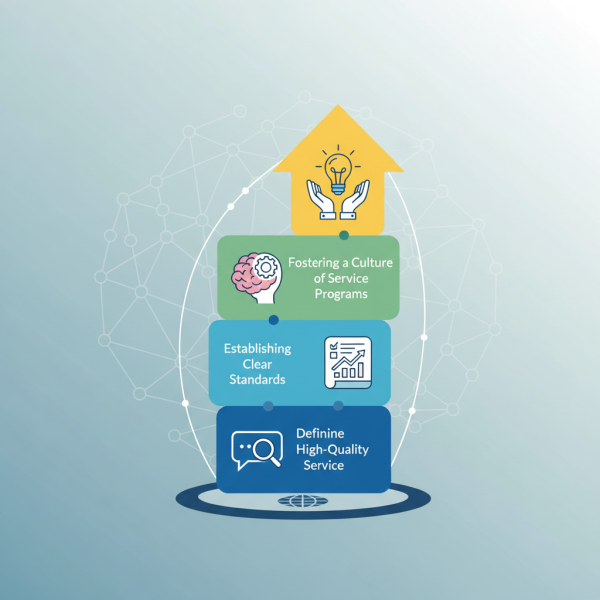
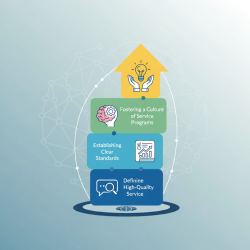
Defining High-Quality Service
Before any training can begin, it is paramount to clearly define what “high-quality service” truly means within the context of your specific business and industry. This definition should encompass both internal benchmarks and external customer expectations. Internally, it might involve adherence to specific protocols, response times, or resolution rates. Externally, it relates directly to customer satisfaction, perceived value, and the overall experience. Engaging stakeholders from various departments and, crucially, gathering insights from customer feedback are essential steps in formulating a comprehensive and actionable definition.
This definition serves as the bedrock for all training initiatives, providing a unified vision that all team members can understand and strive for. It eliminates ambiguity and ensures that everyone is working towards the same objective, creating a shared understanding of what success looks like in service delivery.
Establishing Clear Standards and Expectations
Once high-quality service is defined, the next step is to translate that definition into tangible, measurable standards and clear expectations. These standards must be well-documented and easily accessible to all team members. Standard Operating Procedures (SOPs) are invaluable tools for outlining step-by-step processes for common service scenarios, ensuring uniformity and reducing errors. Service Level Agreements (SLAs), where applicable, quantify commitments regarding response times, uptime, and resolution metrics, providing a framework for accountability.
Examples of service standards could include: answering calls within three rings, providing personalized greetings, resolving 80% of customer inquiries on the first contact, or following up on complex issues within 24 hours. Communicating these standards effectively, both verbally and in writing, is critical for setting the stage for successful training.
Comprehensive Training Programs
Training programs should be multi-faceted, addressing knowledge, skills, and attitudes. They must extend beyond initial onboarding to include ongoing development, adapting to new products, services, technologies, and evolving customer needs.
Initial Onboarding and Foundational Training
- Company mission, vision, and core values
- Product/service knowledge in depth
- Key systems and tools used for service delivery
- Basic communication skills (active listening, clear articulation)
- Understanding customer segments and common pain points
Ongoing Development and Advanced Skills
- Advanced problem-solving and de-escalation techniques
- Emotional intelligence and empathy building
- Cross-selling and up-selling (where appropriate and customer-centric)
- Updates on new products, services, or policies
- Training on new technologies or software platforms
Effective training methods include role-playing scenarios to practice difficult conversations, simulations that mimic real-world customer interactions, shadowing experienced colleagues, and e-learning modules that allow for self-paced learning and knowledge reinforcement. Regular quizzes and assessments can also help gauge comprehension and identify areas requiring further attention.
Fostering a Culture of Service Excellence
Even the best training programs will fall short without a supportive organizational culture. Leadership plays a pivotal role in modeling desired behaviors and reinforcing the importance of high-quality service.
Empower team members to make decisions that benefit the customer. When frontline staff feel trusted and authorized, they can resolve issues more quickly and creatively, enhancing the customer experience. Recognition and reward programs for exceptional service can motivate and reinforce positive behaviors. This could be through formal awards, public acknowledgment, or even small, spontaneous gestures of appreciation. Regular team meetings should include discussions about service successes and learning opportunities, fostering a collaborative environment.
Continuous Improvement and Measurement
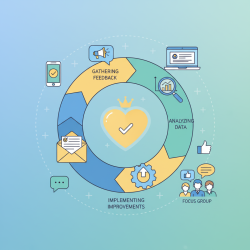
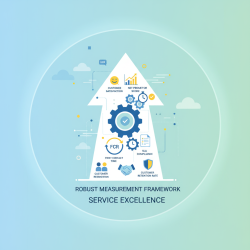
Consistent, high-quality service is not a destination but an ongoing journey. Robust feedback mechanisms and performance measurement are crucial for identifying areas for improvement and ensuring standards are consistently met.
Gathering Feedback
- Customer Surveys: Utilize tools like Net Promoter Score (NPS), Customer Satisfaction (CSAT), and Customer Effort Score (CES) to gauge overall sentiment and specific interaction quality.
- Internal Feedback: Encourage team members to share observations, challenges, and suggestions for improving processes and training.
- Mystery Shopping: Periodically assess service delivery from a customer's perspective.
Performance Metrics and Review
Regularly review key performance indicators (KPIs) related to service quality. These might include average resolution time, first contact resolution rate, customer churn rate, and adherence to SOPs. Use these metrics to identify trends, pinpoint individual or team training gaps, and celebrate achievements. Performance reviews should include constructive feedback on service delivery, coupled with tailored coaching and development plans.
Analyzing customer feedback and performance data allows for iterative improvements to both service standards and training content, ensuring that the organization remains agile and responsive to changing customer needs and market dynamics. This cyclical process of define, train, implement, measure, and refine is essential for sustaining service excellence.
Summary
Achieving consistent, high-quality service requires a strategic, multi-faceted approach centered on clear definitions, robust training, cultural reinforcement, and continuous improvement. By clearly defining service expectations, implementing comprehensive and ongoing training programs, empowering teams, and leveraging feedback and performance data, organizations can cultivate an environment where service excellence is not just a goal but a standard practice. Investing in these techniques ensures that every team member is equipped, motivated, and supported to deliver exceptional experiences consistently, building lasting customer relationships and driving business success.
Comprehension questions
 Why is it crucial for an organization to define what high-quality service means from both internal and external perspectives?What are some effective methods for delivering comprehensive training programs to ensure team members acquire necessary skills for service delivery?How can leadership foster a culture of service excellence within a team or organization?What role does continuous feedback and performance measurement play in maintaining and improving consistent high-quality service?
Next Lesson

Course Contents : Customer Service for Local Service Businesses
- >> 9.
 Techniques for Consistent High-Quality Delivery