Understanding Customer Expectations
- -->> 1. Understanding Customer Expectations
What you'll learn
 Local Customer ExpectationsPersonalized Service DeliveryEffective Communication StrategiesBuilding Customer Loyalty
In the bustling world of local service industries, distinguishing oneself requires more than just offering a service; it demands a profound understanding of the unique expectations and intrinsic needs of the customer base. Unlike national chains or online platforms, local businesses thrive on community connection, trust, and tailored experiences. Recognizing these nuanced demands is paramount for building lasting relationships and fostering loyalty, ultimately serving as the bedrock for sustained success and growth within a specific geographic market. This article delves into the core aspects of these expectations and needs, offering insights for businesses aiming to excel in their local environment.
The Local Service Landscape
The local service landscape is characterized by its immediacy and personal touch. Customers often seek services that are not only convenient but also delivered by individuals or teams they can trust. There's an inherent expectation of community involvement and accountability that might not be as prominent when dealing with larger, more anonymous entities. This proximity fosters a different kind of relationship, one built on repeated interactions and word-of-mouth reputation, where a single negative experience can have disproportionate impact.
Key Customer Expectations
Trust and Reliability
Local customers prioritize trust above nearly everything else. They want to know that when they hire a plumber, an electrician, a landscaper, or a cleaner, the job will be done correctly, efficiently, and ethically. Reliability encompasses showing up on time, completing work within agreed-upon timelines, and delivering consistent quality. A reliable service provider builds a reputation that travels quickly through local networks.
Personalization
While convenience is important, local service users also appreciate a personalized approach. This means remembering previous interactions, understanding specific preferences, and offering solutions tailored to their individual circumstances. It’s about more than just a transaction; it's about making the customer feel valued and understood as a unique individual, not just another number.
Speed and Efficiency
When a customer needs a local service, it's often because they have an immediate problem or a time-sensitive need. Whether it's a broken appliance, a leaky roof, or a pressing deadline for a home project, prompt response times and efficient service delivery are crucial. Delays can lead to frustration and a quick search for alternative providers. Optimizing operational processes to ensure timely service is a competitive advantage.
Fair Pricing and Value
Local customers are often budget-conscious but are also willing to pay a fair price for quality and reliability. They expect transparent pricing with no hidden fees and a clear understanding of what they are getting for their money. Value, in this context, extends beyond just the cost; it includes the peace of mind, the quality of work, and the overall positive experience. Providing clear estimates and discussing options helps manage expectations.
Understanding Specific Needs
Communication Preferences
Customers have diverse preferences for communication. Some prefer direct phone calls, others text messages, and a growing number appreciate email updates or even online portals. Understanding and adapting to these preferences can significantly enhance the customer experience. Regular, proactive communication about appointment times, service progress, and potential delays can alleviate anxiety and build confidence.
Convenience Factors
For local services, convenience often relates to scheduling flexibility, ease of booking, and the overall smoothness of the service interaction. Offering online booking, flexible appointment slots, or even mobile service options can cater to busy lifestyles. Minimizing disruption to the customer's daily routine during service delivery is also a highly valued aspect of convenience.
Problem Resolution
Even the best businesses encounter issues. How these problems are handled can define a customer's long-term perception. Local customers expect quick, empathetic, and effective problem resolution. A willingness to listen, apologize if necessary, and offer reasonable solutions demonstrates commitment to customer satisfaction and can turn a negative experience into an opportunity to strengthen loyalty.
Strategies for Success
-
Active Listening: Encourage service teams to actively listen to customers, not just hear them. This involves paying attention to verbal cues, asking clarifying questions, and confirming understanding. Active listening helps uncover unspoken needs and concerns, allowing for more precise and satisfactory service delivery.
-
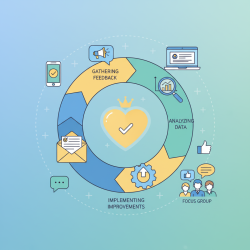
Feedback Mechanisms: Implement robust systems for collecting customer feedback. This could include post-service surveys, direct requests for reviews, or even informal check-ins. Analyzing this feedback regularly provides invaluable insights into what's working well and areas that need improvement, helping businesses adapt and evolve.
-
Building Relationships: Go beyond transactional interactions. Invest time in building genuine relationships with customers. Remember their names, details about their properties, or past services. A personal touch fosters a sense of community and makes customers feel like more than just clients, encouraging repeat business and positive referrals. Engaging with the local community through sponsorships or events can also enhance this relationship-building aspect.
Summary
Understanding the distinct expectations and needs of customers in local service industries is critical for sustainable business success. Local clients highly value trust, reliability, personalization, efficiency, and fair pricing, alongside specific communication preferences, convenience, and effective problem resolution. Businesses can thrive by actively listening to feedback, building strong relationships, and continually adapting to these nuanced demands, ensuring loyalty and positive word-of-mouth in their community.
Comprehension questions
 Why is trust and reliability considered paramount for local service customers?How does personalization differ from just providing a service, and why is it important in local industries?What role do communication preferences play in enhancing the customer experience for local services?
Review Quiz
Next Lesson
Course Contents : Customer Service for Local Service Businesses
- >> 1.
 Understanding Customer Expectations