Leveraging Digital Tools for Process Automation
- -->> 5. Leveraging Digital Tools for Process Automation
What you'll learn
 Process Automation StrategiesDigital Tool SelectionEfficiency Through TechnologyOrganizational Productivity
Organizations are constantly seeking ways to optimize their internal workings, minimize manual effort, and free up valuable human resources for more strategic initiatives. This pursuit often leads to the realm of digital tools and software, which offer powerful capabilities for automating and simplifying a wide array of organizational processes. By strategically integrating these technologies, businesses can transform their operational models, leading to significant gains in productivity, accuracy, and overall effectiveness.
Understanding the Imperative for Automation
The call for automation isn't just about keeping up with trends; it's a fundamental shift in how work gets done. Repetitive, manual tasks are not only time-consuming but are also prone to human error, leading to inefficiencies and potential costs. Automating these processes allows employees to focus on complex problem-solving, creative endeavors, and customer engagement, which are areas where human intelligence provides the most value. It’s about working smarter, not just harder, and leveraging technology to augment human capabilities.
Key Categories of Digital Tools for Process Automation
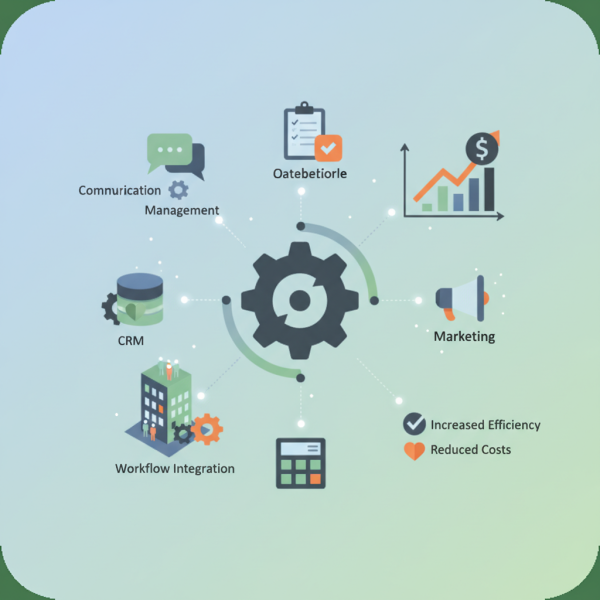
The market is flooded with digital solutions, each designed to address specific business needs. Understanding the categories of these tools can help in identifying the right fit for your organization's unique challenges.
Communication and Collaboration Platforms
Effective communication is the bedrock of any successful organization. Tools like Slack, Microsoft Teams, and Google Workspace streamline internal communications, facilitate real-time collaboration on documents, and centralize project discussions. These platforms reduce email clutter and ensure that team members are always connected and informed, regardless of their physical location.
Project Management Software
Managing projects from inception to completion can be complex. Software such as Asana, Trello, Jira, and Monday.com provide frameworks for task assignment, progress tracking, deadline management, and resource allocation. They offer visual dashboards and reporting features that give managers clear insights into project status, helping to prevent bottlenecks and ensure timely delivery.
Customer Relationship Management (CRM) Systems
For sales and customer service teams, CRM systems like Salesforce and HubSpot are indispensable. They automate lead tracking, manage customer interactions, streamline sales pipelines, and provide comprehensive customer data. This automation ensures no lead is missed and every customer interaction is personalized and recorded, improving customer satisfaction and sales conversion rates.
Marketing Automation Platforms
Engaging with your audience at scale requires sophisticated tools. Platforms such as Mailchimp, HubSpot Marketing Hub, and Marketo automate email campaigns, social media posting, lead nurturing workflows, and content distribution. These tools personalize marketing efforts, track campaign performance, and help businesses connect with their target audience more effectively.
Financial Management and Accounting Software
Managing finances is crucial. Software like QuickBooks, Xero, and FreshBooks automate invoicing, expense tracking, payroll processing, and financial reporting. They reduce the burden of manual bookkeeping, minimize errors, and provide accurate financial insights, ensuring compliance and aiding strategic financial planning.
Workflow Automation and Integration Tools
Sometimes, the biggest gains come from connecting disparate systems. Tools like Zapier, IFTTT, and Microsoft Power Automate allow you to create automated workflows between different applications without coding. For example, a new lead in your CRM can automatically trigger a task in your project management tool and send a welcome email through your marketing platform.
Tangible Benefits of Digital Transformation
Adopting digital tools for process automation delivers a multitude of advantages that directly impact an organization's bottom line and operational health.
- Increased Efficiency and Productivity: By eliminating manual, repetitive tasks, employees can dedicate more time to value-added activities, leading to higher output and better utilization of skills.
- Reduced Operational Costs: Automation often translates to fewer man-hours spent on routine tasks, lower error rates, and optimized resource allocation, all contributing to significant cost savings over time.
- Enhanced Accuracy and Consistency: Automated processes follow predefined rules, drastically reducing the likelihood of human error and ensuring a consistent quality of output across all operations.
- Improved Data Insight and Decision Making: Digital tools collect and process vast amounts of data, providing real-time analytics and reports that empower leaders to make informed, data-driven decisions swiftly.
- Better Scalability: Automated systems can handle increased workloads without a proportional increase in human resources, allowing businesses to scale operations more efficiently during periods of growth.
- Greater Employee Satisfaction: Freeing employees from mundane tasks and empowering them with tools that simplify their work can lead to higher job satisfaction and engagement.
Implementing Automation Effectively: A Strategic Approach
Simply purchasing software is not enough; successful automation requires a thoughtful strategy.
- Identify Bottlenecks and Repetitive Tasks: Begin by auditing your current processes to pinpoint areas that are inefficient, time-consuming, or prone to errors. These are prime candidates for automation.
- Define Clear Objectives: Understand what you aim to achieve with automation. Is it cost reduction, improved accuracy, faster delivery, or enhanced customer experience? Clear goals will guide your tool selection.
- Research and Select Appropriate Tools: Evaluate various software solutions based on your specific needs, budget, integration capabilities, and user-friendliness. Consider scalability and vendor support.
- Start Small with Pilot Projects: Instead of a full-scale overhaul, implement automation in a small, manageable area first. This allows you to test the waters, gather feedback, and refine your approach before wider deployment.
- Provide Comprehensive Training: Even the most intuitive tools require proper training. Ensure your team understands how to use the new systems effectively and can leverage all their features.
- Monitor, Evaluate, and Optimize: Automation is not a one-time setup. Regularly review the performance of your automated processes, gather metrics, and be prepared to make adjustments to continuously improve efficiency.
Potential Challenges and How to Address Them
While the benefits are substantial, organizations may encounter hurdles during their automation journey. These can include initial implementation costs, the complexity of integrating new systems with existing legacy infrastructure, and potential resistance from employees who are comfortable with old methods. Addressing these challenges requires careful planning, budgeting for initial investments, selecting tools with robust integration capabilities, and investing in change management strategies to ensure employee buy-in and training. Open communication about the benefits of automation for both the company and individual employees is key to overcoming resistance.
Summary
In conclusion, leveraging digital tools and software to automate and simplify organizational processes is no longer a luxury but a strategic necessity for businesses aiming for sustained growth and competitive advantage. From enhancing communication and streamlining project management to automating sales, marketing, and financial tasks, the right technology stack can revolutionize how an organization operates. By carefully identifying needs, selecting appropriate tools, and implementing them with a structured approach, businesses can unlock unparalleled levels of efficiency, accuracy, and productivity, empowering their teams to focus on innovation and strategic objectives rather than mundane administrative burdens. Embracing this digital transformation is key to building a resilient, agile, and forward-thinking enterprise.
Comprehension questions
 What are three common categories of digital tools that can be used for organizational process automation?List three tangible benefits an organization can gain from adopting digital tools for process automation.What is the recommended first step when an organization decides to implement automation effectively?Beyond initial costs, what are two common challenges an organization might face during their automation journey, and how can they be addressed?
Community Poll
Next Lesson
Course Contents : Essential Record-Keeping for Small Businesses
- >> 5.
 Leveraging Digital Tools for Process Automation