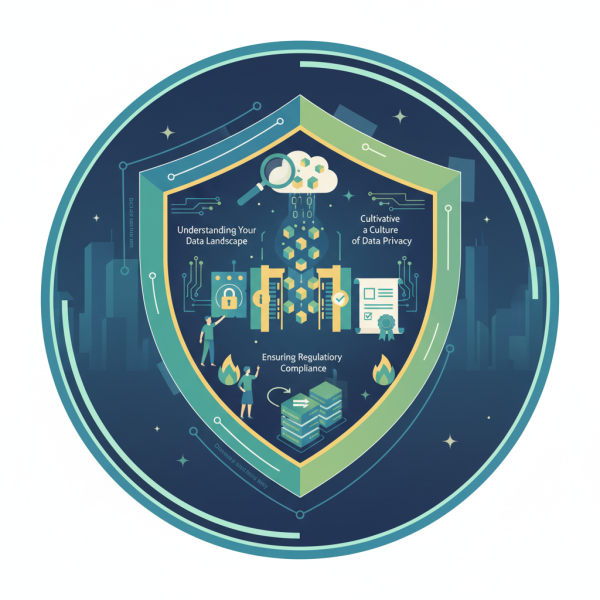
Strategies for Business Data Protection
- -->> 7. Strategies for Business Data Protection
What you'll learn
 Data Classification and MappingTechnical Security ControlsSecurity Culture and ComplianceIncident Response and Recovery
In an increasingly digital world, sensitive business information has become one of an organization's most valuable, yet vulnerable, assets. From proprietary company secrets and financial records to invaluable customer data and employee details, the volume and variety of data continue to grow exponentially. Protecting this information is no longer just a technical challenge; it is a fundamental business imperative. Failing to implement robust data privacy and security strategies can lead to severe consequences, including significant financial penalties, irreparable damage to reputation, loss of customer trust, and operational disruptions. Therefore, a proactive and multi-faceted approach is essential to safeguard your records and maintain operational integrity.
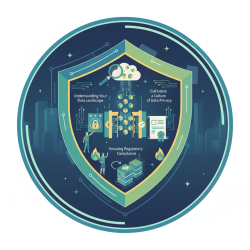
Understanding Your Data Landscape
The first critical step in protecting sensitive business information is to understand what data you possess, where it resides, and how it flows within your organization. This process involves identifying all types of data considered sensitive.
Sensitive information can encompass a wide range of data points: personally identifiable information (PII) like names, addresses, and social security numbers; protected health information (PHI); financial data such as credit card numbers and bank accounts; intellectual property including patents, trade secrets, and source code; and confidential business strategies. A thorough inventory of these data types is foundational.
Once identified, data classification becomes paramount. This involves categorizing data based on its sensitivity level and impact if compromised. Common classifications might include Public, Internal, Confidential, and Highly Confidential. This categorization helps in applying appropriate security controls tailored to the data's risk profile.
Furthermore, data mapping provides a visual representation of how data is collected, processed, stored, shared, and ultimately disposed of throughout its lifecycle. Understanding these data flows helps identify potential vulnerabilities and ensures that security measures are applied at every touchpoint.
Implementing Robust Security Measures
Technical safeguards form the backbone of any effective data protection strategy. These measures are designed to prevent unauthorized access, use, disclosure, disruption, modification, or destruction of information.
- Access Controls: Implement the principle of least privilege, ensuring individuals only have access to the information necessary for their specific job functions. Strong authentication methods, including multi-factor authentication (MFA), should be mandatory for all systems accessing sensitive data. Regular reviews of user access rights are crucial, especially during employee role changes or departures.
- Encryption: Encrypt sensitive data both at rest (when stored on servers, databases, or devices) and in transit (when being transmitted across networks). Encryption scrambles data, rendering it unreadable to unauthorized parties, even if they manage to gain access.
- Network Security: Deploy robust firewalls, intrusion detection systems (IDS), and intrusion prevention systems (IPS) to monitor and control network traffic. Regularly update and patch network devices to protect against known vulnerabilities. Implement network segmentation to isolate critical systems and sensitive data from less secure parts of the network.
- Endpoint Security: Ensure all endpoints, including laptops, desktops, and mobile devices, are protected with up-to-date antivirus and anti-malware software. Implement patch management systems to keep operating systems and applications current. Device encryption for all company-owned devices containing sensitive data is also vital.
- Physical Security: Do not overlook the physical protection of your data centers, server rooms, and even employee workstations. Implement controlled access points, surveillance, and environmental controls to protect hardware where data is stored.
Cultivating a Culture of Data Privacy
Technology alone cannot fully protect sensitive data. Human error remains a leading cause of data breaches. Therefore, fostering a strong culture of data privacy and security among all employees is indispensable.
Regular and mandatory security awareness training for all staff members is critical. This training should cover topics such as:
- Recognizing and avoiding phishing attempts and social engineering tactics.
- Creating and maintaining strong, unique passwords.
- Understanding company policies for handling, storing, and sharing sensitive information.
- Reporting suspicious activities or potential security incidents promptly.
- Best practices for using company devices and networks securely.
Develop clear, comprehensive policies and procedures for data handling, storage, retention, and disposal. Employees must understand their responsibilities and the consequences of non-compliance. These policies should be regularly reviewed and updated to reflect evolving threats and technologies.
Ensuring Regulatory Compliance
The regulatory landscape for data privacy and security is complex and ever-changing. Businesses must adhere to various laws and standards depending on their industry, location, and the type of data they handle.
Key regulations include the General Data Protection Regulation (GDPR) in Europe, the California Consumer Privacy Act (CCPA) in the United States, and industry-specific regulations like HIPAA for healthcare data and PCI DSS for payment card data. Compliance is not merely about avoiding fines; it demonstrates a commitment to privacy and builds trust with customers and partners.
Conduct regular data privacy impact assessments (DPIAs) for new projects or systems that process sensitive data. Perform internal and external security audits to identify gaps and ensure continuous adherence to compliance requirements. Furthermore, establish clear data breach notification procedures in line with regulatory mandates to ensure timely and transparent communication in the event of an incident.
Data Backup and Disaster Recovery
Even with the most robust preventative measures, incidents can still occur. A comprehensive data backup and disaster recovery plan is crucial for business continuity and data resilience. Regular, automated backups of all critical data should be implemented, with copies stored securely off-site to protect against physical damage or localized disasters.
The disaster recovery plan should detail procedures for restoring data and systems quickly and efficiently following a breach, natural disaster, or system failure. Crucially, these plans must be regularly tested to ensure their effectiveness and to identify any weaknesses before an actual crisis occurs.
Summary
Protecting sensitive business information is a continuous and evolving process that demands a holistic approach. It begins with a deep understanding of your data assets and their flows, followed by the implementation of robust technical security measures such as strong access controls, encryption, and network security. Equally important is cultivating a strong security-aware culture through regular employee training and clear policy enforcement. Adhering to relevant data privacy regulations and having a well-tested data backup and disaster recovery plan are also critical components of a resilient data protection strategy. By integrating these strategies, businesses can significantly enhance their data privacy posture, mitigate risks, and safeguard their most valuable digital assets.
Comprehension questions
 Why is data classification an essential first step in protecting sensitive business information?What are two key technical security measures businesses should implement to protect data?How does fostering a strong security culture contribute to overall data privacy and security?Beyond technical safeguards, what critical steps should a business take to prepare for potential data incidents?