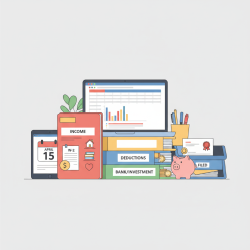
Building an Intuitive and Efficient Filing System
- -->> 2. Building an Intuitive and Efficient Filing System
What you'll learn
 Document ManagementDigital OrganizationPhysical Filing StrategiesSystem Maintenance
In an increasingly data-rich world, both personal and professional lives often feel overwhelmed by a constant influx of documents, emails, and digital assets. Without a robust and intuitive system, finding crucial information can become a frustrating, time-consuming ordeal. Establishing an efficient filing system, encompassing both physical papers and digital files, is not merely about tidiness; it's about reclaiming your time, reducing stress, and significantly boosting your overall productivity. This article will guide you through creating a filing system that is easy to understand, simple to maintain, and ensures swift access to everything you need.
The Foundation: Why Organize?
Before diving into the mechanics of organization, it's essential to understand the profound benefits a well-structured filing system offers. Beyond the aesthetic appeal of a tidy desk or a clean desktop, the advantages are tangible and far-reaching.
- Time Savings: Imagine the minutes, or even hours, you've spent searching for a misplaced invoice, a critical report, or that one important photo. An organized system eliminates this wasted time, allowing you to focus on more meaningful tasks.
- Reduced Stress: The anxiety associated with disorganization can be immense. Knowing exactly where to find what you need provides a significant sense of calm and control.
- Enhanced Productivity: With instant access to information, decision-making becomes faster and more informed. Projects flow smoother, and deadlines are met with greater ease.
- Improved Security: Properly filed documents, especially sensitive ones, are less likely to be misplaced or fall into the wrong hands. Digital files benefit from structured storage and regular backups.
Ultimately, an effective filing system serves as the bedrock for a more efficient, less stressful existence.
Core Principles of an Effective System
Regardless of whether you are organizing physical documents or digital files, several universal principles underpin any successful filing system.
Simplicity: The system should be straightforward enough for anyone to understand and use, especially yourself months or years down the line. Avoid overly complex categories or convoluted naming conventions.
Consistency: This is perhaps the most critical principle. Once you establish a method for naming, categorizing, and storing, stick to it. Consistency prevents confusion and ensures predictability in file retrieval.
Accessibility: The goal is easy access. Files should be stored in a location that makes sense for how often you need them, whether it's an easily reachable drawer or a clearly bookmarked digital folder.
Action-Oriented: Think about the purpose of each document or file. Does it require action? Is it for reference? Is it to be archived? Categorize based on its next intended use.
Comprehension questions
 What are the four core principles of an effective filing system mentioned in the article?Why is consistency considered the most critical principle for both physical and digital filing systems?What initial step is recommended before organizing physical documents?How does the article suggest approaching naming conventions for digital files to ensure easy searchability?
Review Quiz
Next Lesson

Course Contents : Essential Record-Keeping for Small Businesses
- >> 2.
 Building an Intuitive and Efficient Filing System