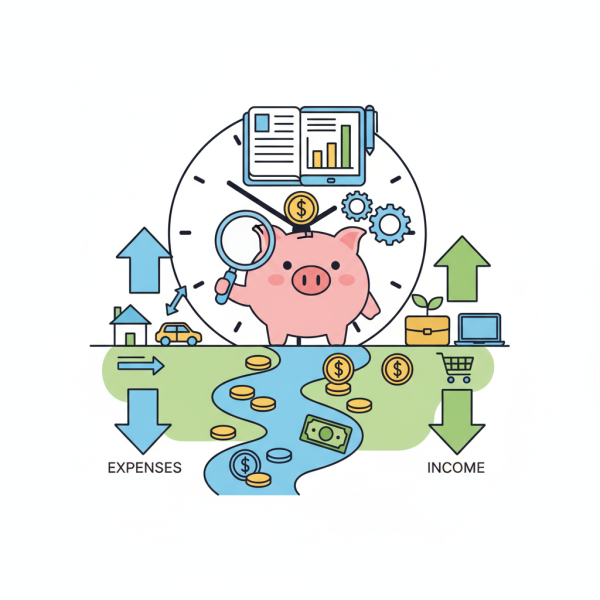
Simple Income and Expense Tracking Techniques
- -->> 3. Simple Income and Expense Tracking Techniques
What you'll learn
 Income Tracking MethodsExpense CategorizationDigital Financial ToolsRegular Financial Review
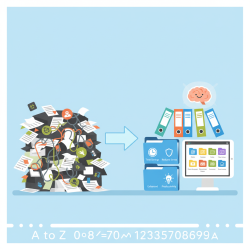
Achieving accurate financial oversight throughout the year might seem like a daunting task, often associated with complex spreadsheets or tedious data entry. However, the truth is that mastering your personal or business finances can be remarkably simple with the right techniques. By consistently tracking every dollar that comes in and goes out, you gain an unparalleled understanding of your financial health, empowering you to make informed decisions, reach your financial goals, and prepare confidently for the future. This article will guide you through straightforward methods to keep a vigilant eye on all your income and expenses, ensuring complete clarity and control over your financial journey.
The Foundation: Why Track Every Dollar?
Understanding where your money goes and where it comes from is the cornerstone of effective financial management. Without this clarity, budgeting becomes guesswork, savings goals remain elusive, and financial stress can escalate. Consistent tracking provides a real-time snapshot of your financial landscape.
The benefits extend beyond mere awareness. It helps in identifying unnecessary spending, optimizing savings strategies, accurately preparing for tax season, and building a solid foundation for future investments. It transforms abstract financial concepts into actionable insights.
Choosing Your Tracking Method
The first step to successful tracking is selecting a method that suits your lifestyle and commitment level. There isn't a one-size-fits-all solution, but rather a spectrum of options ranging from the extremely simple to the technologically advanced.
Manual Methods:
- Notebook and Pen: This is the simplest, most direct approach. Jot down every transaction as it happens. It's tactile, requires no technology, and can be very effective for those who prefer physical records.
- Spreadsheets (Excel, Google Sheets): Offers more structure than a notebook. You can create columns for date, description, category, income, and expense. Spreadsheets allow for basic calculations, categorization, and the creation of simple charts to visualize data. They provide a good balance between manual input and digital organization.
Digital Methods:
- Budgeting Apps: Many mobile applications are designed specifically for income and expense tracking. These often link directly to your bank accounts and credit cards, automatically importing transactions and categorizing them. Examples include Mint, YNAB (You Need A Budget), Personal Capital, and PocketGuard.
- Financial Software: Programs like QuickBooks (for small businesses) or Quicken offer comprehensive features for tracking, budgeting, and financial reporting. They are more robust than simple apps and can handle complex financial situations.
The best method is the one you will use consistently. Start with what feels manageable and consider upgrading as your comfort and needs evolve.
Simple Techniques for Income Tracking
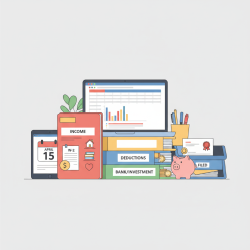
Tracking income needs to be as diligent as tracking expenses. Every source of money entering your accounts should be recorded. This includes your primary salary, freelance payments, investment dividends, side hustle earnings, or even gifts.
For salaried individuals, income tracking is relatively straightforward. Record your net pay (after taxes and deductions) and the date received. If you have multiple income streams, create separate entries for each. The key is to capture the "when" and "how much" for every deposit.
Consider setting up recurring entries for predictable income sources in your chosen tracking tool. For variable income, such as freelance work, record each payment individually as soon as it clears. This ensures you have a complete picture of your earnings throughout the year.
Simple Techniques for Expense Tracking
Expenses are where most people lose track. The sheer volume of daily transactions can feel overwhelming, but a systematic approach makes it manageable. The most crucial technique here is categorization.
Start by dividing your expenses into broad, meaningful categories. This allows you to see where your money is actually going. Common categories include:
- Housing (rent/mortgage, utilities)
- Transportation (fuel, public transport, car maintenance)
- Food (groceries, dining out)
- Personal Care (haircuts, toiletries)
- Entertainment (movies, hobbies, subscriptions)
- Debt Payments (credit cards, loans)
- Savings/Investments
- Miscellaneous
For every purchase, no matter how small, make a habit of logging it immediately. This prevents forgetfulness. If you use a manual method, carry a small notebook or use your phone's notes app. If you use a digital app, most allow quick entry on the go or automatically import transactions.
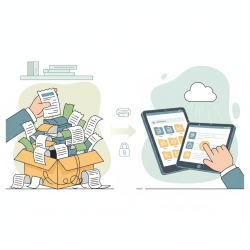
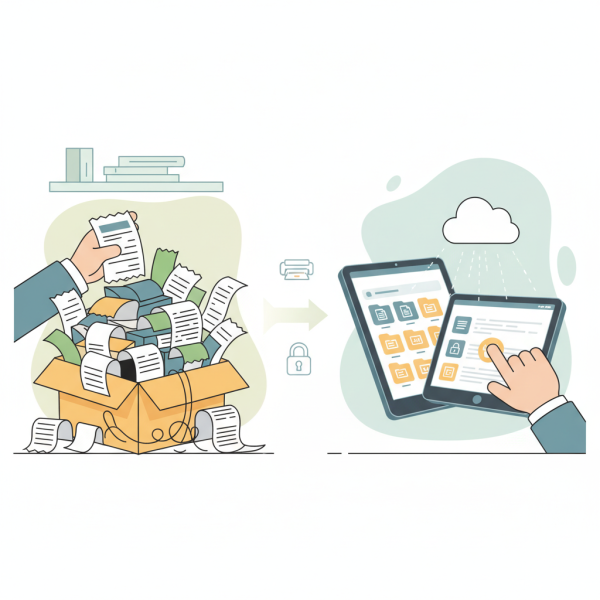
Keep your receipts, at least until you've logged the transaction. For larger purchases, or for tax purposes, consider scanning and digitizing receipts to reduce clutter and create a backup. Many apps offer receipt-scanning features.
The Power of Regular Review
Tracking is only half the battle; the other half is reviewing your data. This is where the true financial oversight emerges. Schedule regular check-ins – weekly, bi-weekly, or monthly – to analyze your income and expense reports.
During these reviews, ask yourself:
- Are you staying within your budget?
- Are there any unexpected spending patterns?
- Are you on track to meet your savings goals?
- Are there areas where you can reduce expenses or increase income?
Regular reviews allow you to catch issues early, adjust your spending habits, and make necessary financial pivots. They transform raw data into actionable intelligence, ensuring you remain proactive rather than reactive in your financial management.
Leveraging Technology for Simplicity
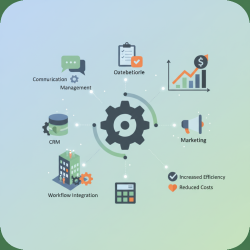
While manual methods offer control, modern technology can significantly simplify and streamline the tracking process. Budgeting apps and software often feature:
- Automatic Transaction Import: Connects to your bank and credit card accounts to automatically pull in transactions, reducing manual data entry.
- Smart Categorization: Uses algorithms to suggest or automatically assign categories to transactions, which you can then review and adjust.
- Budgeting Tools: Helps set spending limits for categories and alerts you when you're approaching or exceeding them.
- Reporting and Visualization: Generates charts and graphs to illustrate your financial flow, making it easier to understand trends and identify areas for improvement.
Embracing these tools can save time, improve accuracy, and provide deeper insights with minimal effort, making comprehensive financial oversight more accessible than ever.
Summary
Achieving accurate financial oversight throughout the year is an attainable goal through the consistent application of simple income and expense tracking techniques. By understanding the importance of tracking, choosing a suitable method—whether manual or digital—and diligently recording all income and expenses, individuals gain invaluable clarity. Categorizing expenses, making a habit of immediate logging, and regularly reviewing financial data are critical steps. Leveraging modern technology can further simplify this process, providing automated insights and streamlining management. Ultimately, consistent tracking and review empower informed financial decisions, leading to greater financial stability and success.
Comprehension questions
 What are two main benefits of consistently tracking income and expenses?What are the main differences between manual and digital tracking methods discussed in the article?Why is categorizing expenses considered a crucial technique for effective financial oversight?How often does the article recommend reviewing financial data for optimal financial management and what insights can be gained from it?
Community Poll
Next Lesson
Course Contents : Essential Record-Keeping for Small Businesses
- >> 3.
 Simple Income and Expense Tracking Techniques