Preparing For Tax Season
- -->> 6. Preparing For Tax Season
What you'll learn
 Systematic Record KeepingEssential Document IdentificationChoosing Organizational MethodsYear-Round Financial Habits
The annual arrival of tax season can often be a source of significant stress and anxiety for many individuals and businesses. The daunting task of sifting through a year's worth of financial transactions, receipts, and statements can feel overwhelming, leading to last-minute scrambles and potential errors. However, by adopting a systematic approach to organizing your financial records throughout the year, you can transform this typically stressful period into a manageable and even confident endeavor. This proactive strategy not only reduces the burden when tax deadlines loom but also minimizes the chances of mistakes, ensuring a smoother and more accurate filing process.
The Foundation: Why Organization Matters
Effective financial organization is the bedrock of stress-free tax preparation. Without a clear system, you risk misplacing crucial documents, forgetting eligible deductions, or even missing filing deadlines. The time saved from not having to search frantically for paperwork can be better spent verifying accuracy or exploring additional tax-saving opportunities. Moreover, a well-organized set of records provides an immediate, clear picture of your financial health, empowering you to make informed decisions year-round.
Consider the alternative: a haphazard pile of receipts, unfiled bank statements, and forgotten investment reports. This scenario not only makes tax preparation a nightmare but also increases the likelihood of errors that could trigger an audit. Proactive organization is a powerful shield against such potential pitfalls.
Key Financial Documents to Gather
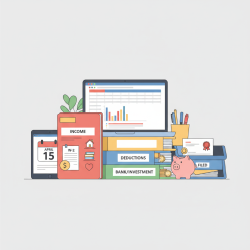
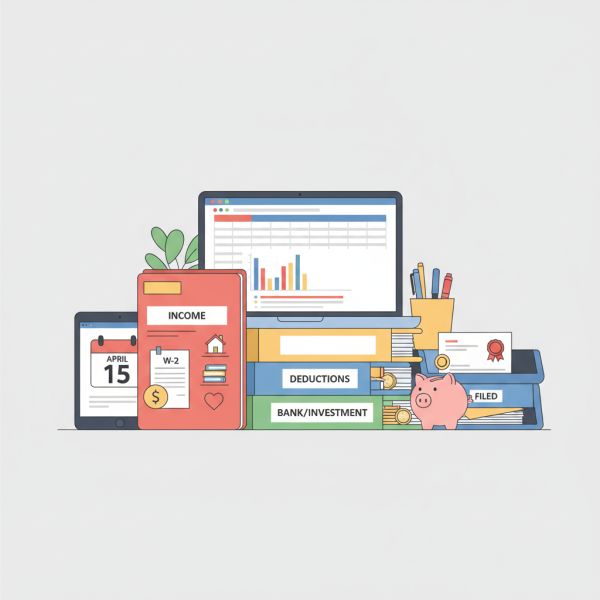
Knowing what to gather is the first step in effective organization. While individual circumstances vary, certain documents are universally essential for tax preparation. Begin by identifying these core items early in the year, or as they become available.
- Income Statements: W-2s for employees, 1099 forms (1099-NEC, 1099-MISC, 1099-INT, 1099-DIV, etc.) for freelancers, contractors, and investment income.
- Proof of Deductions and Credits:
- Mortgage interest statements (Form 1098).
- Property tax statements.
- Student loan interest statements (Form 1098-E).
- Medical expense receipts (co-pays, prescriptions, procedures).
- Childcare expenses records.
- Charitable contribution receipts (cash and non-cash).
- Business expenses (for self-employed individuals): receipts for supplies, travel, home office, professional development.
- Retirement contributions (IRA, 401k statements).
- Bank and Investment Statements: Monthly or annual statements from checking, savings, brokerage, and retirement accounts.
- Prior Year Tax Returns: These serve as a valuable reference, especially for carrying forward losses or understanding recurring deductions.
- Identity Verification: Social Security numbers for all individuals listed on the return.
Remember to collect any other documents specific to your financial situation, such as records related to buying or selling a home, educational expenses, or significant life changes.
Setting Up Your Organization System
The best organization system is one you will consistently use. It should be simple, accessible, and tailored to your preferences. You generally have two main approaches:
Digital vs. Physical
Many people opt for a hybrid approach, but choosing a primary method can streamline your process.
Digital System:
Advantages: Environmentally friendly, easy to search, accessible from anywhere, less physical clutter, excellent for backup. Cloud storage options (like Google Drive, Dropbox, OneDrive) offer secure ways to store scanned documents. Dedicated financial software can also integrate document management.
Disadvantages: Requires regular scanning of physical documents, potential for data security concerns if not properly managed, dependence on technology.
Physical System:
Advantages: Tangible records, no need for scanning, familiar to many. A simple filing cabinet or accordion folder can be very effective.
Disadvantages: Prone to loss or damage (fire, flood), takes up physical space, harder to search quickly, requires secure physical storage.
Categorization Tips
Regardless of whether you go digital or physical, consistent categorization is key. Here are some effective strategies:
By Type of Document: Create folders or digital labels for "W-2s/1099s," "Bank Statements," "Mortgage/Property Tax," "Medical Expenses," "Charitable Donations," etc. This makes it easy to pull all related documents at once.
By Month/Quarter: For businesses or individuals with frequent transactions, organizing by month or quarter within broader categories can provide a chronological overview. For example, "Q1 Business Expenses."
By Income/Expense Category: If you track your budget, align your tax organization with your budgeting categories (e.g., "Transportation Expenses," "Utilities," "Investment Income").
The goal is to establish a system early and stick with it. Label everything clearly and consistently.
Maintaining Your System Year-Round
The true power of systematic organization comes from its continuous application, not just a frantic pre-tax season sprint. Make record-keeping a regular habit:
- As soon as you receive a W-2, 1099, or other official tax document, file it immediately in its designated spot.
- Scan or file receipts for deductions as they occur, perhaps weekly or monthly. Don't let them accumulate in a shoebox.
- Review bank and credit card statements regularly to catch errors and identify potential deductible expenses you might have forgotten.
- Keep a running log of significant financial events throughout the year, such as home improvements, major purchases, or changes in employment, as these can have tax implications.
This ongoing maintenance turns a massive annual chore into a series of small, manageable tasks.
Benefits Beyond Tax Season
While the primary motivation for systematic financial record organization is often tax season, the advantages extend far beyond the April 15th deadline. Having an organized financial life provides clarity and control over your money. It allows for easier budget tracking, better financial planning, and a quicker response to any unexpected financial review or opportunity. Need to apply for a loan? All your financial details are at your fingertips. Curious about your spending habits? Your categorized records provide immediate insights. It fosters a general sense of financial well-being and reduces overall stress related to money management.
Summary
Preparing confidently for tax season begins with a commitment to systematic financial record organization. By understanding which key documents are needed, establishing a consistent digital or physical filing system, and maintaining it diligently throughout the year, individuals and businesses can significantly reduce stress and minimize errors. This proactive approach not only streamlines tax preparation but also provides broader benefits, fostering greater financial control and peace of mind year-round. Start today to ensure a smoother, more confident tax experience.
Comprehension questions
 What are the primary benefits of systematically organizing financial records before tax season?Name at least three types of essential documents that should be gathered for tax preparation.What are the advantages and disadvantages of using a digital vs. a physical record-keeping system?How can maintaining organized financial records year-round provide benefits beyond just tax season?