Navigating Permits, Licenses, and Liability
- -->> 8. Navigating Permits, Licenses, and Liability
What you'll learn
 Understanding Permits and LicensesTypes of Liability InsuranceCompliance ManagementRisk Mitigation Strategies
Embarking on any business venture, regardless of its scale or industry, involves a complex web of legal and operational requirements. Overlooking these crucial considerations can lead to severe financial penalties, operational disruptions, and irreparable damage to a business's reputation. Among the most critical aspects are understanding and securing the necessary permits and licenses, alongside establishing robust liability insurance coverage. These elements form the bedrock of a legally compliant and resilient business, protecting it from unforeseen risks and ensuring its long-term viability. Navigating this landscape effectively is not merely a formality; it is an essential strategic endeavor for responsible business ownership and continuity.
The Foundation: Understanding Permits and Licenses
Permits and licenses are official authorizations issued by government bodies that grant a business the legal right to operate within a specific jurisdiction or engage in particular activities. They serve to protect the public's safety, health, and welfare, and to ensure that businesses adhere to established standards and regulations. The types and number of permits and licenses required can vary significantly based on the business's industry, location, and specific operations.
For instance, a retail store might need a general business license, a sales tax permit, and potentially a zoning permit to operate in a commercial area. A restaurant, on the other hand, would additionally require health permits, food handling certifications, and possibly a liquor license. Construction projects demand building permits, electrical permits, and plumbing permits to ensure safety and structural integrity. Understanding which authorizations apply to your unique business model is the first and most crucial step.
The process typically involves researching federal, state, and local requirements, completing detailed application forms, providing supporting documentation, and paying associated fees. This research phase is critical; many government websites offer comprehensive guides, and local chambers of commerce or small business administration offices can provide invaluable assistance. Neglecting to acquire the correct permits and licenses can result in hefty fines, forced closure, and legal action, underscoring the importance of thorough due diligence.
Navigating Liability Insurance
Beyond legal permits, a robust insurance strategy is indispensable for mitigating operational risks. Liability insurance is designed to protect businesses from financial losses arising from claims of negligence, bodily injury, property damage, or professional errors. It covers legal fees, court costs, and any settlements or judgments for which the business is found liable. Without adequate coverage, a single lawsuit could bankrupt even a well-established company.
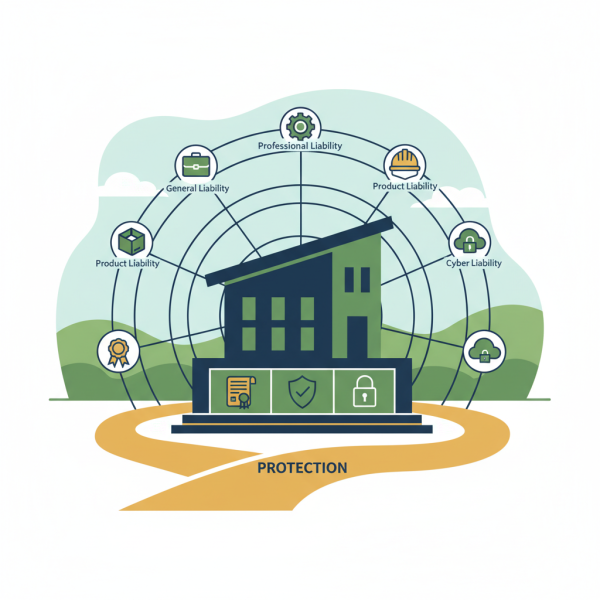
- General Liability Insurance: This foundational policy covers claims of bodily injury, property damage, personal injury (like libel or slander), and advertising injury that occur on your business premises or as a result of your business operations. It is often considered a baseline for most businesses.
- Professional Liability Insurance (Errors & Omissions - E&O): Essential for businesses offering professional services or advice, E&O covers claims of negligence, errors, or omissions in the professional services provided. Doctors, lawyers, consultants, and real estate agents often rely on this coverage.
- Product Liability Insurance: If your business manufactures, distributes, or sells products, this insurance protects against claims of injury or damage caused by a defective product.
- Workers' Compensation Insurance: Required by law in most states for businesses with employees, this covers medical expenses and lost wages for employees injured on the job, regardless of fault.
- Cyber Liability Insurance: With the increasing threat of data breaches and cyberattacks, this policy covers costs associated with data breaches, including notification costs, credit monitoring, legal fees, and regulatory fines.
Determining the appropriate types and levels of coverage requires a thorough assessment of your business's unique risk profile, industry standards, contract requirements, and financial capacity. Consulting with an experienced insurance broker is highly recommended to tailor a policy that effectively safeguards your assets and operations.
Compliance and Ongoing Management
Obtaining permits, licenses, and insurance policies is not a one-time task; it requires continuous attention and management. Businesses must establish systems to track expiration dates for licenses and permits, ensuring timely renewals to avoid lapses in compliance. Changes in business operations, expansion into new markets, or modifications to products and services may necessitate new or updated permits and licenses.
Similarly, insurance policies should be reviewed regularly, at least annually, to ensure they remain aligned with the evolving risks and needs of the business. As a business grows, hires more employees, acquires new assets, or expands its service offerings, its insurance requirements will likely change. Failing to update coverage could leave critical gaps, exposing the business to significant uninsured liabilities.
Maintaining accurate records of all permits, licenses, and insurance documents is also vital for demonstrating compliance during audits or in the event of a claim. Establishing a strong relationship with legal counsel and insurance professionals can provide invaluable guidance, helping businesses navigate complex regulatory landscapes and make informed decisions about risk management. Proactive management of these legal and insurance considerations fosters a stable and secure operational environment.
Summary
Effectively navigating the complex landscape of legal and insurance considerations is paramount for any successful business. This article emphasized the critical importance of understanding and securing appropriate permits and licenses, which serve as foundational legal authorizations for operation and vary significantly by industry and location. It also detailed the necessity of robust liability insurance, explaining various types such as General Liability, Professional Liability, Product Liability, Workers' Compensation, and Cyber Liability, each designed to mitigate specific risks. Finally, the discussion highlighted that compliance is an ongoing process, requiring continuous management, regular reviews of policies, and proactive adjustments to ensure continued legal adherence and comprehensive risk protection against the ever-evolving operational challenges businesses face.
Comprehension questions
 What are the primary purposes of permits and licenses for a business?Name and briefly describe three different types of liability insurance mentioned in the article.Why is regular review and updating of permits, licenses, and insurance policies important for businesses?What are some potential consequences of failing to acquire the correct permits and licenses for a business?
Community Poll
Next Lesson
Course Contents : Running a Local Handyman Business
- >> 8.
 Navigating Permits, Licenses, and Liability