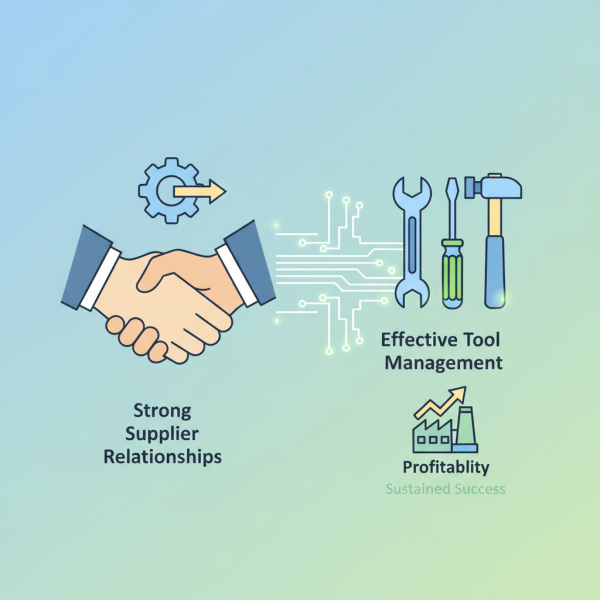
Supplier Relationships and Effective Tool Management
- -->> 9. Supplier Relationships and Effective Tool Management
What you'll learn
 Building Supplier PartnershipsStrategic Material SourcingProactive Tool MaintenanceOperational Integration
Achieving operational excellence hinges on two critical pillars: forging robust supplier relationships and implementing highly effective tool management strategies. These interconnected disciplines are not merely administrative tasks but strategic imperatives that directly influence an organization's efficiency, product quality, cost structure, and overall profitability. From securing high-quality raw materials to ensuring that every piece of equipment operates at peak performance, a synchronized approach to sourcing and maintenance is essential for sustained success and innovation.
The Foundation of Strong Supplier Relationships
Strong supplier relationships extend far beyond transactional interactions. They are partnerships built on mutual trust, transparency, and a shared commitment to quality and efficiency. Establishing such relationships involves consistent effort and strategic communication.
Open and honest communication is paramount. Regular dialogues about future needs, potential challenges, and performance expectations help preempt issues and foster a collaborative environment. Transparency in operations and demand forecasting allows suppliers to better plan their production and delivery schedules, ensuring a stable supply chain.
Performance evaluation is another key component. Regularly assessing supplier performance against agreed-upon metrics such as quality, delivery timeliness, cost-effectiveness, and responsiveness provides a structured way to manage expectations and drive continuous improvement. Feedback should be constructive and reciprocal, encouraging suppliers to also provide insights that could benefit your operations.
- Establish clear communication channels.
- Share long-term demand forecasts.
- Implement consistent performance reviews.
- Foster a culture of mutual respect and problem-solving.
Strategic Sourcing of Materials
Strategic sourcing is more than just finding the lowest price; it's about identifying suppliers that offer the best value proposition, considering quality, reliability, and long-term partnership potential. A well-defined sourcing strategy minimizes risks and optimizes material availability.
When selecting suppliers, a comprehensive evaluation is critical. Factors such as a supplier's reputation, financial stability, quality control processes, production capacity, lead times, and ethical practices must be thoroughly vetted. Relying on a single supplier for critical materials can be risky; diversifying your supplier base can mitigate potential disruptions.
Negotiation strategies should aim for win-win outcomes. While cost is important, focus also on terms that ensure consistent quality, flexible delivery options, and mechanisms for addressing unforeseen issues. Long-term contracts with favorable terms can stabilize costs and secure supply.
Risk management in sourcing involves identifying potential vulnerabilities in the supply chain, such as geopolitical instability, natural disasters, or supplier financial distress. Developing contingency plans, such as maintaining buffer stock or having alternative suppliers ready, is crucial for business continuity.
Effective Tool Management Strategies
Effective tool management is vital for maintaining productivity, ensuring safety, and extending the lifespan of valuable equipment. It encompasses everything from procurement to maintenance and eventual replacement.
A robust inventory control system for tools is fundamental. Knowing what tools you have, where they are located, and when they were last serviced or calibrated prevents costly downtime searching for misplaced items or using faulty equipment. Implementing a check-in/check-out system can significantly improve accountability.
Preventative maintenance schedules are indispensable. Rather than waiting for tools to break down, regular inspections, lubrication, cleaning, and part replacements can dramatically reduce unexpected failures. This proactive approach minimizes disruption, saves on emergency repair costs, and ensures tools are always ready for use.
Calibration and quality assurance are particularly important for precision tools. Regular calibration against known standards ensures accuracy and compliance with industry regulations. Implementing quality checks on tools after maintenance or repair guarantees they perform to specification before being returned to service.
Employee training on proper tool usage and basic maintenance is equally important. Operators who understand how to use and care for tools correctly can prevent damage, improve safety, and identify potential issues early. This knowledge empowers the workforce and contributes to overall operational efficiency.
- Implement a comprehensive tool inventory system.
- Schedule regular preventative maintenance and inspections.
- Calibrate precision tools consistently for accuracy.
- Train staff on correct tool usage and care.
Integrating Supplier Relationships with Tool Management
The true power of these two disciplines emerges when they are integrated. Strong supplier relationships directly impact the quality and timely delivery of spare parts and new tools, which in turn enhances effective tool management. A supplier that understands your maintenance schedule can anticipate your needs for replacement parts, reducing lead times and inventory costs.
Technology plays a crucial role in this integration. Enterprise Resource Planning (ERP) systems, Computerized Maintenance Management Systems (CMMS), and Supply Chain Management (SCM) software can link purchasing, inventory, and maintenance data. This connectivity provides a holistic view, enabling better forecasting for tool and part requirements, optimizing purchasing decisions, and streamlining maintenance workflows.
Continuously improving both supplier relationships and tool management processes should be an ongoing endeavor. Regularly reviewing data, soliciting feedback from both internal teams and suppliers, and adapting to new technologies or market conditions ensures that your operations remain agile and competitive. This cyclical approach fosters resilience and drives long-term growth.
Summary
In conclusion, the strategic management of supplier relationships and effective tool management are foundational for operational success. Building strong, collaborative partnerships with suppliers ensures a reliable and high-quality material supply, while meticulous tool management practices guarantee equipment readiness, safety, and longevity. By integrating these two critical areas through clear communication, strategic sourcing, proactive maintenance, and leveraging technology, organizations can achieve greater efficiency, reduce costs, enhance product quality, and secure a sustainable competitive advantage in their respective industries.
Comprehension questions
 What are the key elements of building strong supplier relationships discussed in the article?Name three criteria that should be considered during the strategic sourcing of materials.What is the primary benefit of implementing preventative maintenance schedules for tools?How does the article suggest technology can integrate supplier relationships with tool management?
Review Quiz
Next Lesson

Course Contents : Running a Local Handyman Business
- >> 9.
 Supplier Relationships and Effective Tool Management