Identifying Ideal Customers and Service Areas
- -->> 2. Identifying Ideal Customers and Service Areas
What you'll learn
 Ideal Customer DefinitionCustomer Persona CreationService Area IdentificationMarket Research Methods
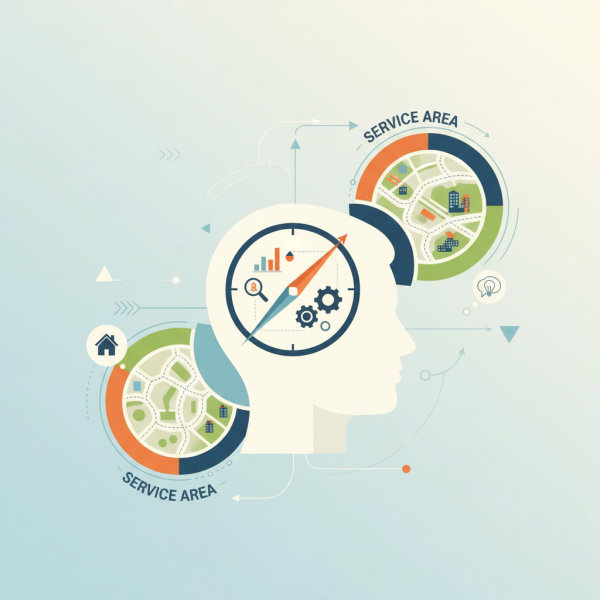
Achieving sustained success hinges on a fundamental understanding of who you serve and where you operate. Many entrepreneurs rush into developing products or services without first laying this critical groundwork, often leading to missed opportunities and wasted resources. Truly knowing your market, specifically identifying your ideal customer and defining your optimal service area, is not merely a preliminary step but an ongoing strategic imperative. It allows for the precise allocation of resources, the development of highly relevant offerings, and the crafting of marketing messages that genuinely resonate, ultimately paving the way for efficient growth and a strong market position. This foundational knowledge acts as a compass, guiding every decision from product development to promotional efforts.
The Core of Your Business: Defining Your Ideal Customer
Identifying your ideal customer is paramount. This isn't about casting a wide net in hopes of catching any fish; it's about targeting the specific audience most likely to value and purchase your product or service. A clear understanding of this demographic enables businesses to tailor their offerings and communications effectively, avoiding the costly mistake of trying to appeal to everyone.
Consider the various facets that define your ideal customer:
- Demographics: This includes age, gender, income level, education, occupation, marital status, and geographic location. These objective characteristics provide a basic framework for understanding who your potential customers are.
- Psychographics: Delve deeper into their lifestyle, values, attitudes, interests, and opinions. What motivates them? What are their aspirations and beliefs? Understanding these subjective traits helps you connect with customers on an emotional level.
- Behavioral Patterns: How do they interact with products or services like yours? What are their purchasing habits? Are they early adopters or late majority? What benefits do they seek, and what problems are they trying to solve?
- Pain Points and Needs: What challenges do your ideal customers face that your product or service can alleviate? What desires do they have that you can fulfill? Addressing these directly makes your offering indispensable.
By meticulously gathering and analyzing this information, you can begin to see a clear picture of the people who will not only buy from you but also become your most loyal advocates.
Beyond the Basics: Creating Customer Personas
Once you've gathered data on your ideal customer, the next step is to synthesize this information into detailed customer personas. A customer persona is a semi-fictional representation of your ideal customer, based on real data and educated guesses about demographics, behavior patterns, motivations, and goals. Giving your ideal customer a name, a backstory, and even a photo can bring them to life, making them feel more real to your marketing and sales teams.
Creating personas helps everyone in your organization, from product development to customer service, understand who they are building for and speaking to. This shared understanding ensures consistency in messaging and product features that truly meet customer needs. It transforms abstract data into relatable individuals, fostering empathy and precision in your business strategies.
Pinpointing Your Reach: Identifying Your Service Area
Just as important as knowing who your customer is, is knowing where you can effectively serve them. Defining your service area involves more than just drawing a circle on a map; it requires strategic consideration of various factors that impact your ability to deliver value and maintain profitability.
Factors influencing your optimal service area include:
- Geographic Concentration of Ideal Customers: Where do your identified ideal customers live or work? It makes little sense to establish a service presence where your target demographic is sparse.
- Logistics and Scalability: Can you efficiently deliver your product or service within this area? Consider shipping costs, travel time for service personnel, infrastructure requirements, and the ability to expand operations as demand grows.
- Market Saturation and Competition: Is the area already oversaturated with similar businesses? A highly competitive market might require a more differentiated offering or a smaller, more focused niche within that area. Conversely, an underserved area could present a significant opportunity.
- Local Regulations and Culture: Are there specific local laws, permits, or cultural norms that might impact your business operations or marketing efforts? Understanding the local landscape is crucial for seamless integration.
- Accessibility and Infrastructure: Do potential customers in this area have easy access to your physical location (if applicable) or to the necessary digital infrastructure to utilize your online services?
By carefully evaluating these points, you can establish a service area that is not only viable but also optimizes your operational efficiency and market penetration.
Data-Driven Decisions: Research Methods
Identifying your ideal customer and service area is not guesswork; it relies on robust data collection and analysis. Employing various research methods can provide the insights needed to make informed strategic decisions.
Effective research methods include:
- Surveys and Interviews: Direct engagement with potential and existing customers can reveal their preferences, pain points, and expectations. Structured surveys offer quantitative data, while in-depth interviews provide qualitative insights.
- Focus Groups: Bringing together a small group of target customers for a guided discussion can uncover nuanced perspectives and group dynamics related to your product or service.
- Market Research Reports: Leverage existing industry reports, demographic data from government agencies, and consumer behavior studies from research firms. These secondary sources can provide a broad overview and specific statistics.
- Competitor Analysis: Study your competitors to understand who they are targeting, what their service areas are, and what strategies they employ. This can highlight opportunities and potential gaps in the market.
- Website Analytics and Social Media Insights: For businesses with an online presence, analytics tools can offer valuable data on visitor demographics, interests, and behavior, refining your ideal customer profile.
The more data you collect and analyze, the clearer your market understanding becomes, reducing risk and increasing the likelihood of successful market entry or expansion.
Adapting and Evolving: Continuous Market Understanding
The business world is rarely static. Consumer preferences shift, new technologies emerge, and economic conditions fluctuate. Therefore, understanding your market is not a one-time exercise but an ongoing process. Regularly reviewing and updating your ideal customer profiles and service area definitions is crucial for long-term relevance and sustained growth.
Establish feedback loops through customer service interactions, sales data analysis, and periodic market surveys. Monitor industry trends and competitor activities. By remaining agile and committed to continuous learning about your market, you can adapt your strategies proactively, ensuring your business remains aligned with customer needs and market realities, positioning you for enduring success.
Summary
In conclusion, a profound understanding of your market, encapsulated by the identification of your ideal customer and your optimal service area, forms the bedrock of sustainable business success. This article has explored the crucial elements of defining your ideal customer through demographics, psychographics, and behavioral patterns, and the subsequent creation of detailed customer personas to foster internal alignment. We also delved into the strategic considerations for pinpointing an effective service area, factoring in geographic concentration, logistics, market saturation, and local nuances. Furthermore, the importance of data-driven decisions through various research methods, from surveys to competitor analysis, was highlighted. Finally, the article emphasized that market understanding is an ongoing, adaptive process, requiring continuous review and evolution to maintain relevance and achieve enduring growth in an ever-changing business environment. Businesses that master these insights are better equipped to develop compelling offerings, craft impactful marketing, and allocate resources efficiently, leading to a strong competitive advantage.
Comprehension questions
 What are the key elements to consider when defining your ideal customer, beyond basic demographics?How do customer personas contribute to a business's internal alignment and strategic decision-making?What factors should a business evaluate when determining its optimal service area, and why are these important?Name three distinct research methods that can be employed to gather data for understanding your market.
Review Quiz
Next Lesson

Course Contents : Running a Local Handyman Business
- >> 2.
 Identifying Ideal Customers and Service Areas