Budgeting, Tracking Expenses, and Managing Cash Flow
- -->> 5. Budgeting, Tracking Expenses, and Managing Cash Flow
What you'll learn
 Budgeting StrategiesExpense Tracking TechniquesCash Flow ManagementFinancial Planning Review
Budgeting, Tracking Expenses, and Managing Cash Flow
Effective financial management is the cornerstone of personal and business stability. It’s not merely about having money, but about understanding where your money comes from, where it goes, and how to make it work for you. Mastering the core principles of budgeting, meticulously tracking your expenses, and strategically managing your cash flow are fundamental skills that empower individuals and organizations to achieve their financial goals, navigate economic challenges, and build a secure future. Without these essential practices, even substantial income can quickly dissipate, leading to financial stress and missed opportunities. This article will delve into each of these critical components, providing actionable insights to help you take control of your financial destiny.
The Foundation: Budgeting
A budget is more than just a list of numbers; it's a strategic plan for your money. It allocates your income to various expenditures, savings, and debt repayments, providing a clear roadmap for your financial journey. A well-constructed budget helps you prioritize spending, identify areas for reduction, and ensures you're living within your means.
What is a Budget?
Simply put, a budget is a quantitative expression of a plan for a defined period, typically monthly. It compares your anticipated income against your anticipated expenses. The primary goal is to ensure that your income exceeds or at least matches your outflows, allowing for savings and investment.
Types of Budgeting Methods
There isn't a one-size-fits-all approach to budgeting. Several popular methods cater to different preferences and financial situations:
- The 50/30/20 Rule: This simple framework allocates 50% of your after-tax income to needs (housing, utilities, food), 30% to wants (entertainment, dining out), and 20% to savings and debt repayment. It's a great starting point for many.
- Zero-Based Budgeting: Every dollar of income is assigned a specific job. This means your income minus your expenses, savings, and debt repayments should equal zero. This method requires meticulous planning but can be highly effective in maximizing every dollar.
- Envelope System: A physical or digital method where cash is allocated to specific spending categories (e.g., groceries, entertainment) at the beginning of the month. Once the money in an "envelope" is gone, you stop spending in that category until the next budgeting cycle.
Creating Your Budget
Building a budget involves a few key steps:
- Calculate Your Income: Determine your net income after taxes and deductions.
- List Your Fixed Expenses: These are expenses that typically remain the same each month, like rent/mortgage, loan payments, and insurance premiums.
- Estimate Your Variable Expenses: These fluctuate monthly, such as groceries, utilities, transportation, and entertainment. Review past bank statements to get accurate averages.
- Allocate Funds for Savings & Debt: Make savings and debt repayment a line item, treating them as essential expenses.
- Track and Adjust: Once your budget is set, consistently track your spending against it and be prepared to make adjustments as your financial situation or goals change.
Knowing Where Your Money Goes: Tracking Expenses
Budgeting provides the plan, but expense tracking provides the reality check. It's the process of diligently recording every dollar you spend. This step is crucial because it highlights discrepancies between your planned spending and actual spending, revealing where your money truly goes.
Importance of Expense Tracking
Without tracking, even the most carefully crafted budget is just theoretical. Expense tracking helps you:
- Identify overspending in specific categories.
- Spot unnecessary expenditures that can be cut.
- Understand your spending habits and patterns.
- Ensure you are sticking to your budget.
- Pinpoint areas where you can save more.
Methods for Tracking Expenses
Modern technology offers numerous ways to track expenses:
- Budgeting Apps: Many apps (e.g., Mint, YNAB, Personal Capital) link directly to your bank accounts and credit cards, automatically categorizing transactions.
- Spreadsheets: For those who prefer a hands-on approach, a simple spreadsheet in Excel or Google Sheets allows for complete customization and manual entry.
- Manual Ledgers/Notebooks: The classic pen-and-paper method still works for some, especially for managing cash transactions.
- Bank & Credit Card Statements: Regularly reviewing these statements can help identify larger expenses, though daily tracking offers more granular control.
Analyzing Your Spending
Collecting data is only half the battle. Regularly analyze your tracked expenses to find trends and areas for improvement. Are you consistently over budget on dining out? Is that daily coffee adding up more than you thought? This analysis fuels informed decisions for budget adjustments.
The Flow of Funds: Managing Cash Flow
Cash flow refers to the movement of money into and out of your accounts. Positive cash flow means more money is coming in than going out, while negative cash flow indicates the opposite. Effective cash flow management is vital for financial health, enabling you to meet obligations and fund future growth.
Understanding Cash Flow
Think of cash flow as the financial heartbeat of your personal or business finances. It's about liquidity – having enough accessible cash to cover your immediate needs and unexpected expenses. A healthy cash flow minimizes reliance on credit and prevents financial emergencies.
Strategies for Positive Cash Flow
Several strategies can help maintain and improve a positive cash flow:
- Build an Emergency Fund: Aim for 3-6 months' worth of essential living expenses saved in an easily accessible account. This acts as a buffer against unforeseen costs like job loss or medical emergencies.
- Minimize Debt: High-interest debt, particularly credit card debt, is a significant drain on cash flow. Prioritize paying down these balances to free up more money.
- Increase Income: Explore opportunities for additional income streams, such as a side hustle, freelance work, or negotiating a raise.
- Optimize Spending: Continuously look for ways to reduce recurring expenses, like negotiating bills, finding cheaper alternatives, or cutting subscriptions you don't use.
- Automate Savings: Set up automatic transfers from your checking to your savings account immediately after payday. This "pay yourself first" approach ensures consistent saving.
Forecasting Cash Flow
Forecasting involves anticipating future income and expenses. While more common in business, individuals can benefit by anticipating large upcoming expenses (e.g., car maintenance, vacation, holiday spending) and planning for them in advance. This proactive approach prevents surprises and helps you maintain control.
Bringing It All Together: Regular Review and Adjustment
Financial management is not a set-it-and-forget-it task. It requires ongoing attention and flexibility. Regularly reviewing your budget, expense tracking, and cash flow reports allows you to identify what's working and what isn't. Life changes – income levels, family situations, and financial goals evolve – and your financial plan must adapt accordingly. Set aside time each month to review your progress, celebrate successes, and make necessary adjustments to stay on track.
Summary
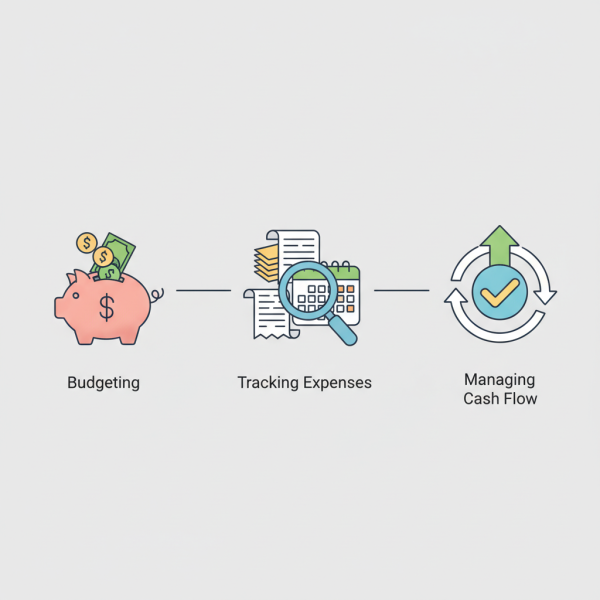
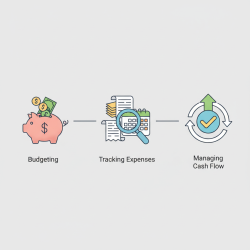
Effective financial management hinges on three interconnected pillars: robust budgeting, diligent expense tracking, and strategic cash flow management. Budgeting creates a detailed financial plan, allocating income to various categories to ensure fiscal responsibility and goal attainment. Expense tracking provides the necessary feedback, revealing actual spending patterns and highlighting areas for improvement or reduction. Finally, proactive cash flow management ensures liquidity, building a buffer against unforeseen events and fostering long-term financial stability. By consistently applying these essential practices and regularly reviewing your financial health, individuals and businesses can gain profound control over their money, paving the way for security, growth, and the realization of their financial aspirations.
Comprehension questions
 What are the three main components of effective financial management discussed in the article?Explain the primary difference between the 50/30/20 Rule and Zero-Based Budgeting.Why is diligent expense tracking considered crucial even after a budget has been created?List three strategies mentioned in the article for maintaining and improving positive cash flow.
Review Quiz
Next Lesson
Course Contents : Running a Local Handyman Business
- >> 5.
 Budgeting, Tracking Expenses, and Managing Cash Flow