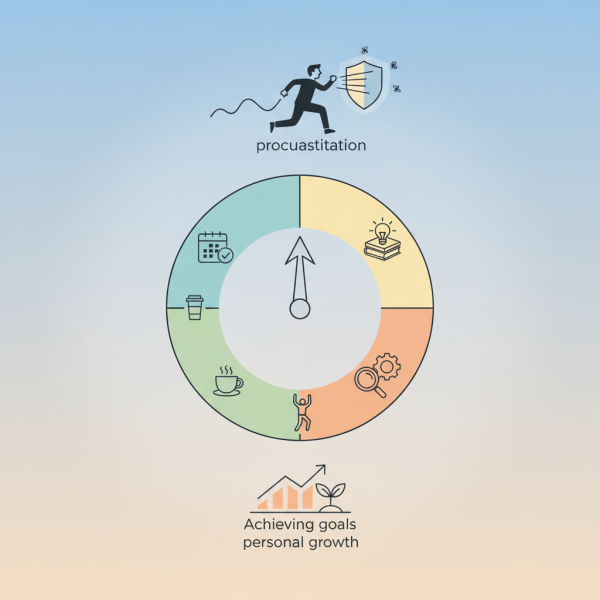
Strategies for Scheduling and Time Management
- -->> 6. Strategies for Scheduling and Time Management
What you'll learn
 Habit Analysis and Goal SettingEffective Scheduling TechniquesDistraction and Procrastination ManagementImportance of Breaks and Self-Care
Optimizing your daily routine for maximum efficiency is not just a productivity hack; it's a fundamental skill for achieving your goals, reducing stress, and reclaiming personal time. Effective scheduling and time management transform chaotic days into structured, productive endeavors, allowing you to focus on what truly matters. This guide explores practical strategies and mindsets to help you streamline your activities and harness your most valuable resource: time.
Understanding Your Current Routine
Before you can optimize, you must first understand. Begin by auditing your current daily routine without judgment. For one week, meticulously track how you spend your time. Note down every activity, from work tasks and meetings to breaks, commutes, and personal chores. This honest assessment will reveal hidden time sinks, areas of inefficiency, and peak productivity windows.
Ask yourself:
- Where do I consistently lose time?
- What tasks consume more time than anticipated?
- When am I most focused and energetic?
- Are there recurring distractions?
This data-gathering phase is crucial for identifying bottlenecks and opportunities for improvement.
Setting Clear Goals and Priorities
Efficiency without direction is merely busywork. The cornerstone of effective time management is having clear, actionable goals. Define what you want to achieve each day, week, and month. Prioritize these goals using a system like the Eisenhower Matrix, categorizing tasks into:
- Urgent and Important (Do first)
- Important but Not Urgent (Schedule)
- Urgent but Not Important (Delegate if possible)
- Not Urgent and Not Important (Eliminate)
Focusing on the "Important but Not Urgent" tasks is key to long-term success and proactive management, preventing them from becoming urgent crises.
Effective Scheduling Techniques
Time Blocking
Time blocking involves allocating specific blocks of time to specific tasks or categories of tasks in your calendar. Instead of having a long to-do list, your schedule becomes a series of appointments with yourself to complete work. This technique creates a structured environment, reduces decision fatigue, and ensures that important tasks receive dedicated attention. Be realistic with your time estimates and include buffers.
The Pomodoro Technique
For tasks requiring deep focus, the Pomodoro Technique is highly effective. It involves working in focused 25-minute intervals (called 'Pomodoros'), followed by a short 5-minute break. After four Pomodoros, take a longer break of 15-30 minutes. This method helps maintain concentration, prevents burnout, and makes daunting tasks seem more manageable by breaking them into smaller, focused sprints.
Batching Similar Tasks
Context switching, the act of moving from one type of task to another, is a significant efficiency killer. Batching involves grouping similar tasks together and completing them all at once. For example, answer all emails at specific times during the day, make all your phone calls back-to-back, or process all administrative paperwork in one dedicated session. This reduces the mental overhead of switching gears, leading to faster completion times.
Battling Procrastination and Distractions
Even the best schedule can be derailed by procrastination and distractions. To combat these:
- Identify Triggers: Understand what leads you to procrastinate or get distracted. Is it a difficult task, social media notifications, or environmental noise?
- Create a Distraction-Free Environment: Turn off non-essential notifications, close irrelevant browser tabs, and consider using website blockers during focused work periods.
- The Two-Minute Rule: If a task takes less than two minutes to complete, do it immediately. This prevents small tasks from piling up and becoming overwhelming.
- Break Down Large Tasks: Large, intimidating tasks are often a source of procrastination. Break them into smaller, manageable sub-tasks. Focusing on the first small step makes the overall task less daunting.
The Importance of Breaks and Self-Care
Optimizing efficiency is not about working non-stop; it's about working smarter. Regular breaks are essential for maintaining focus, preventing fatigue, and boosting creativity. Step away from your workspace, stretch, hydrate, or engage in a brief, enjoyable activity. Additionally, prioritize adequate sleep, healthy nutrition, and physical activity. These aren't luxuries; they are non-negotiable components of sustainable productivity and overall well-being. Burnout is the antithesis of efficiency.
Review and Adapt
Time management is not a one-time setup; it's an ongoing process of refinement. Regularly review your schedule and strategies. At the end of each day or week, reflect on what worked well and what didn't. Did you meet your goals? Were your time estimates accurate? Were there unexpected interruptions? Use these insights to adjust your approach. Flexibility is key; life is unpredictable, and your routine should be adaptable to changing circumstances and priorities. Continuous improvement ensures your system remains effective and tailored to your evolving needs.
Summary
Mastering scheduling and time management is crucial for transforming daily routines into highly efficient, goal-oriented endeavors. It begins with understanding your current habits, setting clear priorities, and then applying proven techniques like time blocking, the Pomodoro Technique, and task batching. Crucially, success also hinges on actively combating distractions and procrastination, while recognizing the vital role of regular breaks and self-care to prevent burnout. By consistently reviewing and adapting your strategies, you can maintain a flexible, optimized routine that supports sustained productivity and personal well-being.
Comprehension questions
 Why is auditing your current daily routine the first step in optimizing for efficiency?What are the three main effective scheduling techniques discussed in the article, and how does each work?Name two strategies mentioned for battling procrastination and distractions.According to the article, why are regular breaks and self-care considered essential for sustainable productivity?
Review Quiz
Next Lesson
Course Contents : Running a Local Handyman Business
- >> 6.
 Strategies for Scheduling and Time Management