The Power of Apps and Software in Business
- -->> 11. The Power of Apps and Software in Business
What you'll learn
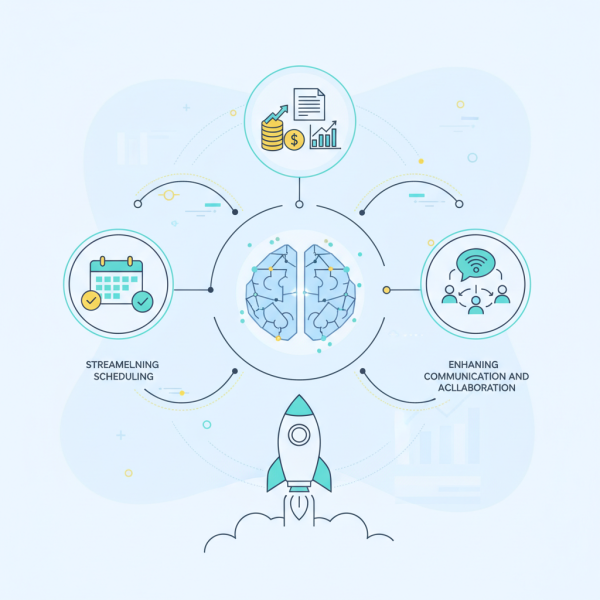
 Digital Scheduling SolutionsAutomated Invoicing SystemsEnhanced Communication PlatformsStrategic Technology Adoption
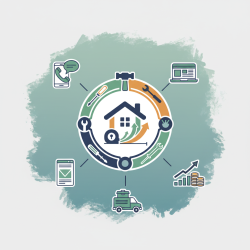
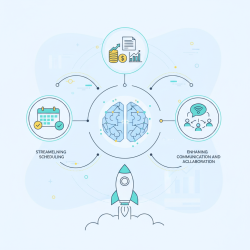
Leveraging technology is a necessity for staying competitive and efficient. Modern businesses, regardless of size, are discovering the immense benefits of integrating various applications and software solutions into their daily operations. These digital tools can fundamentally transform how tasks such as scheduling appointments, managing invoices, and facilitating internal and external communication are handled, leading to significant improvements in productivity, accuracy, and overall operational efficiency. Embracing these technological advancements allows organizations to streamline workflows, reduce manual errors, and free up valuable time for more strategic initiatives, ultimately fostering growth and enhancing client satisfaction.
Streamlining Scheduling with Digital Tools
Gone are the days of endless phone tag and manual calendar entries. Digital scheduling apps and software have revolutionized how appointments and meetings are managed. These tools provide a centralized platform for booking, tracking, and reminding participants about upcoming engagements.
- Automated Booking: Clients can view real-time availability and book appointments directly, eliminating the need for back-and-forth communication.
- Automated Reminders: Many platforms send automated email or SMS reminders to reduce no-shows and ensure everyone is prepared.
- Calendar Synchronization: Integrates seamlessly with popular calendar services like Google Calendar or Outlook, keeping all schedules up-to-date across devices.
- Resource Management: Some advanced systems allow for the booking of specific resources, rooms, or equipment alongside personnel, ensuring all necessary components are available.
By automating scheduling, businesses can significantly reduce administrative burdens, minimize errors, and provide a more convenient experience for their clients and employees alike. This automation also allows staff to focus on more critical tasks rather than repetitive scheduling efforts.
Efficient Invoicing and Financial Management
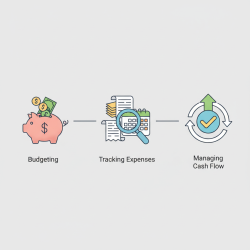
Managing finances, from creating invoices to tracking payments, can be a time-consuming and error-prone process if done manually. Specialized invoicing and accounting software offers robust solutions to automate and simplify these critical financial tasks.
These applications allow businesses to create professional, customizable invoices with ease. They often include features for tracking expenses, managing recurring billing, and automating payment reminders, which can dramatically improve cash flow and reduce overdue payments. Integration with banking services further streamlines reconciliation, offering a clear and up-to-date view of a company's financial health.
Key advantages of using invoicing software include:
- Professionalism: Generate polished, branded invoices that instill confidence in clients.
- Accuracy: Reduce human error in calculations and data entry.
- Faster Payments: Automated reminders and online payment options encourage prompt payment.
- Detailed Reporting: Gain insights into financial performance with customizable reports on sales, expenses, and profitability.
- Tax Preparation: Simplify tax season with organized records and categorized transactions.
By leveraging these tools, businesses can not only save time but also gain greater control over their financial operations, leading to better decision-making and improved fiscal stability.
Enhancing Communication and Collaboration
Effective communication is the backbone of any successful organization. Technology provides a myriad of tools to facilitate seamless internal and external communication, fostering better collaboration and stronger relationships.
For internal communication, team collaboration platforms like Slack or Microsoft Teams centralize discussions, file sharing, and project updates, reducing reliance on lengthy email chains. Video conferencing software such as Zoom or Google Meet enables virtual meetings, connecting remote teams and clients from anywhere in the world. These tools ensure that information flows freely and decisions are made efficiently.
When it comes to external communication, Customer Relationship Management (CRM) systems are invaluable. CRMs help businesses manage interactions with current and prospective customers, track sales leads, and provide personalized support. This leads to improved customer service and more targeted marketing efforts.
By adopting these communication technologies, businesses can:
- Improve team cohesion and productivity.
- Enhance responsiveness to client inquiries.
- Break down geographical barriers for collaboration.
- Maintain a comprehensive history of client interactions.
Choosing and Implementing the Right Technology
Selecting the appropriate apps and software requires careful consideration of a business's specific needs, budget, and existing infrastructure. It is crucial to research different solutions, read reviews, and ideally, take advantage of free trials to ensure compatibility and ease of use. Prioritize tools that offer integration capabilities, allowing different systems to communicate with each other seamlessly, thus preventing data silos and further streamlining workflows.
Implementation should be approached strategically, often starting with a pilot program or phased rollout. Training employees on new software is essential for successful adoption and maximizing the return on investment. Furthermore, regularly reviewing and updating technology solutions ensures they continue to meet evolving business demands.
Conclusion
Leveraging technology for scheduling, invoicing, and communication offers a transformative pathway for modern businesses aiming for higher efficiency and growth. By automating routine tasks, gaining clearer financial oversight, and enhancing connectivity, companies can not only save time and money but also deliver superior service and empower their teams. Embracing these digital tools is a strategic investment that paves the way for a more productive, organized, and successful future in an increasingly digital world.
Comprehension questions
 What are three key areas where technology can significantly benefit business operations according to the article?How do automated scheduling tools help reduce administrative burdens and improve client experience?What are some key advantages of using specialized invoicing software for financial management?Beyond internal communication, how can technology, specifically CRM systems, enhance external communication and client relations?
Community Poll
Next Lesson
Course Contents : Running a Local Handyman Business
- >> 11.
 The Power of Apps and Software in Business