Strategies for Sustainable Growth and Market Expansion
- -->> 12. Strategies for Sustainable Growth and Market Expansion
What you'll learn
 Business Assessment for GrowthProduct and Market ExpansionOperational Efficiency and ProductionFinancial Planning for Scaling
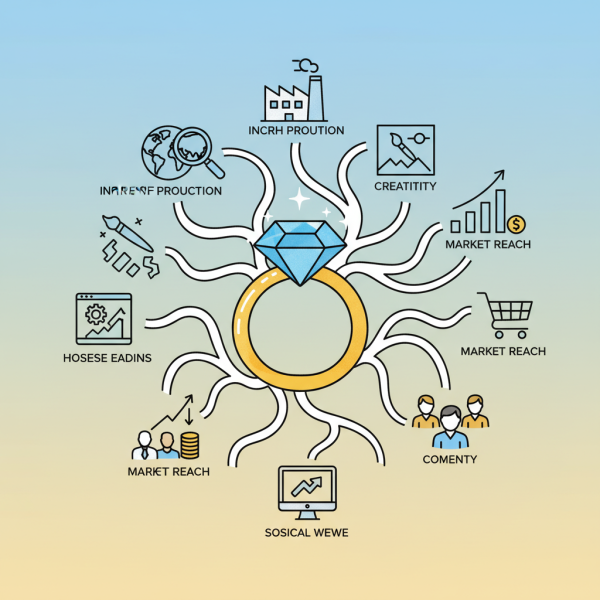
Building a custom jewelry business often begins with passion, creativity, and a deep connection to crafting unique pieces. However, as demand grows and aspirations expand, the need to scale becomes a critical next step. Scaling your custom jewelry business means moving beyond a purely artisanal approach to strategically increase production, broaden market reach, and enhance operational efficiency without compromising the bespoke quality that defines your brand. This lesson explores the multifaceted aspects of smart growth, identifying opportunities, and implementing strategies to transform a successful small enterprise into a thriving, larger venture while maintaining its core identity.
Assessing Your Current Business for Sustainable Growth
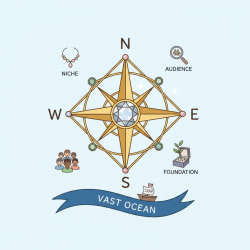
Before embarking on an aggressive growth strategy, it is imperative to conduct a thorough evaluation of your existing business model. Understanding your strengths, weaknesses, opportunities, and threats (SWOT analysis) will provide a clear roadmap. Analyze your current production capacity, supply chain reliability, existing customer base demographics, and brand perception. Consider what aspects of your business are currently limiting growth and what resources you possess that could be leveraged for expansion.
Key areas to assess include:
- Production Capacity: Can you produce more pieces without a significant drop in quality or an unsustainable increase in labor costs? Do you rely heavily on manual processes that could be partially automated or streamlined?
- Supply Chain: Are your material suppliers reliable? Do you have alternative sources? Are you getting competitive pricing that allows for increased margins at higher volumes?
- Customer Base: Who are your most loyal customers? What do they value most about your brand? How can you replicate this loyalty with a broader audience?
- Financial Health: Do you have sufficient capital or access to funding to invest in new equipment, marketing, or personnel? Understanding your cash flow and profitability is paramount.
Expanding Your Product Line and Market Reach
Growth often involves intelligently expanding what you offer and to whom you offer it. This doesn't necessarily mean abandoning your custom roots but rather finding complementary ways to grow. Consider introducing limited-edition collections, ready-to-wear lines that reflect your custom aesthetic, or even new product categories like accessories that align with your brand.
Diversifying your market reach is equally important. While direct-to-consumer online sales are crucial, explore wholesale opportunities with boutiques, participate in high-end craft fairs, or even consider pop-up shops in strategic locations. International markets might also present significant untapped potential, but require careful research into shipping, customs, and cultural preferences.
When expanding your product line, always keep your brand identity central. New offerings should feel like a natural extension of what your customers already love about your custom pieces, ensuring brand coherence and continued customer trust.
Optimizing Operations and Production for Scale
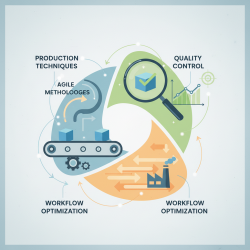
Efficiency is key to profitable scaling. Review your entire production process from design conception to final delivery. Look for bottlenecks and areas where automation or better organization can save time and reduce costs. This might involve investing in new tools, implementing more sophisticated inventory management software, or refining your workshop layout.
Consider outsourcing non-core activities like photography, marketing, or even certain stages of production (e.g., casting, stone setting) if it allows you to focus on your unique design and finishing expertise. Building a reliable team, whether employees or contractors, who can handle increased volume while maintaining quality standards is also vital.
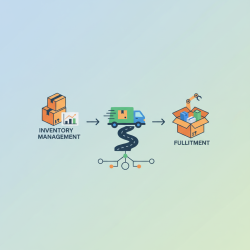
Effective inventory management prevents both overstocking and stockouts, ensuring you have materials when needed and finished pieces ready for sale without tying up excessive capital. Streamlined order fulfillment processes will enhance customer satisfaction as your volume increases.
Marketing and Brand Building for Wider Recognition
As you scale, your marketing strategies need to evolve. While word-of-mouth remains powerful for custom work, reaching a broader audience requires more structured approaches. Invest in professional branding that clearly communicates your unique selling proposition. This includes a cohesive visual identity across all platforms, from your website to social media.
Digital marketing becomes increasingly important. Utilize social media advertising, search engine optimization (SEO), and email marketing to reach new potential customers. Collaborate with influencers whose audience aligns with your brand. Tell your brand's story authentically; custom jewelry often has a powerful narrative behind it that resonates with buyers. Consider creating content that showcases your craftsmanship, design process, and the values embedded in your brand.
Financial Strategies for Sustained Growth
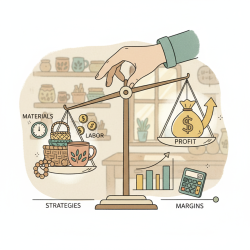
Scaling a business inevitably requires financial investment. Develop a detailed financial plan that outlines projected revenues, costs associated with expansion, and funding requirements. This might involve reinvesting profits, securing a business loan, or exploring crowdfunding specific to creative enterprises. Accurate pricing strategies are critical to ensure profitability at higher volumes, accounting for all production costs, overheads, and desired profit margins.
Monitor key financial metrics regularly to track performance and make informed decisions. Understanding your break-even point, customer acquisition cost, and lifetime value of a customer will guide your growth investments and help you identify if your scaling efforts are indeed leading to increased profitability and sustainability.
Summary
Scaling a custom jewelry business is an exciting yet challenging endeavor that demands strategic planning and adaptable execution. It involves a holistic approach, encompassing a thorough assessment of current operations, thoughtful expansion of product lines and markets, optimization of production processes, sophisticated marketing and brand building, and sound financial management. By meticulously addressing these areas, jewelers can successfully transition from a beloved niche artisan to a recognized and thriving brand, preserving the integrity and unique appeal of their custom creations while embracing new levels of success and influence within the industry.
Comprehension questions
 What are the key areas a custom jewelry business should assess before attempting to scale?How can a custom jewelry business expand its product line and market reach without losing its core identity?What operational improvements are vital for a custom jewelry business to handle increased production volume?What financial considerations are crucial for sustained growth in a custom jewelry business?
Community Poll
Next Lesson
Course Contents : Building Your Custom Jewelry Business
- >> 12.
 Strategies for Sustainable Growth and Market Expansion