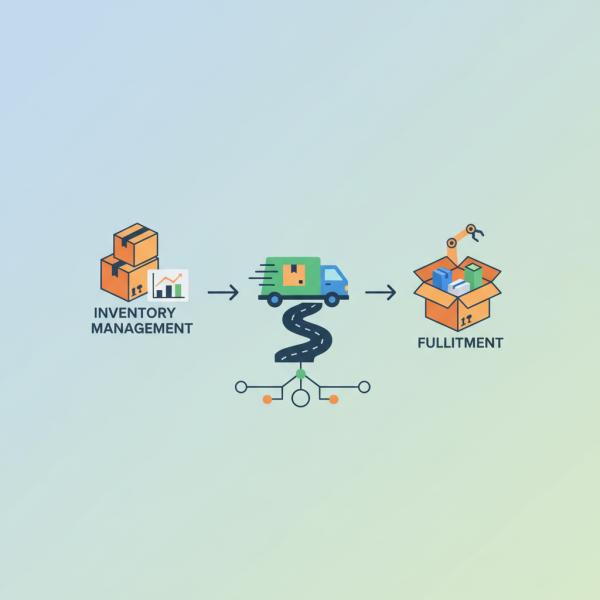
Optimizing Inventory, Shipping, and Fulfillment Processes
- -->> 10. Optimizing Inventory, Shipping, and Fulfillment Processes
What you'll learn
 Inventory Control StrategiesEfficient Shipping LogisticsStreamlined Order FulfillmentTechnology in Supply Chain
The smooth operation of any business, particularly in e-commerce, hinges on its ability to efficiently manage inventory, shipping, and fulfillment. These interconnected processes are the backbone of customer satisfaction and operational profitability. A well-orchestrated supply chain ensures products reach customers accurately and on time, minimizing costs and maximizing reputation. This lesson delves into the critical strategies and best practices for mastering these essential business functions.
Understanding Inventory Management
Effective inventory management is more than just counting stock; it's about having the right products in the right quantities at the right time. Poor inventory practices can lead to costly overstocking, which ties up capital, or frustrating stockouts, which result in lost sales and unhappy customers. Modern inventory systems leverage data analytics to forecast demand, track stock levels in real-time, and automate reorder points.
- Demand Forecasting: Predicting future customer demand using historical sales data, market trends, and promotional activities. Accurate forecasting minimizes both excess inventory and stockouts.
- Inventory Control Systems: Implementing systems like FIFO (First-In, First-Out), LIFO (Last-In, First-Out), or Just-In-Time (JIT) to optimize stock movement and reduce waste.
- Warehouse Organization: Designing an efficient warehouse layout, employing proper shelving, and using clear labeling systems to facilitate quick retrieval and accurate inventory counts.
- Regular Audits: Performing cycle counts or periodic physical inventories to verify data accuracy and identify discrepancies. This helps in maintaining precise stock records.
The Pillars of Effective Shipping
Shipping is a critical touchpoint in the customer journey, directly impacting satisfaction and brand loyalty. Efficient shipping processes involve choosing the right carriers, optimizing routes, and ensuring products are packed securely. Businesses must balance speed, cost, and reliability to meet customer expectations.
- Carrier Selection: Evaluating different shipping providers based on their service levels, costs, delivery times, tracking capabilities, and geographic reach. Often, a mix of carriers is used.
- Packaging Optimization: Selecting appropriate packaging materials and methods that protect products during transit while minimizing shipping weight and dimensions to control costs.
- Shipping Costs and Strategies: Understanding how shipping costs are calculated and implementing strategies such as flat-rate shipping, free shipping thresholds, or real-time calculated rates.
- Tracking and Communication: Providing customers with timely tracking information and proactive updates on their order status significantly enhances the post-purchase experience.
Mastering Fulfillment Processes
Fulfillment encompasses all the steps from when a customer places an order to when they receive it. This includes order processing, picking, packing, and dispatch. Streamlined fulfillment is crucial for speed, accuracy, and customer satisfaction.
- Order Processing: The initial step where orders are received, verified, and sent to the warehouse for action. This often involves integrating e-commerce platforms with inventory and warehouse management systems.
- Picking: Efficiently locating and retrieving items from inventory according to the order. This can involve various methods like batch picking, zone picking, or wave picking.
- Packing: Securely preparing items for shipment, which includes selecting the correct box, adding dunnage for protection, and including any necessary documentation or promotional materials.
- Dispatch and Returns Management: Handing off packed orders to carriers and having a clear, efficient process for managing product returns, including inspection, restocking, and refunds.
Technology and Automation in Logistics
Leveraging technology is no longer optional but a necessity for competitive businesses. Automation and specialized software solutions can significantly enhance efficiency, reduce errors, and provide valuable insights across inventory, shipping, and fulfillment operations.
- Warehouse Management Systems (WMS): Software that optimizes warehouse operations, from inventory tracking and order fulfillment to labor management and yard management.
- Order Management Systems (OMS): Platforms that centralize order information, track order status, and integrate with other systems like inventory and shipping.
- Shipping Software: Tools that compare carrier rates, print shipping labels, automate customs documentation, and provide advanced tracking features.
- Robotics and AI: Emerging technologies for automated picking, sorting, and packing in large fulfillment centers, further enhancing speed and accuracy.
Key Challenges and Solutions
Managing these complex processes comes with its share of challenges. Supply chain disruptions, rising shipping costs, and increasing customer expectations for fast delivery are constant pressures. Businesses must be agile and proactive. Solutions often involve diversifying suppliers, negotiating better carrier rates, investing in robust technology, and continuously optimizing processes based on performance data. Implementing robust quality control at each stage helps mitigate errors and ensures high customer satisfaction, reducing the need for costly returns and re-shipments.
Conclusion
Effectively managing inventory, shipping, and fulfillment processes is paramount to business success in today's dynamic market. By implementing robust inventory control, optimizing shipping strategies, streamlining fulfillment operations, and embracing technological advancements, businesses can enhance operational efficiency, reduce costs, and significantly improve customer satisfaction. A holistic and integrated approach to these logistical elements creates a resilient and responsive supply chain, positioning a business for sustainable growth and a competitive advantage.
Comprehension questions
 What are the primary challenges of poor inventory management, and how can they be mitigated?Name three key considerations for optimizing shipping processes to enhance customer satisfaction.Describe the essential components of an effective order fulfillment process from start to finish.How do Warehouse Management Systems (WMS) and Order Management Systems (OMS) contribute to efficient logistics?
Community Poll
Next Lesson

Course Contents : Building Your Custom Jewelry Business
- >> 10.
 Optimizing Inventory, Shipping, and Fulfillment Processes