Understanding Legal Registration and Protection
- -->> 11. Understanding Legal Registration and Protection
What you'll learn
 Choosing Business StructuresEssential Registrations and LicensesIntellectual Property ProtectionLegal Agreements and Insurance
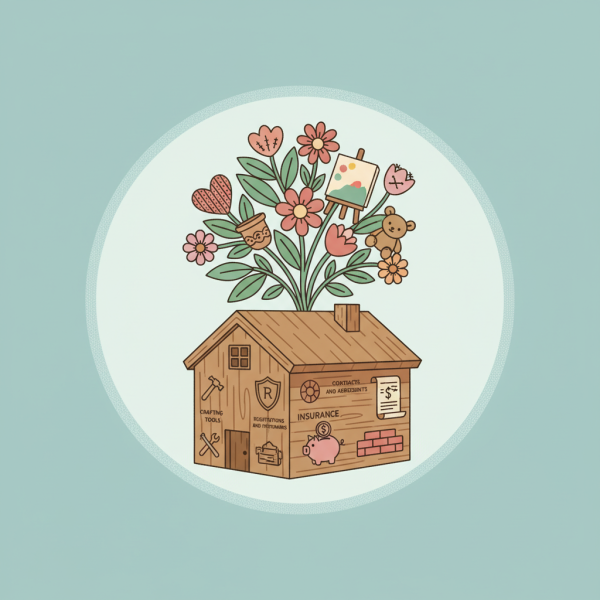
To ensure longevity, legitimacy, and protection for your enterprise, it is absolutely essential to understand and comply with the various legal aspects and business registration requirements. This lesson provides a comprehensive overview of the critical steps involved in setting up your craft business correctly, safeguarding your assets, and positioning yourself for sustained success in the marketplace. Ignoring these foundational elements can lead to costly penalties, legal disputes, and unnecessary stress down the road.
Understanding Business Structures
One of the first crucial decisions you'll make for your craft business is choosing the right legal structure. This choice impacts everything from your personal liability and tax obligations to administrative complexity. Consider your risk tolerance, growth aspirations, and whether you plan to have partners.
Sole Proprietorship
This is the simplest and most common structure for small craft businesses, often chosen when there is a single owner. It's easy to set up with minimal paperwork. Your business and personal assets are not legally separate, meaning you are personally liable for all business debts and obligations. Profits are reported on your personal income tax return.
Partnership
If you're starting your craft business with one or more individuals, a partnership might be suitable. Similar to a sole proprietorship, partners share profits, losses, and liabilities. It's highly recommended to have a comprehensive partnership agreement outlining responsibilities, profit distribution, and dispute resolution to prevent future conflicts.
Limited Liability Company (LLC)
An LLC offers a hybrid structure, combining the liability protection of a corporation with the pass-through taxation benefits of a sole proprietorship or partnership. Your personal assets are generally protected from business debts and lawsuits. It offers more flexibility than a corporation and is a popular choice for many small business owners, including crafters looking for personal asset protection.
Corporation (S-Corp or C-Corp)
A corporation is a more complex legal entity separate from its owners. It provides the strongest personal liability protection. However, it involves more intricate setup procedures, regulatory compliance, and typically higher administrative costs. C-Corps are subject to double taxation (corporate profits taxed, then dividends to shareholders taxed), while S-Corps allow profits and losses to be passed through directly to the owners' personal income without being subject to corporate tax rates.
Essential Registrations and Licenses
Once you've selected your business structure, the next step involves registering your business and obtaining the necessary licenses and permits. Requirements vary significantly based on your location and the nature of your craft.
- Federal Employer Identification Number (EIN): If you plan to hire employees, or operate as an LLC or corporation, you will need an EIN from the IRS. Even sole proprietors often obtain an EIN to keep their personal and business finances separate, or if they need to open a business bank account.
- State Business Registration: Most states require you to register your business name and structure with the Secretary of State or a similar government agency. This establishes your business as a legal entity within the state.
- Local Business Licenses and Permits: Your city or county may require general business licenses, zoning permits, or home occupation permits if you operate from home. Check with your local government offices for specific requirements.
- Sales Tax Permits: If you sell taxable goods, you will likely need to register for a sales tax permit with your state's Department of Revenue. This allows you to collect sales tax from customers and remit it to the state.
- Specific Craft Regulations: Certain crafts, especially those involving food, cosmetics, or children's products, may have additional health, safety, or labeling regulations. Research these thoroughly to ensure compliance.
Protecting Your Intellectual Property
Your unique designs, logos, and brand name are valuable assets that differentiate your craft business. Understanding intellectual property (IP) protection is critical to safeguard your creations.
Copyright
Copyright protects original works of authorship, such as literary, dramatic, musical, and artistic works. For crafters, this means your unique patterns, artistic designs, photographs, and written content (like blog posts or product descriptions) are protected. Copyright protection exists automatically upon creation, but formal registration with the U.S. Copyright Office provides stronger legal recourse in case of infringement.
Trademark
A trademark protects words, phrases, symbols, and/or designs that identify and distinguish the source of goods of one party from those of others. This applies to your business name, logo, and product names. Registering your trademark with the U.S. Patent and Trademark Office (USPTO) grants you exclusive rights nationwide and helps prevent others from using similar marks that could confuse customers.
Patent
While less common for most traditional crafts, a patent protects inventions, including new and useful processes, machines, manufactures, or compositions of matter. If your craft involves a truly innovative technique or a unique functional design for a product, you might explore patent protection, though it's typically a more complex and costly process.
Navigating Contracts and Legal Agreements
Formalizing your business relationships through written contracts is a professional best practice that protects both you and the other party. Clear agreements prevent misunderstandings and provide a legal framework for resolving disputes.
- Vendor Agreements: If you purchase raw materials or services from suppliers, a clear vendor agreement can outline terms, pricing, delivery schedules, and quality standards.
- Customer Terms of Service: For online sales, a terms of service page on your website sets expectations regarding shipping, returns, payment, and privacy policies. For custom orders, a written agreement detailing specifications, deadlines, and payment schedules is essential.
- Independent Contractor Agreements: If you hire other crafters, designers, or assistants on a project basis, an independent contractor agreement clearly defines their role, compensation, and intellectual property ownership for the work performed.
Securing Your Business with Insurance
Even with careful planning, unexpected events can occur. Business insurance provides a crucial safety net, protecting your assets and livelihood from various risks.
General Liability Insurance
This covers claims of bodily injury or property damage caused by your business operations, products, or services. If a customer slips and falls in your studio or if your product causes damage, general liability can cover legal fees and settlements.
Product Liability Insurance
Specifically designed for businesses that manufacture or sell products, this insurance protects you from claims arising from defects in your products that cause injury or property damage to others. This is particularly important for craft businesses creating items directly used or worn by consumers.
Property Insurance
If you operate from a dedicated studio or shop, property insurance covers damage to your business premises and contents due to events like fire, theft, or vandalism. Even home-based businesses should verify if their homeowner's policy covers business inventory and equipment or if a separate business policy is needed.
Conclusion
Establishing and growing a successful craft business involves more than just creative talent; it demands a solid understanding of its legal and administrative underpinnings. By carefully choosing your business structure, diligently completing necessary registrations and licenses, proactively protecting your intellectual property, utilizing clear contracts, and securing adequate insurance, you build a robust and resilient foundation. These steps are not mere formalities; they are critical investments in the long-term health, compliance, and peace of mind for you and your beloved craft enterprise. Take the time to implement these practices, and you'll be well-equipped to navigate the entrepreneurial landscape with confidence.
Comprehension questions
 What are the primary considerations when choosing a business structure for a craft business?Why is an EIN important for a craft business, even for a sole proprietor without employees?How do copyright and trademark protection differ, and why are both important for a craft entrepreneur?What types of insurance are highly recommended for a craft business, and what risks do they cover?
Community Poll
Next Lesson
Course Contents : Building Your Custom Jewelry Business
- >> 11.
 Understanding Legal Registration and Protection