
The Vital Importance of Keeping Good Records for Small Businesses
Course Details
Running a small business is often born from a passion—a love for craft, a commitment to service, or a breakthrough idea. However, the engine that keeps that passion moving isn't just your talent; it’s your data. Many entrepreneurs view record-keeping as a tedious chore to be tackled during tax season, but in reality, your records are the most powerful diagnostic tool you possess. They tell the story of where your money is going, which products are actually profitable, and where your business might be vulnerable to risks you can't yet see.
In this course, we move beyond the "shoebox of receipts" mentality. Good record-keeping is about more than staying compliant with the law—it’s about gaining financial clarity. When your records are organized and up-to-date, you stop managing by "gut feeling" and start making decisions based on hard evidence. You’ll find yourself better prepared for loan applications, more confident during audits, and, most importantly, equipped to scale your business with a clear understanding of your cash flow.
We’ve designed this curriculum to be practical and accessible, regardless of your comfort level with math or technology. Over the following lessons, we will bridge the gap between daily operations and long-term strategy. By the end of this course, you won't just be "doing the books"; you’ll be building a transparent, resilient framework that protects your hard work and paves the way for sustainable growth.
Course Contents (10 lessons)
- 1.
 Understanding legal and tax obligations requires meticulous business records, crucial for proving compliance, preventing penalties, and ensuring operational integrity and long-term business sustainability.
 - 2.
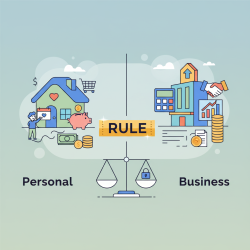 Maintaining distinct personal and business accounts is the financial "Golden Rule" for small businesses, ensuring clarity, simplifying taxes, enhancing professionalism, and providing crucial legal protection.
 - 3.
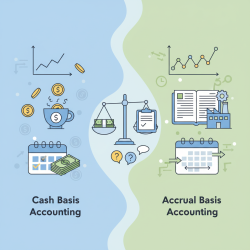 Deciding between cash and accrual accounting fundamentally shapes your financial reporting, tax liabilities, and the accurate portrayal of your business's profitability.
 - 4.
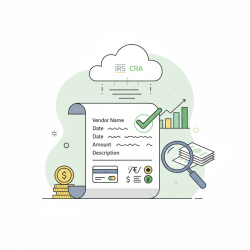 This guide details essential receipt information, satisfying IRS/CRA requirements for every expense, ensuring compliance, maximizing deductions, and preventing audits.
 - 5.
 Accurate revenue stream tracking is vital for business success, enabling informed decisions, financial stability, and growth through systematic record-keeping and leveraging modern tools.
 - 6.
 Mastering inventory and COGS management is essential for businesses to accurately track physical goods, understand true operational costs, and drive sustained profitability.
 - 7.
 Exploring the critical differences, advantages, and best practices for both digital and physical archiving strategies, this article guides organizations in securing valuable documents while ensuring their swift retrieval.
 - 8.
 Navigating payroll and personnel records is crucial for business compliance, efficient operations, and safeguarding employee data, encompassing everything from tax withholdings to meticulous documentation retention.
 - 9.
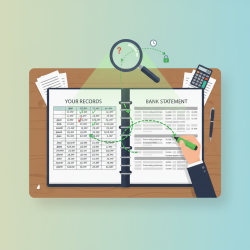 Systematically comparing internal records with bank statements is essential for financial health, enabling error detection, fraud identification, and precise financial management to ensure data integrity.
 - 10.
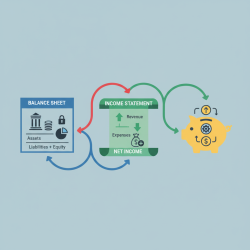 Mastering the Balance Sheet, Income Statement, and Cash Flow Statement is crucial for comprehending a company's financial health, performance, and liquidity.