Mastering Monthly Reconciliations for Financial Accuracy
- -->> 9. Mastering Monthly Reconciliations for Financial Accuracy
What you'll learn
 Financial Record VerificationError Detection StrategiesBank Statement AnalysisCash Flow Integrity
The Monthly Reconciliation: A Cornerstone of Financial Accuracy
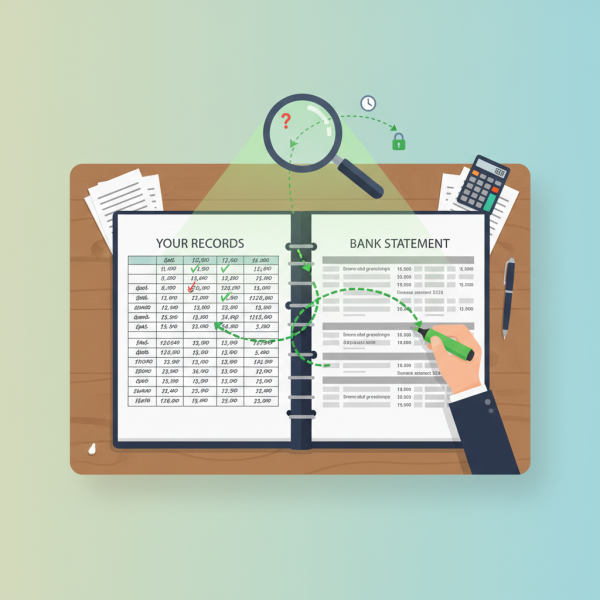
Monthly reconciliation is more than just a routine accounting task; it's a critical process that ensures the financial health and integrity of any business or personal finances. By meticulously comparing your internal financial records against your official bank statements, you gain invaluable insight into your cash flow, identify potential errors, detect fraudulent activity, and maintain an accurate financial picture. This systematic cross-referencing is essential for informed decision-making, accurate tax reporting, and building a foundation of trust in your financial data. Neglecting this vital step can lead to significant discrepancies, missed opportunities, and even serious financial mismanagement.
Understanding the Importance of Monthly Reconciliation
At its core, monthly reconciliation serves as a robust checkpoint. It verifies that every transaction recorded in your books—whether it's an expense, deposit, or transfer—matches what the bank has processed. This dual-entry verification system helps prevent a multitude of issues. For small businesses, it can mean the difference between correctly understanding profitability and making ill-informed investment decisions. For individuals, it ensures that budgets are accurate and spending is under control, preventing overdrafts or unexpected shortfalls. Beyond simple error detection, reconciliation strengthens your financial controls and provides a clear audit trail.
Gathering Your Tools: What You'll Need
Before you begin the reconciliation process, gather all necessary documents and tools. Organization is key to efficiency and accuracy.
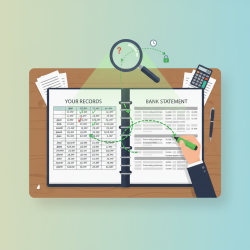
- Your Bank Statement: The official record of all transactions processed by your bank for the month. This includes deposits, withdrawals, checks cleared, electronic transfers, and any bank fees or interest earned.
- Your Internal Records: This could be a checkbook register, an accounting software ledger (like QuickBooks or Xero), a spreadsheet, or even a detailed manual ledger. It should contain all transactions you've initiated or recorded for the period.
- Previous Month's Reconciliation Report: This report details any outstanding items (deposits in transit, uncashed checks) that appeared on your books but not yet on the previous bank statement. These will be the first items you look for on the current statement.
- Calculator and Highlighters: Useful for manual calculations and marking off matched items.
The Step-by-Step Reconciliation Process
Follow these steps systematically to ensure a thorough reconciliation:
- Match Deposits: Start by comparing all deposits listed in your internal records with those on your bank statement. Mark off each matching item. Pay close attention to dates and amounts. A common discrepancy here is a "deposit in transit," which is a deposit you recorded at the end of the month but the bank processed at the beginning of the next.
- Match Withdrawals and Payments: Next, compare all withdrawals, checks, electronic payments (ACH, debit card transactions), and other disbursements from your internal records against your bank statement. Again, mark off matching items by date and amount. Look out for "outstanding checks" – checks you've written but the recipient hasn't cashed yet.
- Account for Bank Charges and Interest: Your bank statement will often include items not yet recorded in your internal books, such as bank service charges, monthly maintenance fees, or interest earned. Record these in your internal records immediately to update your cash balance.
- Identify Discrepancies: After matching all obvious transactions, you'll be left with unmatched items on both your bank statement and your internal records. These are your potential discrepancies.
- Bank Statement Items Not in Your Records: These could be missed deposits, unauthorized withdrawals, or errors made by the bank. Investigate each one.
- Internal Record Items Not on Bank Statement: These are typically outstanding items like deposits in transit or uncashed checks from the current period. These will carry forward to the next month's reconciliation.
- Adjust Your Internal Balance: Once all discrepancies are identified and accounted for (e.g., recording bank fees), adjust your internal cash balance. The goal is for your adjusted internal cash balance to match the adjusted bank statement balance. The adjusted bank balance starts with the statement balance and adds/subtracts deposits in transit and outstanding checks. Your adjusted book balance starts with your internal balance and adds/subtracts any bank errors, interest, or fees.
Common Discrepancies and How to Resolve Them
Discrepancies are a normal part of reconciliation and usually fall into a few categories:
- Timing Differences: The most common type. These occur when you record a transaction in one period, but the bank processes it in another. Examples include deposits in transit and outstanding checks. These aren't errors, just items that need to be accounted for in the reconciliation statement.
- Bank Errors: Less common, but they do happen. A bank might incorrectly debit or credit your account, or process a transaction for the wrong amount. If you find a bank error, contact your bank immediately with documentation to get it corrected.
- Bookkeeping Errors: These are errors in your own records. You might have recorded a transaction for the wrong amount, double-entered a transaction, or completely missed one. Carefully review your entries if you find an unmatched item that isn't a timing difference or bank error. This could involve checking source documents like receipts or invoices.
- Fraudulent Activity: While rare, reconciliation is a vital tool for detecting unauthorized transactions. Prompt identification of suspicious activity allows you to report it to your bank and mitigate potential losses quickly.
Best Practices for Seamless Reconciliation
To make the monthly reconciliation process as smooth and effective as possible:
- Reconcile Regularly: Don't wait until month-end. Performing mini-reconciliations weekly or bi-weekly can catch issues sooner and make the final monthly task quicker.
- Keep Meticulous Records: Ensure every transaction is recorded promptly and accurately in your internal system, along with supporting documentation.
- Segregate Duties (for Businesses): If possible, have one person handle cash transactions and another perform the reconciliation. This internal control helps prevent fraud.
- Use Accounting Software: Modern accounting software can automate much of the reconciliation process, flagging potential matches and making it easier to identify outliers.
- Review Outstanding Items: Always follow up on outstanding items from the previous month. Ensure deposits in transit clear and outstanding checks are cashed within a reasonable timeframe.
Summary of Key Takeaways
Monthly reconciliation is an indispensable financial practice that involves systematically comparing internal financial records with bank statements to ensure accuracy. It acts as a crucial control mechanism for identifying timing differences, bookkeeping errors, bank mistakes, and even fraudulent activities. By following a structured process of matching deposits, withdrawals, and accounting for bank-initiated items, individuals and businesses can maintain precise financial records, make informed decisions, and secure their financial integrity against potential discrepancies and mismanagement. Regular reconciliation is key to financial clarity and control.
Comprehension questions
 What are the primary benefits of performing a monthly reconciliation?List the key documents and tools required to begin the reconciliation process.Describe the five main steps involved in the systematic reconciliation process.What are the four common types of discrepancies encountered during reconciliation, and how should they generally be resolved?
Review Quiz
Next Lesson
Course Contents : The Vital Importance of Keeping Good Records for Small Businesses
- >> 9.
 Mastering Monthly Reconciliations for Financial Accuracy