Digital vs. Physical Archiving: Securing and Retrieving Documents
- -->> 7. Digital vs. Physical Archiving: Securing and Retrieving Documents
What you'll learn
 Physical Archiving BenefitsDigital Archiving AdvantagesBest Practices for Security and RetrievalHybrid Archiving Strategies
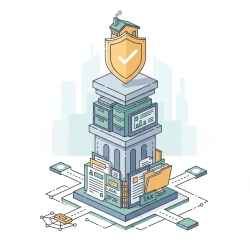
In an increasingly data-driven world, organizations and individuals face the persistent challenge of preserving important information for the long term. The debate between digital and physical archiving solutions is more relevant than ever, as each method presents its own unique advantages and disadvantages concerning security, accessibility, cost, and longevity. Effectively managing records requires a thoughtful strategy that often involves integrating elements from both approaches to ensure documents are not only securely stored but also easily retrievable when needed.
The Enduring Value of Physical Archiving
Despite the pervasive move towards digital formats, physical archiving continues to hold significant merit. For many critical documents, such as legal contracts, historical records, and original artworks, the tangible form is irreplaceable. Physical archives offer a unique sense of security against cyber threats and technology obsolescence, providing a stable, unalterable record that doesn't rely on software or hardware compatibility.
Key benefits include:
- Tangibility: Certain documents require their original physical form for legal or historical authenticity.
- Independence from Technology: Immune to software updates, file format changes, or hardware failures.
- Long-term Stability: When properly stored, physical documents can last for centuries.
- Legal Admissibility: Original signatures and seals often necessitate physical preservation.
The Advantages of Digital Archiving
Digital archiving has revolutionized how we store and access information. Its primary appeal lies in its efficiency and convenience. Digital records can be accessed from virtually anywhere, at any time, facilitating rapid information retrieval and collaboration across diverse teams or locations. The ability to search through vast quantities of data almost instantly significantly boosts productivity and decision-making.
Furthermore, digital storage drastically reduces the physical space required for document retention, cutting down on real estate costs associated with large paper archives. It also offers unparalleled scalability, allowing organizations to expand their storage capacity without needing additional physical space. Digital backups are crucial for disaster recovery, ensuring business continuity even after events like fire, flood, or theft.
Best Practices for Secure Digital Archiving
To fully leverage the benefits of digital archiving while mitigating its risks, robust best practices are essential. Security and accessibility must be balanced carefully.
Data Redundancy and Backup: Implement a "3-2-1" backup strategy: at least three copies of your data, stored on two different media, with one copy offsite. This protects against data loss due to hardware failure, accidental deletion, or disaster.
Access Control and Permissions: Utilize strong authentication methods, such as multi-factor authentication (MFA), and implement role-based access control (RBAC). This ensures that only authorized personnel can view, modify, or delete sensitive information.
Metadata and Indexing: Comprehensive metadata, including creation date, author, keywords, and document type, is crucial for efficient search and retrieval. Standardized naming conventions also contribute to organized digital archives.
Regular Audits and Integrity Checks: Periodically verify the integrity of your digital files to detect corruption or unauthorized alterations. Regular security audits help identify and address vulnerabilities.
Format Obsolescence Planning: Digital formats can become obsolete. Develop a migration strategy to convert files to newer, more stable formats over time to ensure long-term accessibility. This proactive approach prevents data from becoming unreadable.
Cybersecurity Measures: Employ robust cybersecurity measures including encryption for data at rest and in transit, firewalls, intrusion detection systems, and regular vulnerability assessments. Employee training on cybersecurity best practices is also vital.
Best Practices for Secure Physical Archiving
Physical archiving requires its own set of meticulous practices to ensure document longevity and security. Environmental control is paramount.
Environmental Control: Store documents in a stable environment with controlled temperature (ideally 68-72°F or 20-22°C) and relative humidity (30-50%). Fluctuations can cause paper degradation, mold, and pest infestations. Protect against direct sunlight and water damage.
Physical Security: Archives should be housed in secure, fire-resistant facilities with limited access. Implement surveillance systems, access logs, and robust locking mechanisms. Fire suppression systems (e.g., inert gas) that do not damage paper are preferable to water sprinklers.
Organization and Indexing: A well-organized physical archive is as crucial as a well-indexed digital one. Use acid-free folders and boxes, clear labeling, and a logical filing system. A detailed inventory and catalog allow for quick retrieval.
Handling Protocols: Establish clear protocols for handling physical documents to prevent damage. This includes using gloves for fragile items and ensuring documents are returned to their proper location promptly after use.
Offsite Storage: For critical or historical records, consider secure offsite storage facilities that specialize in document preservation. This adds another layer of protection against localized disasters.
The Hybrid Archiving Approach
Many organizations find the most effective strategy lies in a hybrid approach, combining the strengths of both digital and physical archiving. This often involves digitizing physical documents for easy access and distribution while retaining the original physical copy for legal, historical, or authenticity purposes.
A smart hybrid strategy involves:
- Identifying documents that must remain physical (e.g., original deeds, cultural artifacts).
- Digitizing all other relevant documents for daily operational use and disaster recovery.
- Establishing clear protocols for document lifecycle management, from creation to destruction.
- Ensuring synchronization and cross-referencing between physical and digital inventories.
This integrated approach allows for the immediate benefits of digital accessibility and searchability while maintaining the foundational security and legal integrity offered by physical originals.
Conclusion
The choice between digital and physical archiving, or more commonly, the integration of both, is a strategic decision that impacts an organization's long-term operational efficiency and security. While digital solutions offer unparalleled speed, space savings, and accessibility, physical archives provide irrefutable authenticity and resilience against technological shifts. By adopting best practices tailored to each medium and carefully considering a hybrid model, entities can create robust, secure, and easily retrievable archiving systems that safeguard their valuable information for future generations.
Comprehension questions
 What are two primary benefits of retaining physical documents despite the rise of digital archiving?What environmental controls are crucial for the long-term preservation of physical documents?How does a hybrid archiving approach combine the strengths of both digital and physical methods?
Community Poll
Next Lesson
Course Contents : The Vital Importance of Keeping Good Records for Small Businesses
- >> 7.
 Digital vs. Physical Archiving: Securing and Retrieving Documents