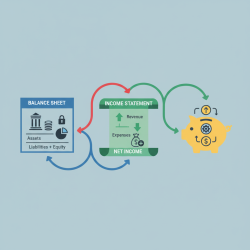
Compliance and the Indispensable Role of Meticulous Record Keeping
- -->> 1. Compliance and the Indispensable Role of Meticulous Record Keeping
What you'll learn
 Legal ComplianceTax ObligationsRecord Keeping Best PracticesConsequences of Non-Compliance
Compliance is not merely a buzzword; it is a fundamental pillar supporting an organization's longevity, reputation, and operational integrity. At its core, compliance involves adhering to a myriad of laws, regulations, industry standards, and ethical guidelines. A crucial, often underestimated, aspect of maintaining robust compliance is the meticulous upkeep of business records. These records serve as a verifiable history of all business activities, proving adherence to legal and tax obligations, and safeguarding the enterprise against potential risks and penalties.
The Foundation of Compliance: Legal Obligations
Every business operates within a web of legal requirements that dictate how it must conduct its affairs. These obligations vary significantly by industry, jurisdiction, and the nature of the business's operations. For instance, companies handling personal data must comply with privacy regulations such as GDPR or CCPA, necessitating detailed records of data processing activities, consent, and security measures.
Beyond data privacy, businesses face consumer protection laws, labor laws, environmental regulations, and specific industry-specific mandates. Financial institutions, for example, must adhere to anti-money laundering (AML) and know-your-customer (KYC) regulations, requiring extensive documentation of transactions and client identities. Without accurate and accessible records, proving compliance during audits, investigations, or legal disputes becomes exceedingly difficult, exposing the business to significant legal ramifications.
Tax Obligations and Record Keeping
Tax compliance is another critical area where meticulous record keeping is indispensable. Businesses are obligated to accurately report their income, expenses, assets, and liabilities to relevant tax authorities. This includes income tax, sales tax, payroll tax, and various other levies that apply to business operations.
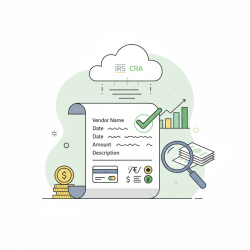
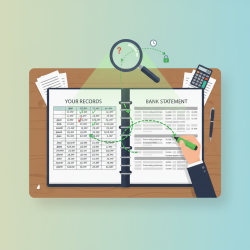
Tax audits are a common reality for businesses, and the burden of proof rests squarely on the taxpayer. Comprehensive financial records, including invoices, receipts, bank statements, payroll registers, and asset ledgers, are essential to substantiate reported figures, justify deductions, and demonstrate correct tax calculations. A lack of proper documentation can lead to disallowance of expenses, imposition of penalties, interest charges, and even criminal prosecution in severe cases of tax evasion.
Types of Business Records to Maintain
The scope of records a business must maintain is vast, covering nearly every facet of its operations. Understanding what constitutes essential records is the first step toward effective compliance.
- Financial Records: General ledgers, journals, bank statements, cash receipts and disbursements, invoices (sales and purchase), expense reports, payroll records, financial statements (balance sheets, income statements).
- Legal and Corporate Records: Articles of incorporation, bylaws, partnership agreements, board meeting minutes, contracts with suppliers and customers, permits, licenses, intellectual property registrations.
- Employee Records: Employment contracts, HR policies, performance reviews, compensation and benefits data, attendance records, disciplinary actions, termination records.
- Operational Records: Production logs, quality control reports, sales transaction data, customer communications, marketing materials, inventory records.
Each type of record serves a distinct purpose in demonstrating compliance, supporting financial reporting, and managing operational risks.
Best Practices for Meticulous Record Keeping
Establishing effective record-keeping practices is crucial for continuous compliance. It's not enough to simply collect documents; they must be organized, accessible, and secure.
- Implement a Consistent System: Use a standardized approach for categorizing, filing, and storing all records, whether physical or digital. Consistency ensures ease of retrieval and reduces errors.
- Accuracy and Completeness: Ensure all records are accurate, complete, and reflect the true nature of transactions and activities. Incomplete or fabricated records are as detrimental as no records at all.
- Retention Policies: Adhere strictly to legally mandated retention periods for different types of records. These periods vary by jurisdiction and record type, so a clear policy is essential.
- Security and Backup: Protect sensitive business records from unauthorized access, loss, or destruction. Implement robust cybersecurity measures for digital records and secure physical storage for paper documents. Regular backups are non-negotiable.
- Accessibility: Records should be readily accessible when needed for audits, legal inquiries, or internal decision-making. Cloud-based solutions and document management systems can greatly enhance accessibility.
- Staff Training: Educate all relevant employees on record-keeping policies and procedures. A culture of compliance starts with informed staff.
Consequences of Non-Compliance
Failing to maintain meticulous business records and comply with legal and tax obligations can lead to severe consequences. These can range from significant financial penalties and fines imposed by regulatory bodies and tax authorities to legal action, lawsuits from aggrieved parties, and even criminal charges for individuals responsible.
Beyond monetary and legal repercussions, non-compliance can inflict irreparable damage to a business's reputation, eroding trust among customers, investors, and partners. This can result in loss of business, reduced market value, and difficulty in attracting talent. In extreme cases, repeated or severe non-compliance can lead to the suspension or revocation of essential business licenses, effectively shutting down operations.
Summary
Compliance with legal and tax obligations is a non-negotiable aspect of running a successful and sustainable business. At the heart of this compliance lies the diligent and meticulous maintenance of business records. These records are not just administrative overhead; they are vital assets that provide evidence of adherence to laws, support financial reporting, and protect the organization from significant legal, financial, and reputational risks. By implementing robust record-keeping systems and fostering a culture of compliance, businesses can navigate complex regulatory environments with confidence, ensuring transparency, accountability, and long-term viability.
Comprehension questions
 Why is meticulous record keeping considered a fundamental pillar of business compliance?Name two specific legal obligations that require detailed record keeping for businesses.What are three types of financial records that are essential for tax compliance and audits?According to the article, what are some significant consequences a business might face due to non-compliance and poor record keeping?
Community Poll
Next Lesson
Course Contents : The Vital Importance of Keeping Good Records for Small Businesses
- >> 1.
 Compliance and the Indispensable Role of Meticulous Record Keeping