Keeping Receipts for Tax Compliance
- -->> 4. Keeping Receipts for Tax Compliance
What you'll learn
 Receipt Compliance EssentialsTax Authority Requirements (IRS/CRA)Specific Expense DocumentationEffective Record-Keeping Strategies
Far from being mere scraps of paper, receipts are critical components of diligent record-keeping, especially when it comes to satisfying tax authorities like the Internal Revenue Service (IRS) in the United States and the Canada Revenue Agency (CRA) in Canada. Understanding the fundamental anatomy of a receipt and the specific information it must capture for every expense is not just good practice; it's a necessity for ensuring compliance, maximizing deductions, and safeguarding against potential audit headaches. This guide will meticulously dissect what makes a receipt tax-compliant, ensuring you're well-equipped to manage your financial evidence.
Why Receipts Matter: The Taxman's Perspective
Tax agencies operate on the principle that taxpayers are responsible for substantiating all claimed deductions and credits. Without proper documentation, an expense, no matter how legitimate, simply does not exist in the eyes of the law. Receipts serve as primary evidence, providing an objective record of transactions. For businesses and self-employed individuals, accurate record-keeping is a foundational element of financial integrity. It prevents disallowed expenses, avoids penalties, and allows for a clearer picture of profitability. For employees claiming eligible expenses, it's equally vital to prove business-related outlays.
The Essential Elements of a Compliant Receipt
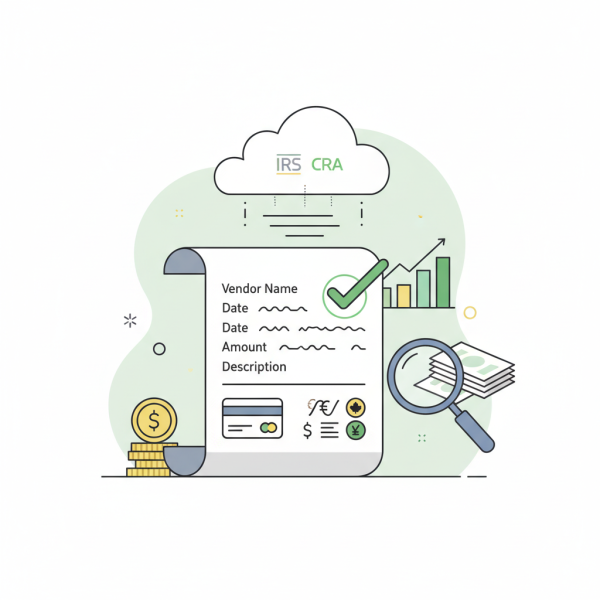
While the exact requirements can vary slightly between jurisdictions and the nature of the expense, several core pieces of information are universally recognized as essential for a tax-compliant receipt. Failing to capture any of these critical details can render an expense unprovable, leading to its disallowance during an audit. This checklist ensures your receipts stand up to scrutiny:
- Vendor Name: The full legal name of the entity from whom you purchased goods or services. This identifies who received your payment.
- Date of Transaction: The specific date the expense was incurred. This is crucial for matching expenses to the correct tax year and proving timeliness.
- Amount Paid: The total cost of the transaction, including any taxes, tips, or other charges. The currency should also be clear, especially for international transactions.
- Description of Goods/Services: A clear, itemized breakdown of what was purchased. General descriptions like "groceries" or "store items" may not be sufficient for business expenses. For example, "office supplies" or "consulting services" are more appropriate.
- Proof of Payment: While not always explicitly stated as a separate item, the receipt should indicate that payment was made, often through a "Paid" stamp, credit card authorization number, or a zero balance due. If paid by card, the last four digits of the card number are helpful but not strictly required by tax authorities unless used for further verification.
- Method of Payment (Optional but Recommended): Indicating how the payment was made (e.g., "Cash," "Visa," "Debit") can provide additional context and assist in cross-referencing bank statements.
Beyond these foundational elements, certain expenses require additional context to be considered compliant:
- Business Purpose: For nearly all business expenses, especially those that might be considered personal in nature (like meals or travel), a brief notation on the receipt or in your records explaining the business reason for the expense is absolutely critical. This could include who was entertained, the business topic discussed, or the specific project the expense relates to.
- Location: For travel or meal expenses, the specific location (city, state/province) where the expense was incurred can be important context.
- Attendees: For business meals or entertainment, the names and business relationship of the people present are often required by the IRS and sometimes by the CRA to substantiate the business purpose.
Beyond the Basics: Specific Expense Categories
Some expense categories have enhanced documentation requirements due to their nature or potential for personal use. Understanding these nuances is key:
Travel Expenses: For travel away from home, you'll need receipts for lodging, airfare, rental cars, and often for significant meal expenses. Mileage logs detailing dates, destinations, business purpose, and distance traveled are essential for vehicle use, supplementing gas receipts.
Meal and Entertainment Expenses: The rules here are particularly strict, especially in the U.S. (IRS typically allows 50% deduction, with specific rules for entertainment being generally non-deductible). Receipts for meals must include the cost, date, location, and the business purpose, along with the names and business relationship of those entertained. The CRA also has specific rules, generally allowing 50% for meals and entertainment. Always confirm the specific rules for your jurisdiction.
Home Office Expenses: If you claim a home office, you'll need receipts for direct expenses (like office supplies) and possibly for indirect expenses (like a portion of utilities, rent, or mortgage interest). Detailed calculations and a clear understanding of the "exclusive and regular use" rule are vital.
Maintaining Your Records: Best Practices
Capturing the right information is only half the battle; maintaining accessible and secure records is equally important. Tax authorities generally accept both physical and digital records, provided they are legible and complete. Consider these best practices:
Digital Archiving: Scan or photograph all receipts immediately. Cloud storage solutions or dedicated expense tracking apps can automate this process, creating searchable digital copies that are less prone to fading or loss than paper receipts.
Consistent Organization: Establish a system for categorizing expenses, whether by date, vendor, or expense type. This makes retrieval much faster during tax preparation or an audit.
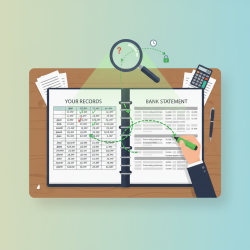
Regular Review: Reconcile your receipts with bank statements and credit card statements periodically. This helps catch discrepancies and ensures no expenses are overlooked.
Retention Period: Keep records for at least three to seven years, depending on your jurisdiction and the type of expense. The IRS generally recommends three years from the date you filed your original return or two years from the date you paid the tax, whichever is later, but longer for certain situations. The CRA typically requires six years.
The Consequences of Poor Record-Keeping
Neglecting proper receipt management can lead to significant financial repercussions. During an audit, if you cannot produce adequate documentation for a claimed expense, the tax agency will disallow it. This means you will owe additional taxes on that amount, plus interest and potentially penalties. For businesses, repeated failures can even lead to more extensive audits or a loss of trust with tax authorities, impacting future dealings. A small slip in record-keeping can snowball into a substantial financial burden.
Summary
The humble receipt is a cornerstone of sound financial management, especially concerning tax compliance. To satisfy tax authorities like the IRS and CRA, every expense receipt must clearly document the vendor's name, transaction date, amount paid, and a detailed description of goods or services. Furthermore, substantiating the business purpose and, for specific categories like meals and travel, detailing attendees or locations, is crucial. Employing best practices for digital archiving, consistent organization, and adhering to retention periods ensures that your financial records are robust, audit-proof, and effectively support your tax deductions, ultimately preventing costly penalties and ensuring financial integrity.
Comprehension questions
 What are the six essential elements universally recognized as critical for a tax-compliant receipt?Beyond the basic elements, what additional information is often required for business meals or entertainment expenses by tax authorities?According to the article, what are the recommended retention periods for financial records by the IRS and CRA?What are the main consequences of neglecting proper receipt management during a tax audit?
Next Lesson

Course Contents : The Vital Importance of Keeping Good Records for Small Businesses
- >> 4.
 Keeping Receipts for Tax Compliance