Essential Strategies for Tracking Revenue Streams
- -->> 5. Essential Strategies for Tracking Revenue Streams
What you'll learn
 Systematic Record-KeepingDiverse Revenue StreamsTechnology for TrackingFinancial Analysis Benefits
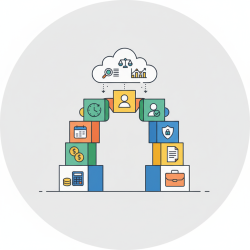
Understanding precisely where your money comes from is not just good practice; it's absolutely essential for survival and growth. Tracking revenue streams goes beyond simply knowing your total sales; it involves setting up robust, systematic processes to accurately record every single dollar entering your business, regardless of its source. This meticulous approach provides clarity, enables informed decision-making, and forms the bedrock of sound financial management. Without a clear picture of your income sources, businesses operate in the dark, making it nearly impossible to identify profitable areas, forecast future earnings, or pinpoint potential financial leakages.
Understanding Your Revenue Landscape
Every business, whether small or large, typically has multiple ways in which it generates income. These can range from direct product sales and service fees to subscriptions, licensing agreements, advertising revenue, or even investment returns. Identifying and categorizing each unique revenue stream is the first critical step towards effective tracking. A general ledger might show a lump sum, but breaking it down by source provides invaluable insights into performance and sustainability.
Consider a software company that sells licenses, offers consulting services, and has a premium support subscription. Each of these represents a distinct revenue stream. Knowing which stream is performing best, which is growing, and which might be stagnant allows management to allocate resources more effectively and refine their business model.
Foundational Systems for Recording Revenue
Establishing reliable systems for recording revenue is paramount. This isn't just about recording a transaction; it's about doing so consistently, accurately, and in a way that allows for easy retrieval and analysis. Manual methods can be error-prone and time-consuming as a business scales, making digital solutions increasingly necessary.
Key components of a foundational revenue tracking system include:
- Clear Sales Channels: Define every point where money can enter your business. This could be an e-commerce platform, a point-of-sale (POS) system, direct invoicing, or a payment gateway for services.
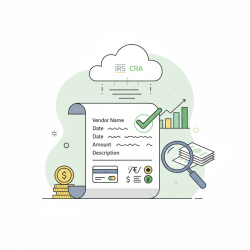
- Standardized Invoicing: Ensure all invoices are professional, detailed, and contain all necessary information, including unique identifiers, dates, descriptions of goods/services, and payment terms.
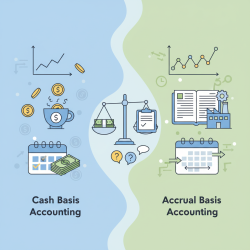
- Prompt Recording: Revenue should be recorded as soon as it is earned or received, according to your chosen accounting method (accrual or cash basis). Delays can distort your financial picture.
- Categorization: Implement a chart of accounts that allows for granular categorization of income. This enables precise reporting on specific revenue streams.
Leveraging Technology for Precision
In today's digital age, a multitude of tools and software solutions are available to simplify and automate revenue tracking. Moving beyond spreadsheets, dedicated accounting software offers features that dramatically improve accuracy and efficiency.
Modern tools often provide:
- Automated Integrations: Link your POS system, e-commerce store, and payment processors directly to your accounting software. This minimizes manual data entry and reduces human error.
- Real-time Reporting: Gain immediate insights into your financial performance. Dashboards can display current revenue, trends, and comparisons against budgets.
- Scalability: As your business grows, these systems can expand with you, handling increased transaction volumes without a proportional increase in administrative burden.
- Enhanced Security: Reputable software solutions incorporate robust security measures to protect sensitive financial data.
Implementing an Enterprise Resource Planning (ERP) system or a robust accounting package like QuickBooks, Xero, or SAP Business One can transform how you manage financial data. These systems not only track revenue but also integrate with other business functions such as inventory, payroll, and customer relationship management (CRM), providing a holistic view of your operations.
The Benefits of Diligent Revenue Tracking
The effort invested in setting up and maintaining strong revenue tracking systems yields significant dividends:
Improved Financial Planning: Accurate data allows for realistic budgeting and forecasting. You can predict cash flow more reliably and plan for future investments or expenditures.
Enhanced Decision-Making: With a clear understanding of which products, services, or channels are most profitable, you can make strategic decisions about resource allocation, marketing efforts, and product development.
Better Compliance and Auditing: Well-maintained records simplify tax preparation and make audits less stressful. Compliance with financial regulations becomes significantly easier when your books are in order.
Identification of Growth Opportunities: By analyzing trends in different revenue streams, you can spot emerging opportunities or areas where targeted investment could lead to significant growth.
Early Problem Detection: A sudden dip in a particular revenue stream or an unexpected decline in overall income can be identified quickly, allowing for prompt investigation and corrective action before minor issues become major crises.
Best Practices for Ongoing Management
Setting up the system is only half the battle; ongoing management is crucial for sustained accuracy.
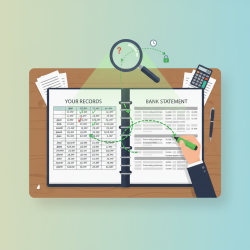
Regularly reconcile your bank statements with your accounting records. This ensures that every transaction is accounted for and helps identify discrepancies promptly. Implement internal controls, such as segregation of duties, where different individuals handle recording and reconciliation, to reduce the risk of errors or fraud. Train your staff thoroughly on the proper procedures for recording sales and processing payments. Periodic reviews of your accounting system and chart of accounts can also ensure they remain aligned with your evolving business needs. Remember that a system is only as good as the data entered into it.
Conclusion
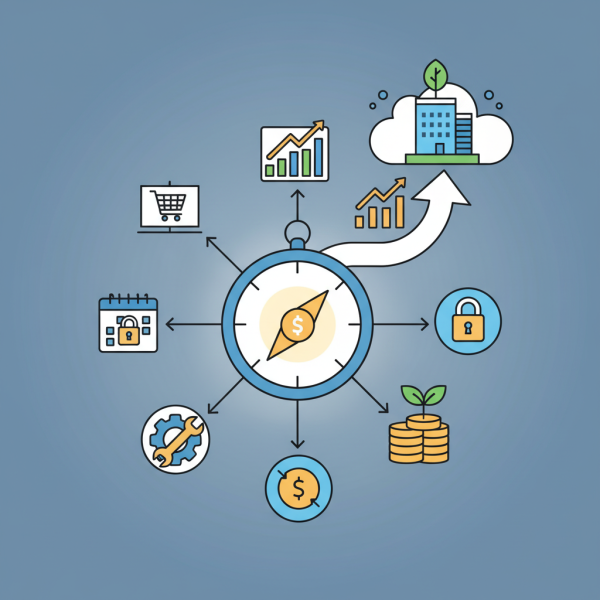
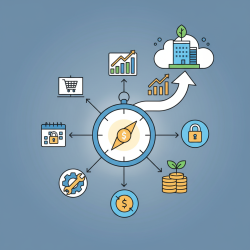
Establishing effective systems for tracking every dollar entering your business is not merely an administrative task; it is a strategic imperative. It provides the financial intelligence needed to navigate the complexities of the market, identify avenues for growth, and ensure long-term stability. By embracing robust record-keeping, leveraging technology, and committing to ongoing vigilance, businesses can transform their financial tracking into a powerful compass guiding them towards sustained success and profitability. This proactive approach ensures you always have a precise understanding of your financial health, empowering confident and informed strategic decisions.
Comprehension questions
 Why is identifying and categorizing unique revenue streams considered the first critical step towards effective tracking?What are four key components of a foundational revenue tracking system mentioned in the article?How can modern technology, such as accounting software, improve accuracy and efficiency in revenue tracking?According to the article, what are two significant benefits of diligent revenue tracking beyond simply knowing total sales?
Community Poll
Next Lesson

Course Contents : The Vital Importance of Keeping Good Records for Small Businesses
- >> 5.
 Essential Strategies for Tracking Revenue Streams