Licensing and Insurance for Business Protection
- -->> 9. Licensing and Insurance for Business Protection
What you'll learn
 Business Legal StructuresLicensing and PermitsTypes of Business InsuranceOngoing Regulatory Compliance
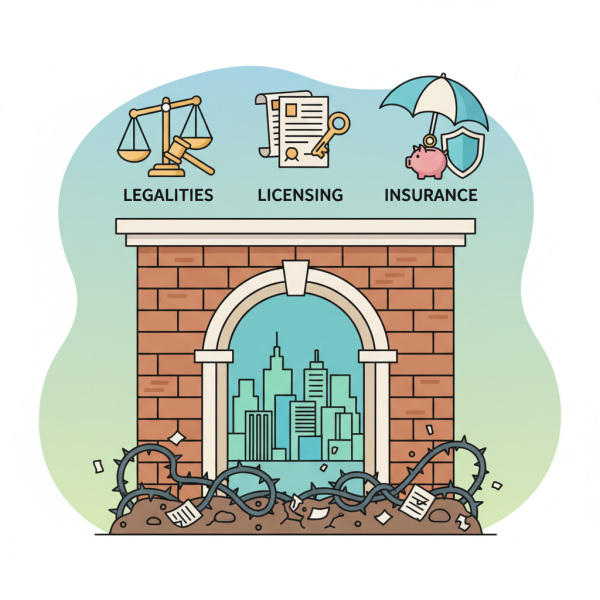
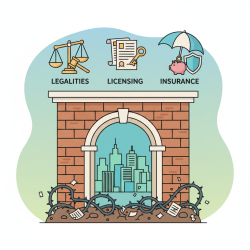
Embarking on a business venture is an exciting endeavor, filled with innovation and potential growth. However, beneath the enthusiasm lies a critical layer of foundational elements that can significantly impact a business's longevity and success: legalities, licensing, and insurance. Overlooking these essential components can expose your enterprise to substantial risks, including hefty fines, legal disputes, and financial ruin. A proactive approach to understanding and adhering to these requirements is not just about compliance; it's about building a secure and resilient framework that protects your assets, employees, and customers, ensuring your business can thrive amidst an ever-evolving regulatory landscape.
The Foundation of Legality: Choosing Your Business Structure
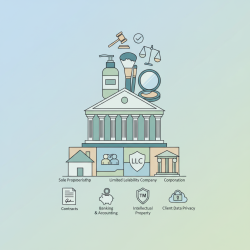
The very first legal decision you make for your business is often its structure. This choice has profound implications for liability, taxation, and administrative burden. Understanding the differences between common structures is paramount.
Sole Proprietorship: is the simplest form, where the business and owner are legally inseparable. While easy to set up, it offers no personal liability protection, meaning your personal assets are at risk if the business incurs debt or faces lawsuits.
Partnership: involves two or more individuals sharing ownership and profits. Like sole proprietorships, general partnerships typically offer no personal liability protection for partners, though limited partnerships and limited liability partnerships (LLPs) offer some variations in liability.
Limited Liability Company (LLC): combines the personal liability protection of a corporation with the pass-through taxation benefits of a sole proprietorship or partnership. It's a popular choice for many small and medium-sized businesses due to its flexibility and protective features.
Corporation (C-Corp or S-Corp): is a separate legal entity from its owners, providing the strongest liability protection for shareholders. However, corporations come with more complex regulatory requirements, corporate formalities, and potential double taxation for C-Corps.
Choosing the right structure requires careful consideration of your business goals, risk tolerance, and tax implications. Consulting with a legal or financial professional is highly recommended to make an informed decision.
Essential Licenses and Permits
Once your business structure is in place, the next crucial step is securing all necessary licenses and permits. The types required can vary widely depending on your industry, location, and specific business activities. Failure to obtain the correct licenses can result in significant penalties, operational shutdowns, and damage to your business's reputation.
These typically fall into several categories:
- Federal Licenses and Permits: Certain industries, such as agriculture, aviation, broadcasting, firearms, and alcohol sales, require specific federal licenses or permits from agencies like the FDA, FAA, FCC, or ATF.
- State Licenses and Permits: Most states require a general business license. Beyond that, many professions (e.g., doctors, lawyers, beauticians, contractors) require state-issued professional licenses. Sales tax permits are also a common state requirement for businesses selling goods or taxable services.
- Local (City/County) Licenses and Permits: Your local municipality or county will often require a general business operating license. Additionally, specific local permits might be needed for things like zoning, building (if you're renovating or constructing), health permits (for food service), fire department permits, and signage permits.
It's crucial to research and identify all applicable licenses and permits for your unique business. Resources often include government websites, small business administration offices, and local chambers of commerce. Be mindful that these requirements can change, so regular checks are advisable.
Understanding Business Insurance
Insurance acts as a critical safety net, protecting your business from unforeseen events and liabilities that could otherwise lead to severe financial distress. While some types of insurance are legally mandated, others are essential for comprehensive risk management.
- General Liability Insurance: Often called "slip-and-fall" insurance, this policy covers claims of bodily injury, property damage, and personal injury (e.g., libel or slander) that occur as a result of your business operations. It’s a foundational policy for almost any business.
- Property Insurance: Protects your business property, including buildings, inventory, equipment, and furnishings, from risks like fire, theft, and vandalism.
- Workers' Compensation Insurance: Required by law in most states for businesses with employees, this covers medical expenses and lost wages for employees injured on the job.
- Professional Liability Insurance (Errors and Omissions - E&O): Essential for service-based businesses, this covers claims of negligence, errors, or omissions in the professional services you provide.
- Commercial Auto Insurance: If your business uses vehicles, this policy covers accidents involving those vehicles.
- Cyber Liability Insurance: With the increasing threat of data breaches, this insurance covers costs associated with cyberattacks, data loss, and privacy breaches.
The specific types and levels of coverage you need will depend on your industry, the risks inherent in your operations, and the size of your business. Working with a knowledgeable insurance broker can help you tailor a policy package that provides adequate protection without over-insuring.
Compliance and Ongoing Obligations
Obtaining initial licenses and insurance is just the beginning. Maintaining a compliant business environment is an ongoing responsibility. Regulations and laws can change, requiring businesses to adapt and update their practices, permits, and policies.
Regularly review your legal structure to ensure it still aligns with your business's growth and goals. Periodically audit your licenses and permits for renewal dates or new requirements, especially if your business expands into new services, products, or geographical areas.
Stay informed about changes in labor laws, consumer protection regulations, and industry-specific compliance standards. Tax compliance, including sales tax, payroll taxes, and income tax, is another continuous obligation that demands meticulous attention.
Furthermore, your insurance needs will likely evolve as your business grows or changes. Annually reviewing your insurance policies with your broker ensures that your coverage remains adequate for your current operations and risks. Under-insuring can leave your business vulnerable, while over-insuring can lead to unnecessary expenses.
Summary
The success and longevity of any business are intrinsically linked to its adherence to legal requirements, proper licensing, and comprehensive insurance coverage. From carefully selecting the appropriate business structure and navigating the myriad of federal, state, and local permits, to securing vital insurance policies like general liability, workers' compensation, and cyber liability, each step is crucial for establishing a stable and protected enterprise. Ongoing vigilance in reviewing and updating these foundational elements ensures that your business remains compliant, mitigates risks effectively, and is well-positioned to overcome challenges and achieve its long-term objectives.
Comprehension questions
 What are the primary considerations when choosing a legal structure for a new business?Besides federal and state licenses, what other types of permits might a business need?Name at least three essential types of insurance policies recommended for most businesses and briefly explain their purpose.Why is ongoing compliance and regular review of legal and insurance requirements crucial for a business's long-term success?
Review Quiz
Next Lesson
Course Contents : Strategies for Small Cosmetic Businesses
- >> 9.
 Licensing and Insurance for Business Protection