Mastering Budgeting, Pricing & Profit
- -->> 2. Mastering Budgeting, Pricing & Profit
What you'll learn
 Budgeting FundamentalsStrategic Pricing ModelsProfit Growth TechniquesFinancial Monitoring
For beauty entrepreneurs, the artistry and passion for aesthetics often take center stage. However, true success in the competitive beauty industry hinges on a robust understanding of financial foundations. Mastering budgeting, implementing strategic pricing, and diligently pursuing profit maximization are not merely administrative tasks; they are essential pillars that ensure your salon, spa, or independent practice not only survives but thrives. This article will guide you through the critical financial principles every beauty professional needs to embrace to cultivate a sustainable and profitable business.
The Power of Budgeting: Knowing Your Numbers
Budgeting is the roadmap for your financial journey. It’s about more than just tracking what you spend; it’s about strategically allocating resources to achieve your business goals. Without a clear budget, it’s impossible to understand your true profitability, identify areas of waste, or plan for future growth.
Begin by meticulously identifying all your business expenses. These typically fall into two categories:
- Fixed Costs: Expenses that remain relatively consistent regardless of your service volume. This includes rent, insurance, loan payments, and certain software subscriptions.
- Variable Costs: Expenses that fluctuate with your level of business activity. Examples include product inventory (shampoos, dyes, waxes, polishes), hourly staff wages, utilities that vary with usage, and marketing campaign costs based on spend.
Accurately tracking these costs allows you to calculate your break-even point – the amount of revenue needed to cover all your expenses. Once you know your break-even, you can set realistic revenue targets and ensure every service contributes positively to your bottom line. Regularly review your budget against actual expenditures to identify discrepancies and make necessary adjustments. This iterative process is crucial for maintaining financial control and making informed decisions about purchasing, staffing, and service offerings.
Strategic Pricing: Valuing Your Craft
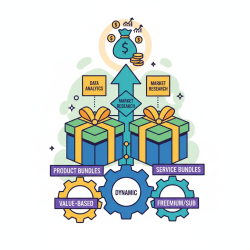
Pricing your beauty services effectively is a delicate balance between covering your costs, reflecting your value, and remaining competitive. Underpricing undervalues your skills and hard work, while overpricing can deter potential clients. A thoughtful pricing strategy is paramount.
Consider a multi-faceted approach to pricing:
- Cost-Plus Pricing: Start by calculating the direct cost of each service, including product usage, labor (your time or employee wages), and a portion of your overhead. Add a desired profit margin to arrive at a base price. This ensures profitability on every service.
- Value-Based Pricing: Beyond mere costs, consider the perceived value you offer. Factors like your expertise, experience, unique techniques, the ambiance of your salon, and the quality of products used all contribute to your value proposition. Clients are often willing to pay more for a superior experience or specialized skill set.
- Competitor Analysis: Research what similar services are priced at in your market. This doesn't mean you should simply match prices, but rather understand the competitive landscape. If you offer a premium experience, justify a higher price. If you're building a new clientele, a competitive entry price might be considered, followed by strategic increases.
Also, explore offering tiered services or packages. For instance, a basic manicure versus a deluxe spa manicure package can cater to different client budgets and preferences, while also increasing average transaction value. Understanding the psychology of pricing, such as ending prices in .99 or offering bundle discounts, can also subtly influence client perception and purchasing decisions.
Profit Maximization: Beyond Basic Services
Once your budget is solid and your pricing is strategic, the next step is to actively seek ways to maximize your profits. This involves more than just increasing the number of clients; it's about optimizing every aspect of your business.
Key strategies for profit maximization include:
- Upselling and Cross-selling: Train your team (or yourself) to recommend complementary services (e.g., a hair treatment with a cut, a gel polish add-on with a pedicure) or retail products that enhance the client's results at home. This significantly boosts revenue per client.
- Client Retention and Loyalty Programs: It's often less expensive to retain an existing client than to acquire a new one. Implement loyalty programs, offer exclusive discounts for repeat bookings, or send personalized follow-ups. Happy, loyal clients are your best marketing tool and a consistent revenue stream.
- Efficient Inventory Management: Avoid overstocking products, which ties up capital and can lead to expired goods. Implement a "first-in, first-out" system and track product usage to order strategically. Negotiate with suppliers for bulk discounts when appropriate, but only for products you know will sell.
- Optimizing Scheduling and Capacity: Minimize downtime between appointments. Use efficient booking systems and consider staggering staff schedules to maximize service hours. If you have multiple treatment rooms or chairs, ensure they are utilized effectively.
- Marketing Return on Investment (ROI): Don't just spend on marketing; invest wisely. Track which marketing channels bring in the most profitable clients and focus your efforts there. A small, targeted campaign can be more effective than a broad, unfocused one.
- Streamlining Operations: Identify any inefficiencies in your workflow that waste time or resources. Could a new piece of equipment speed up a service? Can administrative tasks be automated? Every minute saved is a minute that can be dedicated to client services or revenue generation.
Financial Health Check-up: Regular Review
Financial management is not a one-time task; it's an ongoing process. Regularly monitoring your financial performance is crucial for long-term success. Establish key performance indicators (KPIs) to track your progress and make data-driven decisions.
Important KPIs for a beauty business include:
- Revenue per Client: How much each client spends on average.
- Service vs. Retail Sales Ratio: The proportion of your income from services versus product sales.
- Profit Margin: The percentage of revenue that remains after all expenses have been deducted.
- Client Retention Rate: The percentage of clients who return for future services.
- Product Inventory Turnover: How quickly your retail products are selling.
Schedule regular financial reviews – monthly or quarterly. Compare your actual performance against your budget and your previous periods. Identify trends, celebrate successes, and most importantly, pinpoint areas that need improvement. Perhaps a particular service isn't as profitable as you thought, or a new product line isn't selling well. Being proactive in these reviews allows you to adjust your strategies, fine-tune your operations, and ensure your beauty business remains on a path of continuous growth and profitability.
Summary
Mastering financial foundations is indispensable for any beauty professional aiming for sustainable success. This article underscored the critical importance of robust budgeting to understand and control costs, distinguishing between fixed and variable expenses, and setting realistic financial targets. It then delved into strategic pricing methodologies, emphasizing the need to balance cost-plus and value-based approaches while considering market competition. Furthermore, we explored various profit maximization techniques, from upselling and client retention to efficient inventory management and optimizing operational workflows. Finally, the article highlighted the necessity of consistent financial health check-ups through key performance indicators to ensure ongoing profitability and informed decision-making. By integrating these financial principles, beauty service providers can transform their passion into a thriving and financially secure enterprise.
Comprehension questions
 What are the two main categories of business expenses and why is it important to distinguish between them for budgeting in beauty services?List three specific strategies for profit maximization beyond simply increasing client numbers in a beauty business.Why is regular monitoring of Key Performance Indicators (KPIs) crucial for the long-term financial health of a beauty service provider?
Review Quiz
Next Lesson
Course Contents : Strategies for Small Cosmetic Businesses
- >> 2.
 Mastering Budgeting, Pricing & Profit