Providing an Exceptional Client Experience
- -->> 5. Providing an Exceptional Client Experience
What you'll learn
 Exceptional Service FoundationsPersonalization StrategiesBuilding Client TrustTeam Empowerment for Service Excellence
Merely offering a great product or service is often not enough to secure long-term success. The true differentiator lies in delivering an exceptional client experience that not only satisfies immediate needs but also fosters deep loyalty and encourages retention. Building lasting client relationships transcends transactional interactions; it's about creating a bond of trust, understanding, and mutual respect. This comprehensive approach ensures that clients not only return but also become advocates for your brand, driving sustainable growth and establishing a formidable market presence.
Understanding the Foundation of Exceptional Service
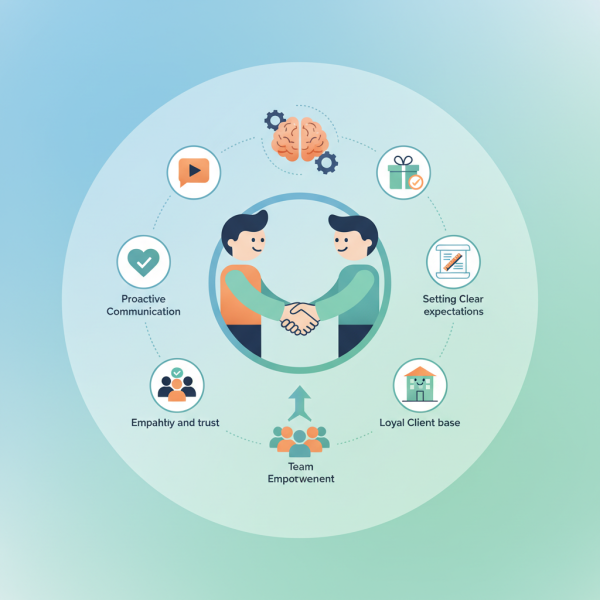
The bedrock of outstanding client service begins with a profound understanding of client needs and expectations. It requires a shift from reactive problem-solving to proactive engagement and anticipation. Companies that excel in this area prioritize clear communication and empathy, ensuring clients feel heard and valued at every touchpoint.
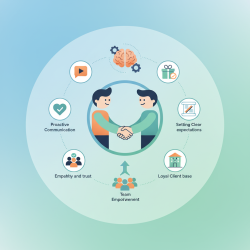
Proactive Communication
Effective communication is a two-way street. It involves not only responding promptly to inquiries but also proactively providing updates, sharing relevant information, and setting realistic expectations. This transparency builds confidence and reduces anxiety, preventing potential issues before they escalate. Regularly checking in, even when there's no immediate need, reinforces your commitment to their success.
Empathy and Active Listening
Clients want to feel understood. Empathy means putting yourself in their shoes, recognizing their challenges, and validating their concerns. Active listening goes beyond merely hearing words; it involves paying close attention to tone, underlying emotions, and unspoken needs. By truly listening, you can better tailor solutions and demonstrate that their business matters deeply to you.
Setting Clear Expectations
Ambiguity is the enemy of client satisfaction. From the outset, clearly define what clients can expect in terms of service scope, timelines, deliverables, and communication protocols. When expectations are managed effectively, clients are less likely to feel disappointed, even if unforeseen challenges arise. Honesty about capabilities and limitations is crucial for trust.
Personalization and Customization
In a world of mass-market solutions, personalization stands out. Clients appreciate services and interactions that are tailored specifically to their individual context and preferences. This level of customization makes them feel unique and valued, rather than just another number.
Tailoring Solutions
Generic approaches rarely yield exceptional results. Invest time in understanding each client's unique goals, challenges, and operational environment. Then, craft solutions that directly address these specifics. This might involve customized product configurations, bespoke service packages, or personalized support plans.
Remembering Client Details
Small details can make a big difference. Remembering a client's preferred communication method, past issues, significant milestones, or even personal anecdotes demonstrates genuine care. Utilize CRM systems and internal notes to capture and recall these important bits of information, ensuring a consistent and personalized experience across your team.
Anticipating Needs
The highest level of personalization involves anticipating future client needs or potential problems. This might mean suggesting upgrades before they're requested, providing preventative maintenance tips, or offering insights based on their industry trends. Proactive insights position you as a trusted advisor, not just a service provider.
Building Trust and Transparency
Trust is the cornerstone of any lasting relationship. In client interactions, it’s built through consistent reliability, honesty, and openness. Transparency, particularly during challenging times, strengthens this bond even further.
Honesty in All Dealings
Always be truthful, even when it's difficult. Admitting mistakes, explaining limitations, and communicating bad news transparently builds credibility. Clients respect honesty and are more likely to forgive errors when they feel they are being treated fairly and openly.
Consistency in Service Delivery
Reliability is paramount. Clients expect a consistent level of quality and service every time they interact with your business. Establishing clear processes, training staff thoroughly, and regularly reviewing performance helps ensure this consistency. Every interaction should reinforce the high standards you've set.
Handling Feedback Gracefully
Feedback, both positive and negative, is a gift. Embrace it as an opportunity to improve. Thank clients for their input, listen without defensiveness, and take actionable steps to address concerns. Following up to show how their feedback was implemented reinforces that their voice matters.
The Power of Post-Service Engagement
The client journey doesn't end when a service is delivered or a sale is made. Post-service engagement is critical for cementing loyalty and encouraging repeat business.
- Follow-ups and Check-ins: A simple follow-up email or call to ensure satisfaction and offer further assistance can significantly enhance the client experience. It shows you care beyond the transaction.
- Seeking Feedback: Actively solicit feedback through surveys, direct conversations, or review requests. This not only provides valuable insights for improvement but also makes clients feel invested in your success.
- Loyalty Programs and Appreciation: Recognize and reward loyal clients. This could be through exclusive discounts, early access to new features, special events, or personalized thank-you notes. Showing appreciation fosters a sense of belonging and value.
Empowering Your Team
Ultimately, the client experience is shaped by the individuals on your team. Empowering them with the right tools, training, and culture is essential for consistent excellence.
- Comprehensive Training and Development: Equip your team with the knowledge, skills, and confidence to handle diverse client interactions. This includes product knowledge, communication techniques, and problem-solving strategies. Continuous learning is key.
- Providing Necessary Tools: Ensure your team has access to efficient CRM systems, communication platforms, and resources that allow them to serve clients effectively and efficiently. Frustrated employees cannot deliver exceptional service.
- Fostering a Client-Centric Culture: Instill a company-wide philosophy where the client is at the heart of every decision and action. Recognize and reward employees who go above and beyond to create positive client experiences. A strong internal culture translates directly to external satisfaction.
Summary
Delivering an exceptional client experience and fostering strong retention requires a holistic and deliberate strategy. It encompasses foundational elements like proactive communication, empathy, and clear expectation setting. Furthermore, personalization, customization, and a commitment to building trust through honesty and consistency are vital. Effective post-service engagement, including follow-ups and appreciation programs, solidifies loyalty. Crucially, empowering your team with training, tools, and a client-centric culture ensures these strategies are implemented effectively at every level. By focusing on these interconnected pillars, businesses can transform fleeting transactions into enduring relationships, creating a loyal client base and a powerful competitive advantage.
Comprehension questions
 What are the foundational elements of outstanding client service described in the article?How does personalization and customization contribute to an exceptional client experience?Why is transparency and honesty crucial for building trust in client relationships?In what ways can post-service engagement enhance client loyalty and retention?
Community Poll
Next Lesson

Course Contents : Strategies for Small Cosmetic Businesses
- >> 5.
 Providing an Exceptional Client Experience