Business Protection: Insurance, Risk, and Safety
- -->> 9. Business Protection: Insurance, Risk, and Safety
What you'll learn
 Essential Insurance CoveragesStrategies for Mitigating RisksMaintaining a Safe Working EnvironmentHolistic Business Protection
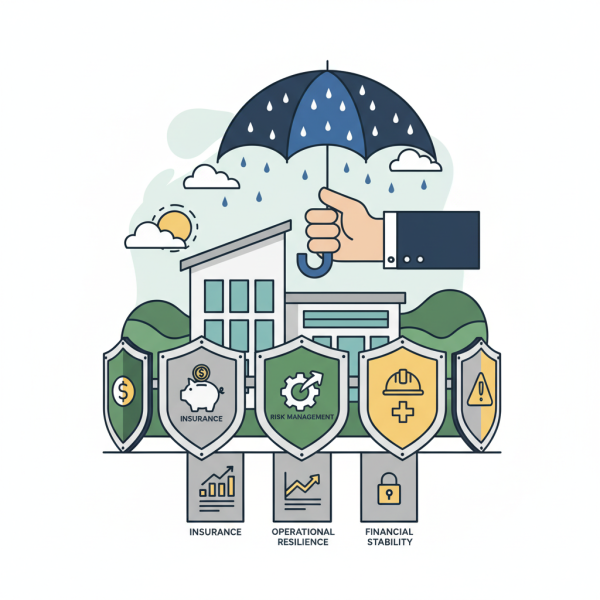
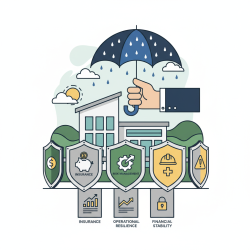
Insurance, risk management, and safety are not isolated concepts but interconnected pillars that underpin operational resilience, financial stability, and the well-being of employees. Understanding and implementing robust strategies in these areas is fundamental for any organization aiming for sustained success and growth, shielding against unforeseen events that could otherwise derail progress.
Essential Insurance Coverages
Insurance serves as a critical financial safety net, transferring the burden of potential losses from the business to an insurer. Identifying and securing the right types of coverage is paramount.
General Liability Insurance: This foundational coverage protects your business from claims of bodily injury, property damage, personal injury, and advertising injury that occur on your business premises or due to your operations. It covers legal defense costs and settlement amounts up to policy limits.
Property Insurance: Safeguards your physical assets, including buildings, inventory, equipment, and furnishings, against perils such as fire, theft, vandalism, and certain natural disasters. It's crucial for businesses with significant physical infrastructure or valuable inventory.
Workers' Compensation Insurance: Mandated in most jurisdictions, this insurance covers medical expenses and lost wages for employees who suffer work-related injuries or illnesses. It also provides death benefits to dependents and protects employers from direct liability lawsuits from injured employees.
Professional Liability Insurance (Errors & Omissions): Essential for service-based businesses, this coverage protects against claims of negligence, errors, or omissions in the professional services you provide. It's vital for consultants, accountants, IT professionals, and healthcare providers.
Cyber Liability Insurance: In an increasingly digital world, this insurance protects against the financial consequences of data breaches, cyberattacks, and other cyber incidents. It can cover costs associated with notification, forensic investigation, credit monitoring, and regulatory fines.
Business Interruption Insurance: Often included with property insurance, this coverage helps replace lost income and covers extra expenses if your business is forced to temporarily close due to a covered peril, like a fire or natural disaster, allowing you to pay ongoing expenses while operations are suspended.
Strategies for Mitigating Risks
Risk management is the systematic process of identifying, assessing, and controlling threats to an organization's capital and earnings. Effective risk mitigation minimizes exposure and enhances operational stability.
The process begins with risk identification, where businesses systematically pinpoint potential hazards, threats, and vulnerabilities. This involves brainstorming, historical data analysis, and expert consultations across all departments.
Next is risk assessment, which evaluates the likelihood of each identified risk occurring and the potential severity of its impact. This helps prioritize risks, focusing resources on the most critical threats.
Once risks are understood, risk control measures are implemented to reduce either the probability or the impact of adverse events. This phase is about putting protective actions in place.
- Implementing robust security systems and protocols to prevent theft or unauthorized access.
- Developing comprehensive training programs for employees on operational procedures and safety guidelines.
- Establishing clear policies and procedures for all business activities to ensure consistency and compliance.
- Utilizing technology, such as data encryption and regular backups, to protect sensitive information.
- Diversifying suppliers and customer bases to reduce dependence on single points of failure.
Finally, continuous risk monitoring and review ensure that mitigation strategies remain effective and are adapted as the business environment or identified risks evolve. This iterative process allows for constant improvement.
Maintaining a Safe Working Environment
A safe working environment is not just a legal requirement but a moral imperative and a key driver of productivity and employee morale. It involves cultivating a culture where safety is prioritized by everyone.
Cultivating a Safety Culture: Leadership must demonstrate a strong commitment to safety, promoting it as a core value. This encourages employees at all levels to actively participate in safety initiatives, report hazards, and adhere to safety protocols without fear of reprisal.
Hazard Identification and Control: Regular workplace inspections, hazard assessments, and incident reporting systems are crucial. Promptly addressing identified hazards, whether through engineering controls, administrative changes, or personal protective equipment, prevents accidents before they occur.
Emergency Preparedness: Developing and regularly practicing emergency response plans for various scenarios, such as fires, natural disasters, medical emergencies, or security threats, ensures that employees know how to react calmly and effectively during a crisis.
Employee Training and Education: Providing comprehensive and ongoing training on job-specific safety procedures, the proper use of equipment, hazard communication, and emergency protocols empowers employees to work safely and recognize potential dangers.
Ergonomics and Wellness: Designing workstations and tasks to fit the capabilities of employees helps prevent musculoskeletal injuries. Promoting overall employee wellness, including mental health support, contributes to a healthier, safer workforce.
Regular Maintenance and Inspections: All equipment, machinery, and facilities should undergo routine maintenance and inspections to ensure they are in safe working order, preventing failures that could lead to accidents.
Summary
Effective business management hinges on a holistic approach to insurance, risk management, and safety. Essential insurance coverages provide financial protection, while strategic risk mitigation systematically reduces vulnerabilities. Simultaneously, fostering a strong safety culture and implementing proactive safety measures create a secure and productive working environment. Together, these elements form a comprehensive framework that protects assets, safeguards employees, and ensures the long-term viability and success of any organization.
Comprehension questions
 What are the three interconnected pillars for business protection mentioned in the article?Name at least three types of essential insurance coverages vital for businesses outlined in the text.Describe the four key phases involved in effective risk mitigation as explained in the article.What are some key actions businesses can take to maintain a safe working environment and cultivate a safety culture?
Community Poll
Next Lesson

Course Contents : Business Management Guide for Construction Entrepreneurs
- >> 9.
 Business Protection: Insurance, Risk, and Safety