Construction's Legal Landscape: Contracts, Permits, and Regulations
- -->> 8. Construction's Legal Landscape: Contracts, Permits, and Regulations
What you'll learn
 Construction Contract EssentialsPermit Acquisition ProcessIndustry Regulatory ComplianceConstruction Risk Management
Embarking on any construction project, regardless of its scale, necessitates a comprehensive understanding of the intricate legal landscape that governs it. From the initial conceptualization to the final nail, contractors and project owners alike must navigate a complex web of contracts, secure essential permits, and meticulously adhere to a myriad of industry regulations. Overlooking any of these critical legal aspects can lead to costly delays, legal disputes, financial penalties, and even project termination. A proactive and informed approach is paramount to ensuring a smooth, compliant, and ultimately successful construction endeavor.
The Foundation of Construction Contracts
Construction contracts are the bedrock of any project, legally binding all parties involved and outlining their respective rights, responsibilities, and obligations. These documents dictate project scope, timelines, payment schedules, and mechanisms for dispute resolution. A well-drafted contract serves as a vital safeguard, protecting against misunderstandings and unforeseen challenges.
Key elements that should be meticulously addressed in any construction contract include a clear definition of the scope of work, detailed specifications, a precise project schedule with milestones, and a comprehensive payment structure. Contingency clauses for delays, change orders, and unexpected site conditions are also crucial. Furthermore, provisions for insurance, warranties, and indemnification protect all parties from potential liabilities.
Understanding different contract types is also beneficial. Common types include fixed-price contracts, where the cost is set upfront, and cost-plus contracts, where the contractor is reimbursed for actual costs plus a fee. Design-build contracts integrate design and construction services under one entity, streamlining the process. Each type carries distinct risk allocations and management implications, requiring careful selection based on project specifics.
Legal review of all contracts by an experienced attorney specializing in construction law is highly recommended before signing. This ensures that terms are fair, legally sound, and adequately protect your interests, preventing costly litigation down the line.
The Permit Maze: Understanding Requirements
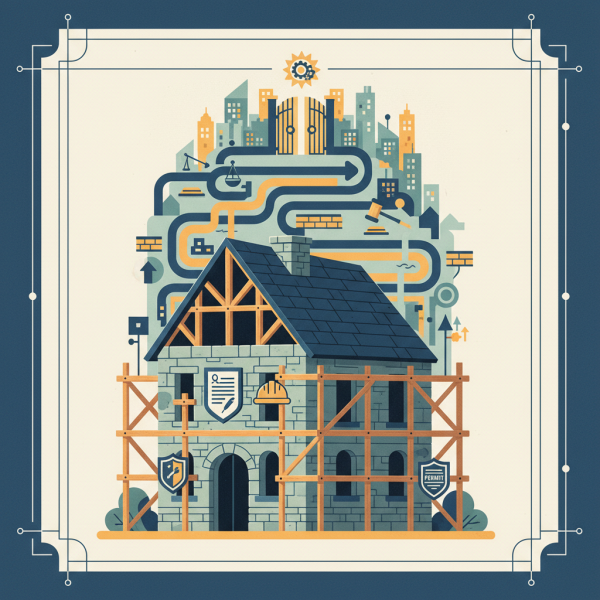
Obtaining the necessary permits is a non-negotiable step in any construction project. Permits ensure that construction plans comply with local zoning laws, building codes, and safety standards, protecting both the future occupants and the surrounding community. The permit application process can be complex and varies significantly by jurisdiction, making early engagement with local authorities essential.
Before any physical work commences, project managers must identify all required permits. This typically includes:
- Building permits: For structural changes, new construction, or significant renovations.
- Zoning permits: To ensure the project aligns with land use regulations.
- Environmental permits: For projects impacting wetlands, air quality, or waste disposal.
- Plumbing and Electrical permits: Required for installation or modification of these systems.
- Occupancy permits: Issued upon project completion, allowing the building to be legally occupied.
The application process often involves submitting detailed architectural plans, engineering drawings, site surveys, and sometimes environmental impact assessments. Delays in obtaining permits can significantly impact project timelines and budgets, highlighting the importance of thorough preparation and proactive communication with permitting agencies. Understanding the specific requirements and timelines of each local authority is critical for successful navigation.
Navigating Regulatory Compliance
Beyond contracts and permits, the construction industry is heavily regulated by a multitude of national, state, and local laws designed to ensure safety, environmental protection, and fair labor practices. Compliance with these regulations is not just a legal obligation but also an ethical imperative that fosters a safe working environment and sustainable construction practices.
Key regulatory areas include:
- Occupational Safety and Health Administration (OSHA) standards: These cover worker safety, requiring specific protocols for fall protection, scaffolding, excavation, and hazard communication. Non-compliance can result in severe penalties and tragic accidents.
- Environmental Protection Agency (EPA) regulations: These govern waste management, storm water runoff, hazardous material handling, and air emissions to minimize environmental impact during construction.
- Accessibility standards (e.g., ADA in the US): Projects must be designed and constructed to accommodate individuals with disabilities, ensuring equal access to public and commercial spaces.
- Local building codes: These are comprehensive sets of rules specifying minimum standards for construction, including structural integrity, fire safety, and energy efficiency.
Staying current with evolving regulations is a continuous challenge. Regular training for staff, engaging compliance consultants, and implementing robust internal compliance programs are effective strategies. Ignorance of the law is not an excuse, and penalties for non-compliance can range from substantial fines to project shutdowns and criminal charges in severe cases.
Risk Mitigation and Best Practices
Effective risk management in construction involves proactively identifying potential legal pitfalls and implementing strategies to minimize their impact. This includes diligent contract administration, meticulous record-keeping, and fostering clear lines of communication among all stakeholders.
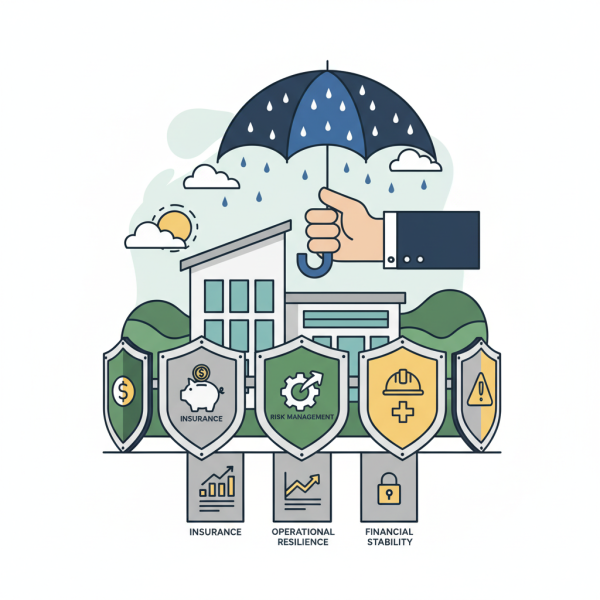
Regular site inspections and quality control checks help ensure adherence to specifications and codes. Documenting all changes, delays, and communications is vital for protecting your position in case of disputes. Investing in comprehensive insurance coverage, including general liability, professional liability, and workers' compensation, provides a financial safety net against unforeseen events.
Establishing a strong relationship with legal counsel specializing in construction law from the outset can save significant resources in the long run. They can assist in contract drafting, permit appeals, and dispute resolution, offering invaluable guidance through the project lifecycle. A culture of compliance and safety, embedded within the company, is the most robust defense against legal and operational challenges.
Summary
Navigating the legal intricacies of construction projects requires a robust understanding of contracts, permits, and regulations. This article emphasized the critical role of well-drafted contracts in defining project scope and responsibilities, highlighted the necessity of securing various permits to ensure compliance with local standards, and detailed the importance of adhering to extensive regulatory frameworks like OSHA and EPA guidelines for safety and environmental protection. Proactive engagement with legal counsel, diligent record-keeping, and a commitment to best practices are essential for mitigating risks and achieving successful, compliant construction outcomes.
Comprehension questions
 What are the key elements that should be meticulously addressed in any construction contract?List three common types of permits typically required for a construction project.Name two major regulatory bodies or standards that govern the construction industry and describe their focus.What are some best practices for risk mitigation in construction projects?
Community Poll
Next Lesson
Course Contents : Business Management Guide for Construction Entrepreneurs
- >> 8.
 Construction's Legal Landscape: Contracts, Permits, and Regulations