Scaling Your Business : Growth Mindset
- -->> 10. Scaling Your Business : Growth Mindset
What you'll learn
 Business scaling strategiesEmployee hiring and team buildingService expansion techniquesLong-term business sustainability
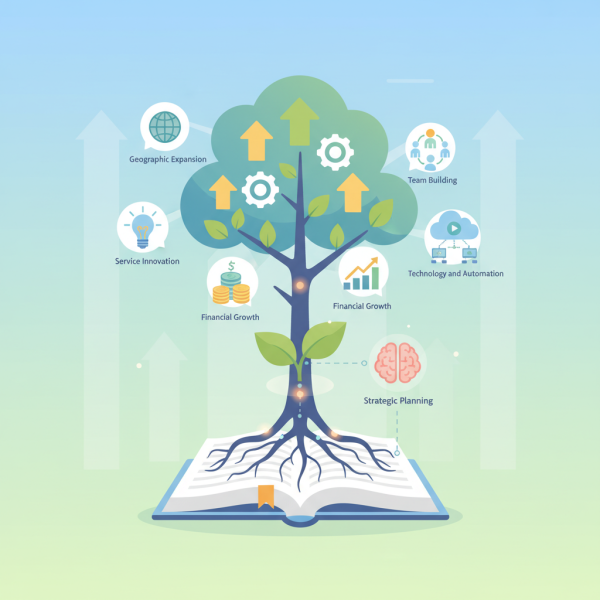
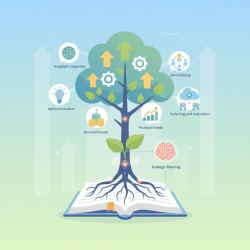
Expanding a business from its initial startup phase into a scalable enterprise requires foresight, strategic planning, and a robust understanding of market dynamics. Future growth isn't merely about increasing sales; it encompasses a holistic approach to building capacity, refining operations, and ensuring long-term viability. This journey demands careful consideration of how services will evolve, the precise timing and nature of employee recruitment, and the foundational strategies that will underpin sustained success.
Understanding Your Readiness for Scaling
Before embarking on significant growth initiatives, it's crucial to assess your current operational health and market position. Scaling prematurely can lead to inefficiencies, resource strain, and diminished customer satisfaction. Evaluate whether your existing systems, processes, and team can comfortably handle an increased workload without compromising quality.
Consider your market. Is there a consistent demand that your current capacity struggles to meet? Are there untapped segments or adjacent markets ripe for entry? A thorough analysis of your niche and competitive landscape will provide clarity on the most promising avenues for expansion.
Strategies for Expanding Your Services
Service expansion can take many forms, from deepening your offerings within your current niche to diversifying into new areas. The key is to expand strategically, leveraging existing strengths and customer relationships.
- Deepen Current Offerings: Identify complementary services that enhance your core product. For instance, a web design agency might add SEO or content marketing services.
- Target New Niches: Adapt your existing services to appeal to a different customer segment that has similar needs but different market characteristics.
- Geographic Expansion: If your service isn't location-dependent, explore serving clients in new regions or countries. This often involves understanding new regulatory environments.
- Productization of Services: Can components of your service be packaged into a repeatable, scalable product? This can reduce the need for constant direct service delivery.
Always pilot new services or expansions on a smaller scale first. Gather feedback, refine your approach, and ensure profitability before a full-scale rollout.
Strategic Hiring and Team Building
As your business scales, your biggest asset will be your team. Hiring is not just about filling vacancies; it's about strategically adding talent that aligns with your company culture and future vision. Identify key roles that will alleviate current bottlenecks and enable further growth.
Look beyond immediate task completion. Seek individuals with strong problem-solving skills, adaptability, and a proactive mindset. They should be able to grow with the company and potentially take on more responsibility as it expands.
Effective onboarding and training programs are paramount. A well-structured introduction ensures new employees quickly become productive and feel integrated into the team. Crucially, as you hire, learn to delegate effectively. Micromanagement becomes a significant impediment to scaling.
Financial Planning for Sustainable Growth
Growth requires capital. Whether it's for new hires, technology investments, or marketing campaigns, you need a clear financial roadmap. This includes robust cash flow management and accurate forecasting.
Explore various funding options, from reinvesting profits to seeking external investors or loans. Understand the implications of each on your ownership and long-term control. Always maintain a healthy reserve to navigate unexpected challenges.
Budget for scalability. This means not just covering current costs, but allocating funds for future infrastructure, larger teams, and market development. Sustainable growth prioritizes profitability alongside expansion.
Leveraging Technology and Automation
Technology is a powerful enabler of scaling. Automate repetitive tasks wherever possible to free up human capital for more strategic activities. Invest in robust Customer Relationship Management (CRM) systems, project management tools, and communication platforms that can handle increased volume.
Cloud-based solutions are often ideal for scaling, offering flexibility and reducing the need for significant upfront infrastructure investment. Ensure your chosen technologies integrate seamlessly and provide actionable data insights to inform your growth strategies.
Cultivating a Sustainable Business Culture
Growth can place immense pressure on company culture. It's essential to consciously cultivate and preserve the values that define your organization. A strong, positive culture attracts and retains talent, fosters innovation, and maintains morale during periods of rapid change.
Communicate your vision clearly and consistently. Empower your employees, provide opportunities for professional development, and recognize their contributions. A sustainable business is built on a foundation of engaged and motivated individuals.
Planning for the Long-Term Vision
Scaling isn't an endpoint; it's a continuous process. Develop a long-term vision that extends beyond the immediate growth phase. What does your business look like in five or ten years? What impact do you want to make?
This long-term perspective should include contingency planning and risk mitigation strategies. Identify potential roadblocks, market shifts, or competitive threats, and develop plans to address them. Consider succession planning early on, even if it seems premature, to ensure continuity and smooth transitions for critical roles.
Summary
Scaling a business for future growth is a multifaceted endeavor that demands a strategic approach to assessing readiness, expanding services, and meticulously building your team. Effective financial planning and the judicious use of technology are crucial enablers, while fostering a strong company culture ensures sustainable growth. Ultimately, a clear long-term vision, coupled with proactive planning, is essential for navigating the complexities of expansion and securing your venture's enduring success.
Comprehension questions
 What is the primary benefit of assessing your business's readiness before attempting to scale?List three distinct strategies for expanding a business's services mentioned in the article.Why is effective delegation emphasized as a critical component of strategic hiring when scaling a business?How does a long-term vision contribute to the sustainable growth and success of a scaling business?
Community Poll
Next Lesson
Course Contents : Business Management Guide for Construction Entrepreneurs
- >> 10.
 Scaling Your Business : Growth Mindset