Relationship Management for Sustainable Growth
- -->> 6. Relationship Management for Sustainable Growth
What you'll learn
 Client Acquisition StrategiesCrafting Compelling ProposalsFostering Client LoyaltyEffective Relationship Management
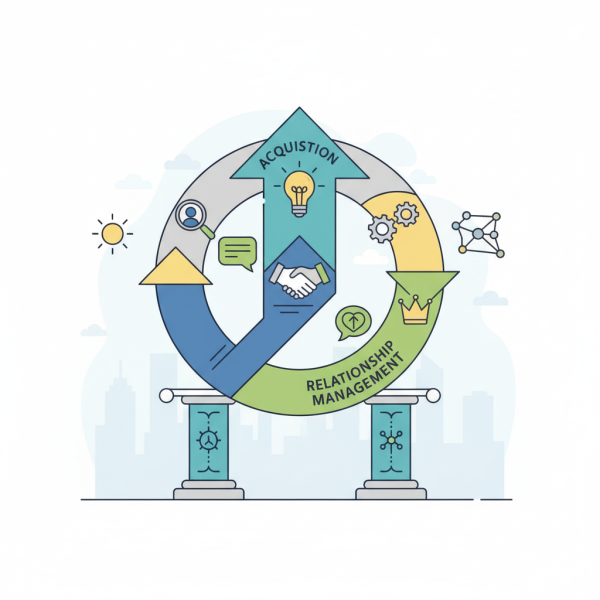
In the competitive landscape of modern business, the ability to consistently attract new clients and cultivate enduring relationships with existing ones is paramount to sustained success. Client acquisition and effective relationship management are not merely isolated tasks; they are interconnected pillars that underpin growth, stability, and profitability. This article delves into proven techniques for identifying and engaging prospective clients, crafting persuasive proposals that secure commitments, and implementing strategies to foster long-term loyalty that transforms clients into advocates.
The Foundation of Successful Client Acquisition
Before embarking on any acquisition efforts, a clear understanding of your ideal client is essential. This involves defining their demographics, psychographics, pain points, needs, and how your unique offerings provide solutions. A well-defined target audience allows for more focused and effective marketing efforts, reducing wasted resources and improving conversion rates.
Building a strong, credible brand presence is equally crucial. This encompasses a professional online presence, consistent messaging across all platforms, and establishing yourself as a thought leader in your industry. When potential clients perceive you as an expert and a reliable partner, they are more likely to consider your services.
Techniques for Attracting New Clients
Attracting new clients requires a multifaceted approach, combining traditional outreach with modern digital strategies. Here are some effective techniques:
- Networking and Referrals: Actively participate in industry events, conferences, and local business groups to build valuable connections. Cultivate strong relationships with current clients and partners, and politely ask for introductions to others who might benefit from your services. A satisfied client is your best salesperson.
- Content Marketing: Create valuable content such as blog posts, articles, case studies, videos, and webinars. This establishes your expertise, addresses common client questions, and helps potential clients discover your business organically, building trust even before direct engagement.
- Digital Advertising: Utilize search engine optimization (SEO), pay-per-click (PPC) campaigns, and targeted social media ads. By strategically targeting demographics and interests aligned with your ideal client profile, you can bring your message directly to those most likely to be interested.
- Partnerships and Collaborations: Align with complementary businesses to tap into new markets and leverage each other's client bases, creating mutually beneficial growth opportunities.
Crafting Compelling Proposals
Once you've attracted a potential client, the proposal stage is critical for converting interest into commitment. A compelling proposal is not just a price list; it's a persuasive document that articulates value and inspires confidence. The first step is always to thoroughly understand the client's specific needs, challenges, and objectives. This requires active listening and asking insightful questions during discovery meetings.
Your proposal should clearly articulate how your services will solve their problems and deliver tangible benefits. Focus on the value and return on investment (ROI) they will receive, rather than merely listing features. Quantify benefits whenever possible and include testimonials or case studies to demonstrate past successes.
Structure and presentation are key. A professional, well-organized proposal that is easy to read and understand will leave a strong impression. Use clear headings, bullet points, and visuals where appropriate. Avoid jargon and keep the language concise and client-centric.
Always include a clear call to action and outline the next steps. Make it easy for the client to move forward, whether it's scheduling a follow-up meeting, signing a contract, or clarifying terms. A strong closing reinforces your readiness to partner with them.
Fostering Long-Term Client Loyalty
Acquiring a new client is only half the battle; retaining them and fostering long-term loyalty is where true sustainable growth lies. Loyal clients provide recurring revenue, are less price-sensitive, and are a primary source of referrals. Consider these strategies:
- Exceptional Communication: Be responsive, provide regular updates, proactively manage expectations, and be transparent about progress or any potential challenges. A client who feels informed and heard is a satisfied client.
- Consistent Value Delivery: Consistently deliver exceptional value and high-quality work. Strive to exceed expectations rather than just meeting them. This builds trust and reinforces their decision to work with you.
- Proactive Problem Solving: When issues arise, address them swiftly, transparently, and with a solution-oriented mindset. Turning a negative experience into a positive resolution can significantly strengthen client relationships.
- Seeking and Acting on Feedback: Regularly seek feedback through surveys, informal check-ins, or formal review meetings. Actively implement suggestions to show clients that their opinions are valued and that you are committed to continuous improvement.
- Client Appreciation and Retention: Implement strategies like personalized thank-you notes, loyalty programs, special offers for long-term clients, or remembering key dates. Small gestures can significantly make clients feel valued and strengthen bonds.
- Ongoing Engagement: Even without an active project, share relevant industry insights, invite them to webinars, or simply check in periodically. This reinforces your role as a valuable resource and partner.
Summary
Mastering client acquisition and relationship management is critical for any thriving business. This article explored essential techniques for attracting new clients, emphasizing the importance of understanding your ideal client, building brand presence, and leveraging diverse strategies like networking, content marketing, and digital advertising. We then delved into crafting compelling proposals that effectively communicate value and secure commitments. Finally, we examined strategies for fostering long-term client loyalty through excellent communication, consistent value delivery, proactive problem-solving, feedback integration, and client appreciation, all contributing to a robust and sustainable business model.
Comprehension questions
 What are the foundational steps discussed for successful client acquisition before engaging in specific outreach techniques?Name three distinct techniques for attracting new clients mentioned in the article.According to the article, what are the key elements to focus on when crafting a compelling proposal to convert a lead into a client?What are some key strategies outlined for fostering long-term client loyalty beyond simply delivering quality work?
Review Quiz
Next Lesson

Course Contents : Business Management Guide for Construction Entrepreneurs
- >> 6.
 Relationship Management for Sustainable Growth