Optimizing Project Management
- -->> 7. Optimizing Project Management
What you'll learn
 Workflow OptimizationStrategic Resource AllocationProject Scheduling MasteryContinuous Improvement
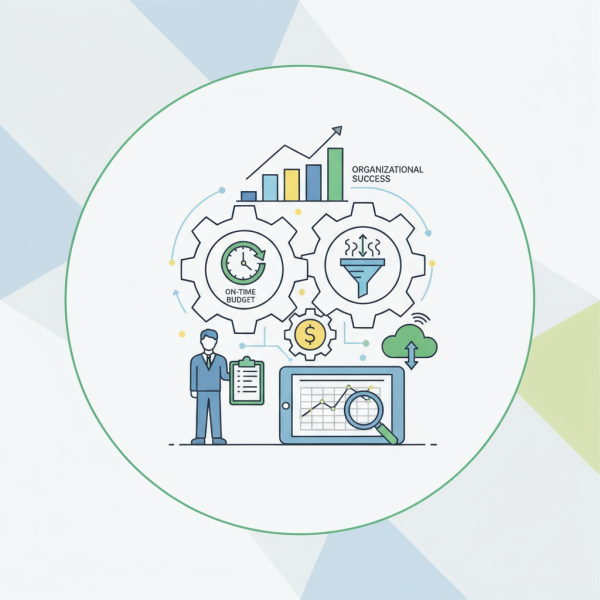
In today's fast-paced business environment, the ability to deliver projects on time and within budget is paramount for organizational success. Project management, at its core, is the application of processes, methods, skills, knowledge, and experience to achieve specific project objectives. However, merely managing a project is often not enough. To truly excel, organizations must integrate operational efficiency into every facet of their project management approach. This involves a deliberate focus on optimizing workflows, refining scheduling practices, and strategically allocating resources to eliminate waste, enhance productivity, and ensure successful project outcomes.
Understanding Operational Efficiency in Project Management
Operational efficiency in project management is about doing more with less – achieving the desired project results using the minimum necessary resources (time, money, people, materials) without compromising quality or scope. It's not just about cutting costs; it's about smart utilization, reducing redundancies, and fostering a lean project environment. This strategic mindset aims to create value for stakeholders by maximizing output and minimizing non-value-added activities throughout the project lifecycle.
Embracing operational efficiency means constantly seeking ways to improve processes, eliminate bottlenecks, and ensure every activity contributes directly to project goals. It requires a proactive approach to planning and execution, coupled with a robust system for monitoring and control. Ultimately, the goal is to transform project delivery from a series of reactive tasks into a streamlined, predictable, and highly effective operation.
Streamlining Workflow: The Foundation of Success
An optimized workflow is the backbone of efficient project management. It ensures that tasks flow logically and efficiently from one stage to the next, minimizing delays and confusion. Mapping out your current workflows is the first critical step to identify inefficiencies and areas for improvement. This visual representation helps uncover redundant steps, unnecessary approvals, and opportunities for automation.
Once identified, processes can be redesigned to be leaner and more effective. Clear, standardized operating procedures (SOPs) should be established for recurring tasks, providing a consistent framework for execution. Furthermore, fostering clear communication channels and defining roles and responsibilities precisely helps prevent miscommunications and ensures everyone understands their part in the larger project.
- Identify and map existing workflows to visualize the current state.
- Eliminate redundant steps, non-value-added activities, and bottlenecks.
- Standardize processes for common tasks to ensure consistency and quality.
- Automate repetitive tasks using technology whenever possible.
- Establish clear communication protocols and define roles and responsibilities.
Mastering Project Scheduling
Effective scheduling is crucial for delivering projects on time. It involves more than just listing tasks and assigning dates; it requires a realistic understanding of task dependencies, resource availability, and potential risks. Utilizing tools like Gantt charts or critical path method (CPM) helps in visualizing timelines and identifying critical activities that, if delayed, will impact the entire project schedule.
Building flexibility into schedules is also important. Unexpected issues can arise, and a rigid schedule can quickly lead to panic and missed deadlines. Agile methodologies, for instance, promote iterative development and allow for adaptive planning, enabling teams to respond quickly to changes without derailing the whole project. Regular progress monitoring and proactive adjustments are key to keeping the project on track and mitigating potential delays before they become significant problems.
Moreover, breaking down large tasks into smaller, manageable sub-tasks can make scheduling more accurate and less daunting. This granular approach allows for better estimation and provides clearer checkpoints for progress tracking. Transparent reporting of schedule adherence helps maintain accountability across the team.
Strategic Resource Allocation
Resource allocation involves assigning the right people, equipment, materials, and budget to the right tasks at the right time. Inefficient resource allocation can lead to project delays, cost overruns, and team burnout. The goal is to maximize the utilization of resources without overextending them.
This requires a comprehensive understanding of each resource's capabilities, availability, and cost. Project managers must balance workloads to prevent both under-utilization and over-allocation. Skill-based resource assignment ensures that tasks are performed by the most competent individuals, enhancing quality and efficiency. Regularly reviewing resource needs and adjusting allocations as the project evolves is vital for maintaining optimal performance.
- Assess available human, financial, and material resources comprehensively.
- Match team members' skills to specific task requirements for optimal performance.
- Balance workloads to prevent both under-utilization and over-allocation of resources.
- Monitor resource consumption and availability regularly, making adjustments as needed.
- Prioritize critical resources for high-priority tasks to ensure timely completion.
Leveraging Technology and Tools
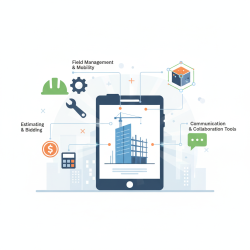
Modern project management is significantly enhanced by technology. Project management software platforms offer features for task tracking, scheduling, resource management, collaboration, and reporting, consolidating various functions into a single system. These tools provide real-time visibility into project status, helping managers make informed decisions quickly.
Beyond core PM software, automation tools can handle repetitive administrative tasks, freeing up team members to focus on more complex, value-added activities. Communication platforms facilitate seamless interaction among team members, stakeholders, and clients, ensuring everyone is aligned and informed. The right technological ecosystem can dramatically boost operational efficiency and project transparency.
Continuous Improvement and Adaptation
Operational efficiency is not a one-time achievement but a continuous journey. Organizations must foster a culture of continuous improvement where feedback is welcomed, lessons learned are documented, and processes are regularly reviewed and refined. Post-project reviews, also known as "lessons learned" sessions, are invaluable for identifying what worked well and what could be improved for future projects.
Agile principles, with their emphasis on iterative cycles and adaptability, are excellent frameworks for embedding continuous improvement. By encouraging experimentation, learning from failures, and quickly adapting to new information or changing circumstances, teams can steadily enhance their efficiency and effectiveness over time. This ongoing commitment to refinement ensures that project management practices remain robust and responsive to evolving business demands.
Summary
Optimizing project management through a focus on operational efficiency is critical for delivering successful projects. By strategically streamlining workflows, meticulously mastering project scheduling, and intelligently allocating resources, organizations can significantly enhance their ability to complete projects on time and within budget. Leveraging appropriate technology and fostering a culture of continuous improvement further solidifies these efficiencies, ensuring sustained success and adaptability in a dynamic project landscape. This holistic approach transforms how projects are managed, leading to higher productivity, reduced waste, and superior project outcomes.
Comprehension questions
 What is the primary goal of integrating operational efficiency into project management?What are the key steps involved in streamlining workflows for project success?Besides listing tasks, what essential elements contribute to mastering project scheduling?How does strategic resource allocation help prevent project delays and cost overruns?
Community Poll
Next Lesson

Course Contents : Business Management Guide for Construction Entrepreneurs
- >> 7.
 Optimizing Project Management