Essential Accounting and Tax Obligations
- -->> 4. Essential Accounting and Tax Obligations
What you'll learn
 Bookkeeping FundamentalsEffective Invoicing SystemsExpense Management StrategiesSmall Business Tax Compliance
For any small business owner, understanding and diligently managing essential accounting and tax obligations is not merely a legal requirement but a fundamental pillar for sustained growth and financial health. Navigating the intricate world of bookkeeping, invoicing, expense tracking, and tax compliance can seem daunting, but establishing robust systems from the outset is crucial. This article will demystify these core financial responsibilities, providing a foundational guide to help entrepreneurs maintain accurate records, optimize financial operations, and meet their tax commitments with confidence and efficiency.
Bookkeeping Basics for Small Businesses
Bookkeeping is the meticulous process of recording all financial transactions of a business. It forms the bedrock of your financial management, providing a clear picture of your company's income and outgoings. Accurate bookkeeping is vital for making informed business decisions, securing loans, and, most importantly, preparing for tax season.
The primary goal is to maintain a comprehensive and organized record of every financial event. This includes sales, purchases, payments received, and payments made. While traditionally done manually in ledgers, modern businesses often leverage accounting software for greater accuracy and automation. Key records typically include a general ledger, cash books, and purchase/sales journals.
Understanding the difference between single-entry and double-entry bookkeeping is also important. Single-entry is simpler, often suitable for very small businesses, but double-entry offers a more complete financial picture by recording every transaction in at least two accounts (debit and credit), ensuring the accounting equation (Assets = Liabilities + Equity) always balances.
Implementing Effective Invoicing Systems
Invoicing is how your business formally requests payment for goods or services provided. An efficient invoicing system ensures you get paid on time, maintain a professional image, and accurately track your receivables. A well-structured invoice typically includes specific information to avoid confusion and disputes.
Essential elements of an invoice:
- Your business name, address, and contact details
- Client's name, address, and contact details
- Unique invoice number
- Date of issue and due date for payment
- Detailed description of goods or services provided, including quantities and unit prices
- Total amount due
- Payment terms and methods accepted
Many businesses now utilize invoicing software or features within broader accounting platforms. These tools can automate invoice generation, send payment reminders, and integrate directly with your bookkeeping records, significantly streamlining the entire process and reducing errors. Consistent and timely invoicing is paramount for healthy cash flow.
Mastering Expense Tracking
Tracking business expenses diligently is crucial for several reasons: it provides an accurate view of your profitability, helps manage cash flow, and is indispensable for maximizing tax deductions. Every penny spent for business purposes should be recorded and categorized.
Start by separating personal and business finances entirely. This is a golden rule. Use a dedicated business bank account and credit card. For every business expense, collect and retain supporting documentation, such as receipts, invoices, and bank statements. Digital storage solutions are often preferred over physical paper files for ease of access and backup.
Common business expense categories include:
- Office supplies and rent
- Utilities
- Salaries and wages
- Marketing and advertising
- Travel and entertainment (subject to specific rules)
- Professional services (e.g., legal, accounting)
- Insurance premiums
Categorizing expenses correctly is not just for organizational purposes; it directly impacts how these expenses are reported on your tax returns. Accounting software can greatly simplify this process by allowing you to assign categories as transactions occur and generate detailed expense reports.
Navigating Small Business Tax Requirements
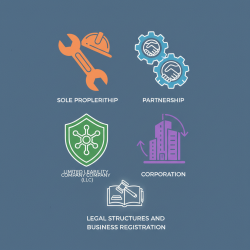
Understanding and complying with small business tax requirements is perhaps one of the most complex yet critical aspects of financial management. Tax obligations vary depending on your business structure (sole proprietorship, partnership, LLC, corporation) and location (federal, state, and local taxes).
Key types of taxes small businesses often encounter include:
- Income Tax: Businesses are taxed on their profits. Sole proprietors and partners report business income on their personal tax returns, while corporations file separate corporate tax returns.
- Self-Employment Tax: Sole proprietors and partners must pay Social Security and Medicare taxes through self-employment tax.
- Sales Tax: If your business sells taxable goods or services, you may be required to collect sales tax from customers and remit it to the appropriate state or local authorities.
- Payroll Taxes: If you have employees, you are responsible for withholding and remitting federal income tax, Social Security, and Medicare taxes, as well as state and local payroll taxes.
Adhering to tax deadlines is essential to avoid penalties. Many small businesses, especially those structured as sole proprietorships or partnerships, may need to pay estimated taxes quarterly. Consulting with a qualified tax professional or accountant can provide invaluable guidance, ensuring compliance and identifying potential deductions or credits specific to your industry.
Summary of Essential Financial Obligations
Effectively managing your small business requires a firm grasp of fundamental accounting and tax duties. This includes establishing robust bookkeeping practices to record all financial transactions, implementing an efficient invoicing system to ensure timely payments, and diligently tracking and categorizing all business expenses. Furthermore, understanding and fulfilling your federal, state, and local tax obligations, whether income, self-employment, sales, or payroll taxes, is paramount. By consistently applying these principles, small businesses can achieve greater financial clarity, operational efficiency, and long-term success, minimizing risks and maximizing profitability.
Comprehension questions
 What is the primary purpose of bookkeeping for a small business?What essential elements should be included in a well-structured invoice?Why is it crucial for small businesses to separate personal and business finances?Name three key types of taxes that small businesses commonly encounter.
Community Poll
Next Lesson
Course Contents : Business Management Guide for Construction Entrepreneurs
- >> 4.
 Essential Accounting and Tax Obligations